
Bradford Council is blaming the lengthy delivery times for the vehicles needed to introduce the service for the delay.
A new report into Bradford waste services estimates that around a third of local households will opt into the service when it is introduced.
If they do, it could improve Bradford’s poor recycling rates.
New recycling policies agreed in 2021
Members of the council’s Regeneration and Environment Scrutiny Committee will be given an update on food waste collections when they discuss the district’s waste services at a meeting on Tuesday.
In 2021, the Government agreed new recycling policies that would require all councils across the UK to provide weekly food waste collections for any households that want them.
Although many councils already offer such a service, Bradford Council is one that currently does not offer food waste collection.
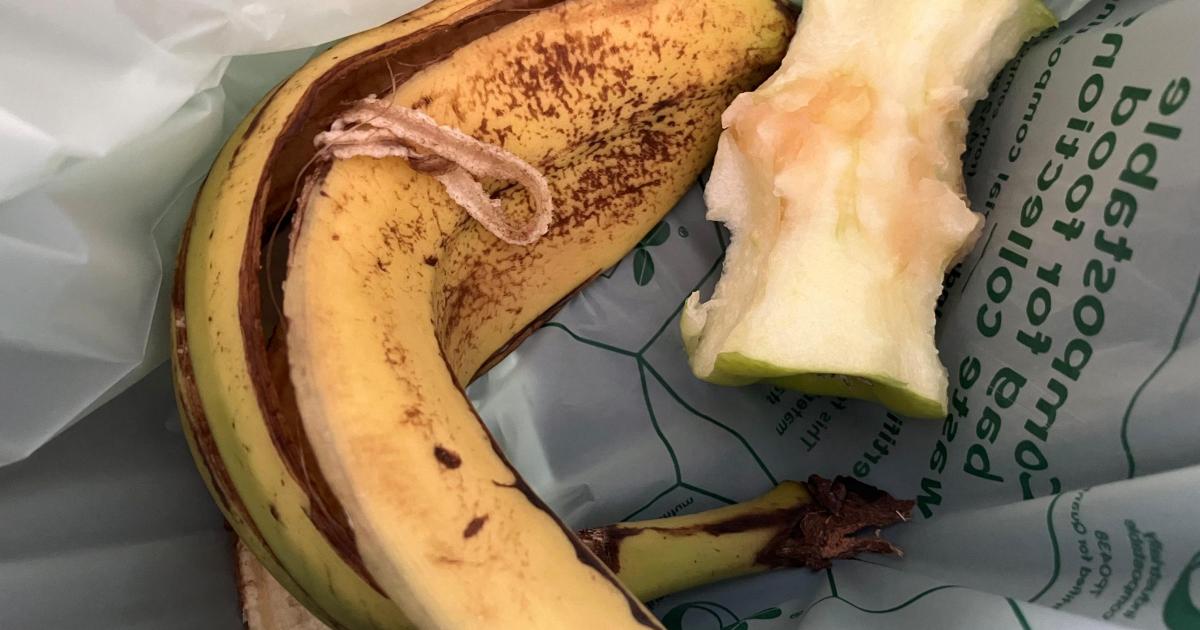
When it is rolled out, each household will be entitled to receive an internal five-litre caddy for the kitchen and an external 23 litre bin.
Collections not likely to start until September
Bradford Council has received £4.8m from Government to purchase 19 vehicles and tens of thousands of bins for the roll out.
A report to the meeting says the funding will also pay for project management, but not for staff and processing.
It says that the collections are not likely to start until September “based on current vehicle delivery times.”
The report adds “Analysis from other Local Authorities shows that only 30 per cent to 40 per cent of residents tend to present food waste at kerbside.
“Estimates for Bradford show that potentially, 9,300 tonnes of food waste will be presented by residents.
“Seventeen collection routes are planned, with vehicle delivery expected from April. 46 additional staff are required to run the service.”
Waste that can be collected includes:
Uneaten food and plate scrapings
Baked goods such as bread, cakes, and pastries
Dairy products, eggs and eggshells
Fruit and vegetables including raw and cooked vegetables and peelings
Out-of-date or mouldy food
Pet food
Raw and cooked meat or fish, including bones
Teabags and coffee grounds
Bradford recycling rate ‘one of lowest in the country’
The report says that Bradford’s current recycling rate – 32 per cent – is “one of the lowest in the country.”
One reason for this is the contamination of recycling bins, often with food waste.
The report adds: “Food waste collections, decreased kerbside contamination levels, better education for residents and compliance by residents will result in potentially large increases in the recycling rate and alignment with other local authorities.”