
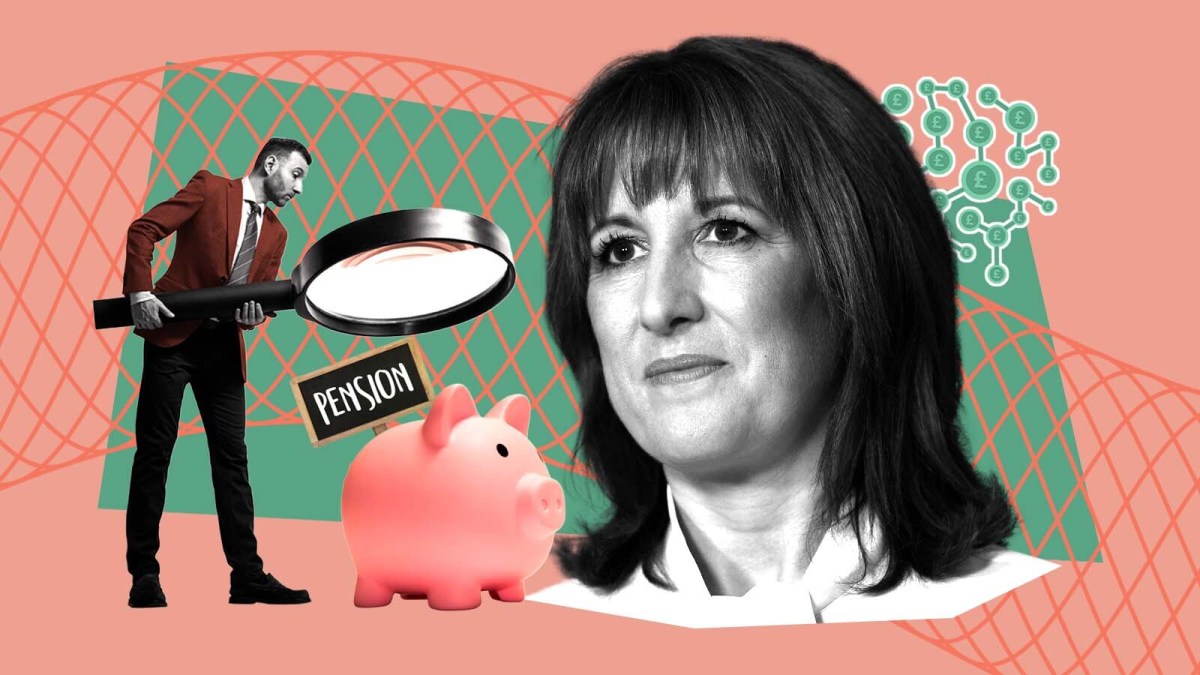
Britain’s biggest pension firms, wealth managers and two of its longest-serving pensions ministers are urging the chancellor to reverse her salary sacrifice raid in a win for The Times’s Smarter with Money campaign.
Rachel Reeves announced in November she would cap the amount a worker can pay into their pension tax-free at £2,000 a year. After that, contributions will incur national insurance. The move, which will come into effect in April 2029, is expected to raise £4.7 billion for the Treasury in its first year.
The Times is campaigning for this to be reversed as it risks undermining savers’ confidence in their pensions. We now have the backing of two former pensions ministers, Guy Opperman and Sir Steve Webb, as well as the Association of British Insurers, which represents 300 member companies that manage a combined £1.4 trillion.
Other major pension companies and wealth managers Standard Life, Fidelity International, Hargreaves Lansdown, Netwealth, Shackleton, St James’s Place, Rathbones and Quilter have also pledged their support.
Opperman, the former Conservative MP who was pensions minister between June 2017 and September 2022, said: “The change to salary sacrifice is an ill-thought-through policy done primarily to satisfy the Office for Budget Responsibility. It will obviously impact saving, and there will be a negative long-term effect on people’s savings and pensions.”
• How much will the salary sacrifice pensions raid cost you? Use our calculator
Mike Ambery from Standard Life — part of the UK’s largest pensions company, Phoenix Group, which has £295 billion in assets under administration — said: “Retirement savings levels in the UK are a way off where they need to be and employers and workplace pensions are central to addressing this challenge.
“Capping salary sacrifice will create an invidious choice, either millions of employees will have to stump up more to maintain their pension contributions or employers will need to step in and offset the cost. We need to be increasing levels of pension saving, not making it more expensive.”
Salary sacrifice allows workers to give up part of their gross salary in exchange for benefits, notably pension contributions. The money comes out of pay before it is subject to income tax or national insurance. Employees can pay up to £60,000 a year into their pension scheme this way. The Treasury estimates 3.3 million people sacrifice more than £2,000 per year.
Reeves’s changes mean a worker who earns £52,000 a year and makes 10 per cent employee contributions into their pension using salary sacrifice will pay an extra £256 a year in national insurance, according to calculations by the consultancy, LCP.
• The seven apps that will help you invest
The government is in the middle of a review into pension saving and there are worries that millions could be on track for poverty in retirement. In July, the pensions commission reported “stark findings” that 45 per cent of adults were saving nothing for retirement.
Liz Kendall, then the work and pensions secretary, said the commission would aim “to tackle the barriers that stop too many saving”.
Mark FitzPatrick, the chief executive of St James’s Place, Britain’s largest wealth manager with £220 billion under management, said: “Any change affecting pensions needs real caution, because it risks unsettling confidence in one of the most effective and established long‑term savings vehicles. Millions already face uncertain or insufficient income in retirement, and tightening the rules around salary sacrifice risks making pension saving feel more complicated and less appealing at a time when simplicity matters most.
• Visit Times Money for personal finance news, guides and expert columnists
“We would welcome a rethink on salary sacrifice, recognising that the government ultimately has a difficult fiscal balancing act to manage.”
Sir Steve Webb, the former Liberal Democrat MP and the pensions minister between May 2010 and May 2015, said: “Employers will not simply swallow this multibillion-pound tax rise. Instead, they will squeeze pay rises and the generosity of workplace pensions, and this will affect everyone in a workplace that uses salary sacrifice.”
The OBR, the government fiscal watchdog, said that all 7.7 million pension savers who use salary sacrifice, even if they do not pay in more than £2,000, could be affected by the policy depending on how businesses responded to the cap.
• Our five-point plan to make you better off
Polling by the ABI and by the Reward and Employee Benefits Association has also suggested that the changes could lead to more savers paying less into their pension, and employers that make higher pension contributions than they have to would consider reducing them.
A spokesman for the Treasury said: “Salary sacrifice costs were set to treble to £8 billion as high earners piled in huge bonuses without paying a penny in tax — a taxpayer‑funded perk largely benefiting the better off.
“Our fair reforms protect 95 per cent of workers earning under £30,000 who use salary sacrifice and simply bring salary sacrifice above £2,000 into line with other pension contributions — with only those making the very largest pension contributions affected.”