

The need for Manchester United to qualify for the Champions League has been underlined by the revelation that they owe other clubs £422million in transfer fee instalments, £238million of which is due within one year.
The club’s full accounts for the second quarter of the year were published on Thursday night and even though United made an operating profit of £32.6million for the six months to December 31, 2025, they owe almost £1.3billion — a large chunk of which is due to their rivals.
United, like most clubs, often stagger transfer fee payments. The £36.5million they paid Bologna for Joshua Zirkzee in 2024, for example, was spread over three years.
Of the money owed to clubs, almost half (£238million) is due to leave their accounts over the course of the next 12 months, which is why qualifying for the Champions League is so important for the club from a financial perspective.
United would earn at least £100million for qualifying for the league phase. They have not played in the competition since the 2023-24 season when, led by Erik ten Hag, they finished bottom of their four-team group under the previous format.
United recruited well last season. Senne Lammens, Matheus Cunha, Bryan Mbeumo and Benjamin Sesko, who cost a combined total of more than £200million, have performed impressively, but United will need to add at least three more players to their squad this summer, with central midfield the priority. They also need a back-up goalkeeper, a full back and possibly a striker.
They would need to recruit a centre back if Harry Maguire left, but all sides are hopeful that the 32-year-old’s contract will be extended beyond the end of the season.
Maguire looked to be on his way out of United after Ten Hag stripped him of the captaincy in the summer of 2023, but the centre back stayed at the club, won back his place and is now in such good form that he has put himself in contention for an England recall. He won the most recent of his 64 caps in September 2024.
When asked if Maguire was playing some of the best football of his career, Michael Carrick, the interim head coach, said: “There’s a case [to say that]. I think we’ve seen that with Harry’s performances of late, what he’s brought to the team.”
Cost of sacking Amorim could reach £16m
On Thursday it was revealed that United could end up paying almost £16million in compensation to Ruben Amorim and his coaching staff after their dismissal last month.
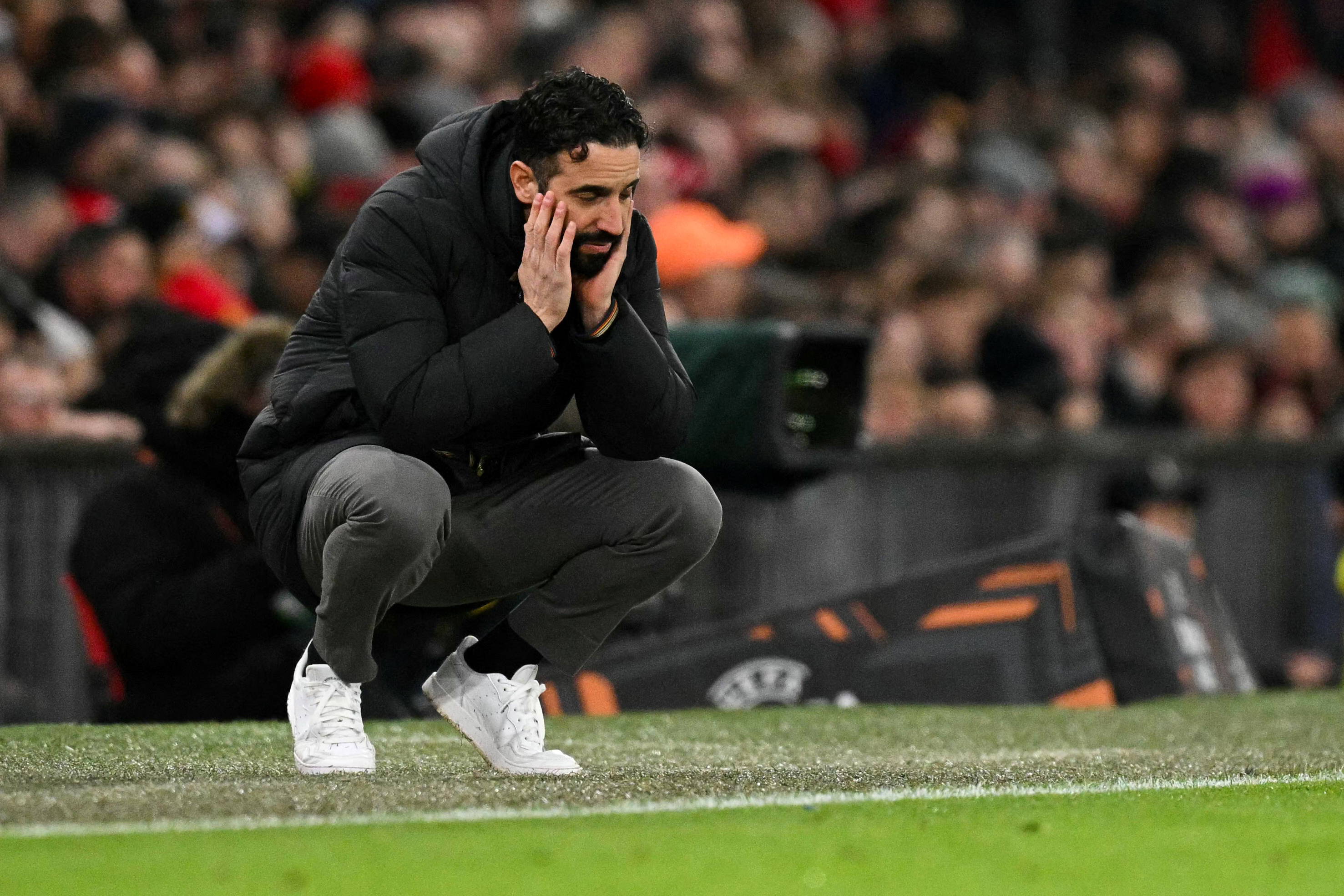
Amorim was dismissed in January after falling out with Wilcox, the director of football
OLI SCARFF/AFP
The accounts showed that a deduction of up to £15.9million would be taken from the club’s coffers in the second half of the season to account for Amorim’s sacking and the removal of the five coaches that he brought with him from Sporting Lisbon when he took charge at Old Trafford in November 2024.
That is the maximum amount United could have to pay Amorim and is dependent on certain factors, such as whether he gets a new job within a specific time frame.
The accounts showed that United have also paid Sporting Lisbon £6.3million, which is what they owed the Portuguese club in compensation for hiring Amorim.
Considering that it cost United £14.5million to dismiss Amorim’s predecessor Erik ten Hag and his staff, plus former director of football Dan Ashworth, the club could end up spending more than £30million on the sacking of two managers and a senior executive in a 15-month period.
United sacked Amorim last month after he had a blistering row with the present director of football, Jason Wilcox, who was unhappy with the team’s direction of travel.
The club thought that United were in serious danger of failing to qualify for Europe, but since Carrick’s appointment on a short-term contract, the team have gone on a six-match unbeaten run and now sit fourth in the Premier League table, three points above Liverpool and Chelsea, who are fifth and sixth position respectively.
United highest in world for net spend
United’s net spending on transfers has been the highest in the world over the past five years, a Uefa financial report has revealed (Martyn Ziegler writes).
The level of spending underlines the scale of United’s underperformance from the start of 2021 to the end of 2025. Uefa’s club licensing benchmarking report says that United’s net spending on transfers over that five-year period was €794million (£692million), followed by Chelsea on £656million and Arsenal’s £587million.
Chelsea were by far the biggest gross spenders on transfers — they spent £1.93billion, about 56 per cent more than the next highest spenders Manchester City who splashed out £1.23billion. Chelsea, however, made the most money from transfer income of £711million, followed by City on £666million.
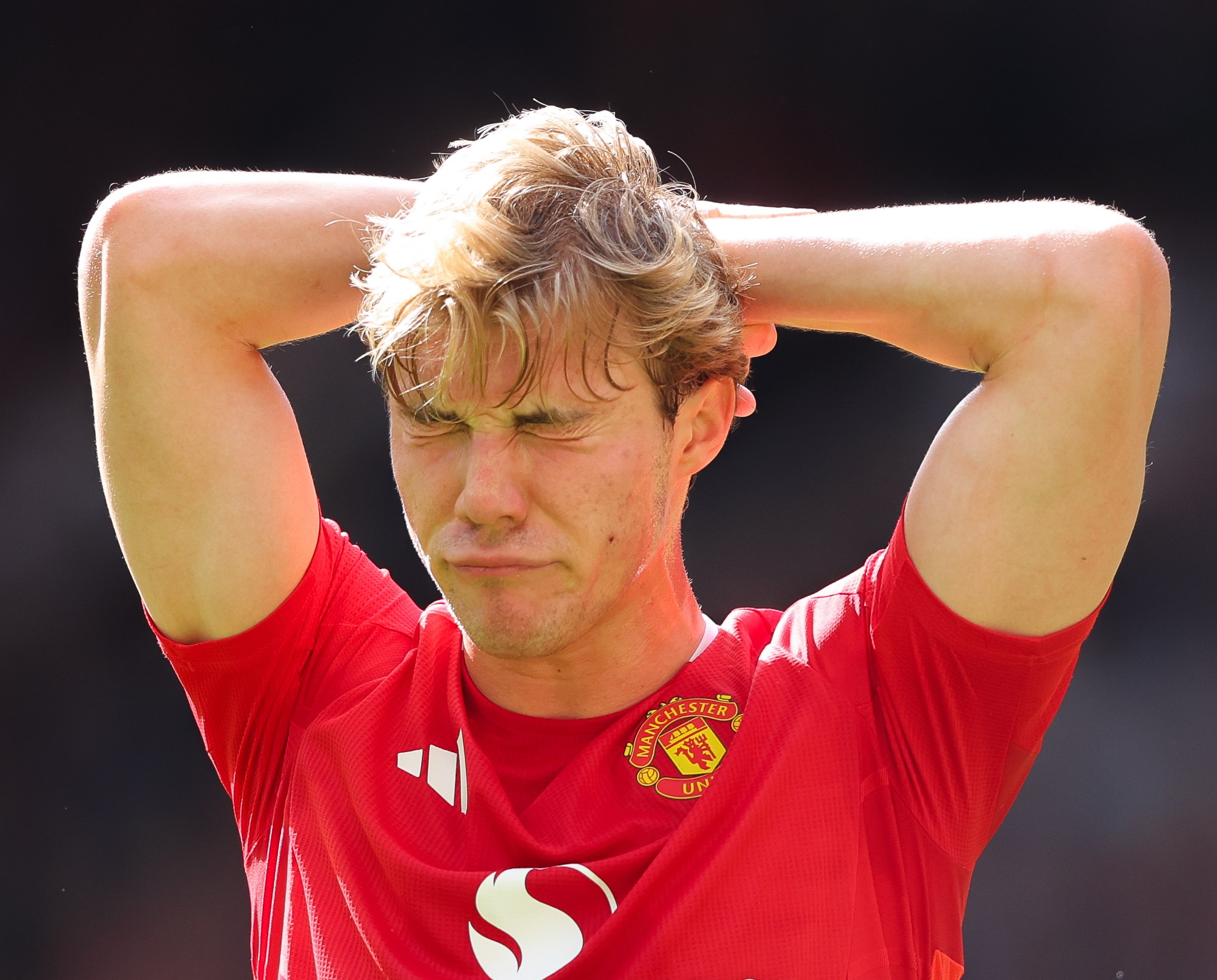
Rasmus Hojlund, now on loan at Napoli, failed to make an impact after joining United for £64million in July 2023
JAMES GILL – DANEHOUSE/GETTY IMAGES
The report illustrates the financial dominance of the Premier League compared with the rest of Europe, and it appears the gap is growing.
“The high level of spending compared with non-English clubs is evident, with the Premier League hosting seven of the top ten most expensive playing squads by transfer fee assembled at the end of the 2025 financial year,” the report says.
“Chelsea FC’s playing squad at the end of the club’s 2025 financial year was officially the most expensive ever assembled, with a combined transfer cost of €1,746million, up €90million on the record set by the club last year.”
That surpassed the value of the Real Madrid squad of 2020, which cost about £1.13billion, and the Uefa report says TV revenues continued to be the greatest polarising factor. Premier League clubs earned £1.3billion more in TV money in 2024 compared to 2014 — similar to the TV revenue increase of the rest of the top 53 European leagues combined.
The report adds: “The increase in TV revenue among English Premier League clubs in 2025-26 is set to be more than double the combined increases communicated elsewhere in Europe.”
The financial gap between the elite clubs and other teams in England’s top flight is much smaller than in Spain’s La Liga, however. In terms of commercial revenue, the top club in England earned nine times the amount of the middle club in the league, while in Spain it was 36 times as much.