
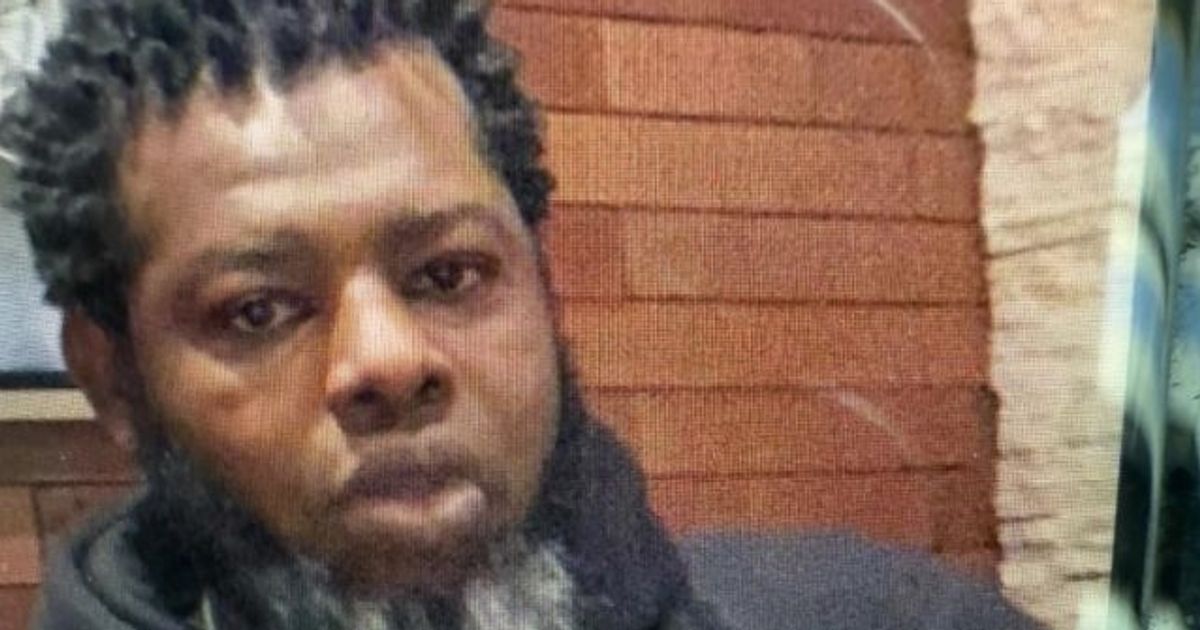
The healthcare worker was one of 370 people offered the test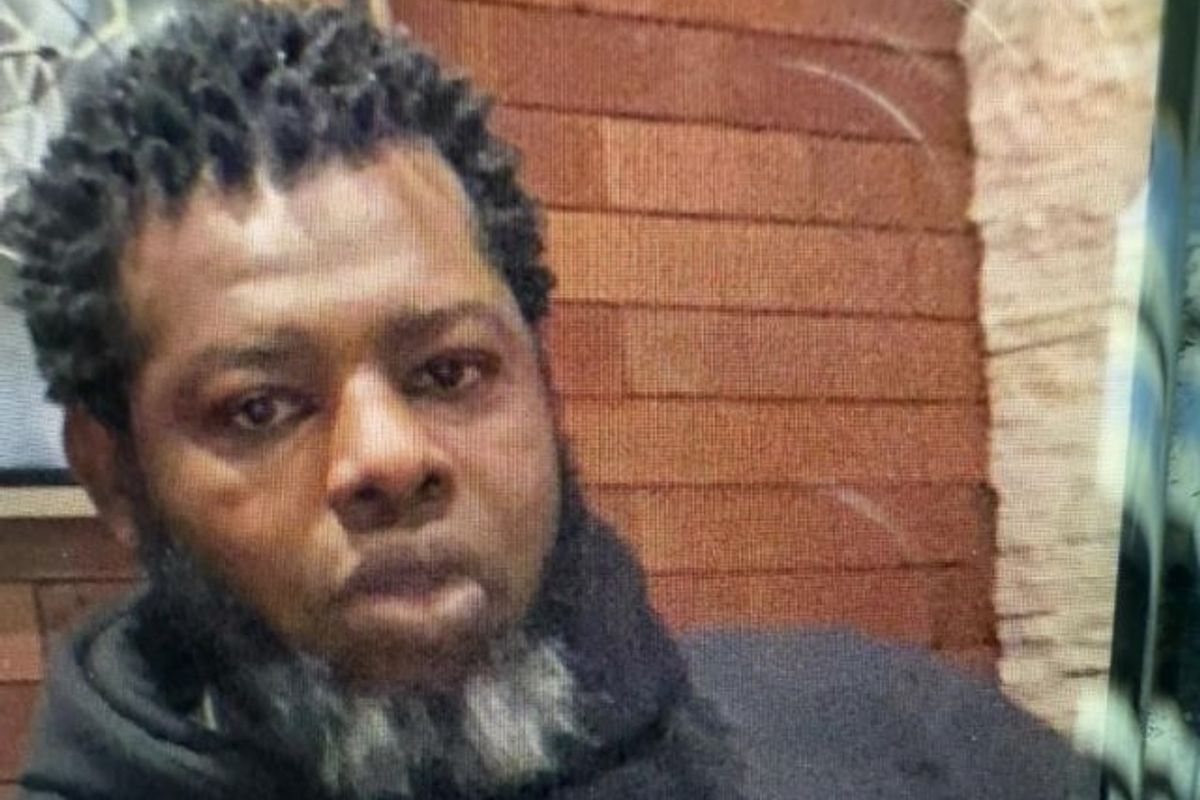
Osazuwa Igbinidu passed away from tuberculosis in the Royal Stoke Hospital last year.
NHS officials screened 340 people for TB after a Stoke-on-Trent healthcare worker sparked an outbreak. UK Health Security Agency (UKHSA) contacted 370 individuals who had been in contact with the man.
But 30 of them – including healthcare worker Osazuwa Igbinidu – did not come forward to be tested. Seven months later, 39-year-old Osazuwa was dead.
Now an inquest has ruled that the dad-of-four had non-contagious TB when he passed away at the Royal Stoke University Hospital in March 2025.
An inquest heard Osazuwa had come to the UK with his wife and four children from Nigeria on a work visa in 2023. He was living in Louise Street, Burslem, and had worked one shift with the TB-carrier.
Widow Sharon told the inquest: “For me TB has a stigma. People want to work and they have to work for their families so some people won’t come for the testing. He sent a voice note to his brother in his dialect saying he went for many tests in Nigeria, so that’s why he didn’t have it. He did have a cough and I felt he needed home visitations to help him understand the severity of TB. That would have helped him because he didn’t want to be stigmatised and he didn’t know the aftermath of it.
“What if he had active TB and coughed on a child when he took the children to school? That wouldn’t have been fair and he wasn’t properly educated about it. He needed to know this is actually serious. It’s a heartbreaking situation for us because he came to this country with four children for a better future. Whilst in critical care he felt cold and he was in pain and it was quite distressing for us. We just want closure.”
It is almost impossible that Osazuwa could have contracted TB from his colleague. It is most likely that Osazuwa already had underlying TB that could have been triggered by his move to a new country.
UKHSA health protection consultatant Angela Cartwright said: “All cases of TB bacteria in the UK go under a process where we can get a genetic fingerprint of that bacteria. That allows us to determine whether two people with TB is exactly the same – genetically, does it match? It doesn’t enable us to see who passed the TB onto who, but we can see that it’s transferred between two people. But the care worker at the care home and Mr Igbinidu were not genetically related in any way so their cases were independent of each other and had not been transferred between the two. Mr Igbinidu’s sample was unique, there are no other cases in the UK with the same genetics as Mr Igbinidu’s.
“I can’t say with 100 per cent certainty where Mr Igbinidu picked it up from, but our process is pretty reliable and I believe he contracted it from outside the UK and it was latent, but became active in 2024 and made him unwell. That is the most likely cause. If he had caught it in the UK that person would have had active TB in his lungs or throat and they would have presented to healthcare, so based on probabilities, it’s unlikely he would have caught it in the UK.
“In Nigeria there are 219 active cases of TB in every 100,000 people, so very high, whereas there are just eight cases in every 100,000 people in the UK. When other care workers were made aware they had active TB, they were asked to stop working and they did so due to the risk of ongoing transmission which was stopped until they were told they no longer had TB and could go back into a work setting.”
Osazuwa was diagnosed with TB in December 2024 when admitted to the Royal Stoke. He was discharged on TB medication and steroids in January 2025, readmitted in February 2025, and passed away on March 16, 2025 in Royal Stoke critical care.
A jury has ruled Osazuwa’s cause of death was multiple organ failure caused by disseminated TB. They ruled the death was natural causes.
Ensure our latest headlines always appear at the top of your Google Search
Get daily headlines and breaking news emailed to you – it’s FREE