
Home » EUROPE » Bembridge Fort: The Victorian Stronghold Reborn as the United Kingdom’s Newest Subterranean Cultural Icon
Published on
March 1, 2026
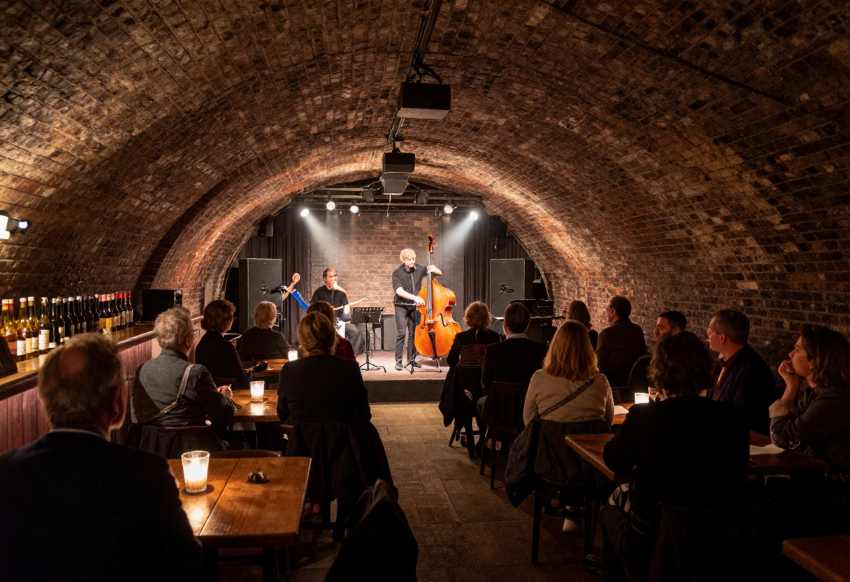
Image generated with Ai
A quiet revolution is taking place beneath the chalk downs of the Isle of Wight, where the formidable Bembridge Fort is being reimagined as a premier cultural destination. Just fifteen months after a dedicated charitable trust took over the stewardship of this Palmerston-era stronghold, the site is quickly transforming from a weathered relic to a vibrant heritage landmark. Originally built between 1863 and 1867 to defend Sandown Bay against a perceived French threat, the fortress is now used as a venue for the arts, history, and community involvement.
The Bembridge Fort Trust is spearheading the restoration efforts, having worked tirelessly to breathe new life into the vaulted stone corridors. This transformation is both structural and cultural, with the fort now positioned as one of the region’s most distinctive venues. Through a combination of architectural preservation and creative programming, the site is being prepared to serve the public for another 150 years.
The 1867 Bar: Culture Below the Surface
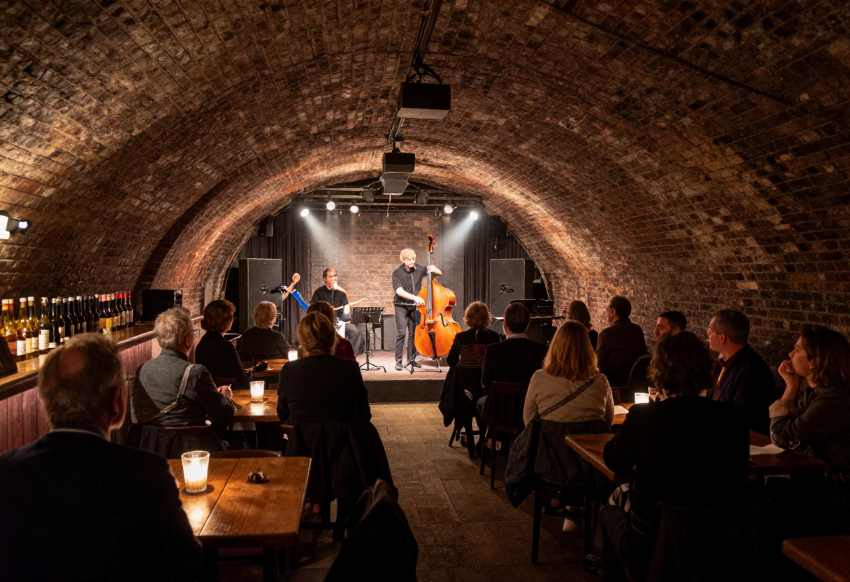
Perhaps the most evocative element of this revitalization is the creation of ‘The 1867 Bar’, an atmospheric underground theatre and lounge. This space was formerly utilized as a Victorian gunpowder magazine, but it has since been meticulously carved out to accommodate a 70-seat venue. The low-lit, vaulted architecture is frequently praised for its exceptional acoustics, providing a unique backdrop for a variety of high-calibre performances.
A reputation for excellence is being established by this subterranean hub, particularly within the realms of jazz and immersive drama. Sold-out audiences are regularly hosted within these brick-lined walls, where the ambiance of a historic speakeasy is successfully evoked. Currently, a diverse schedule is being managed by organizers Dan and Verity, including the upcoming ‘Discovery of Witchcraft’ by Greg Chapman—a production where history, comedy, and magic are seamlessly intertwined. Furthermore, a 1940s-themed live murder mystery titled ‘Murder in the Fort’ has been developed, ensuring that every attendee is integrated into the unfolding narrative.
Securing the Foundations: Restoration and Funding
The physical integrity of the fortress is being bolstered by a significant financial injection. At the conclusion of last year, a grant of £250,000 was secured from The National Lottery Heritage Fund. These funds, supplemented by local fundraising initiatives, are being directed toward essential structural repairs. The primary focus is placed on mitigating decades of deterioration, tackling water ingress, and safeguarding rare internal features that have long been threatened by the elements.
While progress was temporarily hindered by exceptionally poor weather conditions earlier in the year, the restoration work is due to be restarted imminently. Planning approvals have been finalized, and contractors have been appointed to begin the next phase of the project. Once the structural safety of the buildings is ensured, areas such as the original officers’ quarters and the central parade ground are expected to be reopened for educational and community use. These spaces, which remained locked or too fragile for public access for many years, are finally being reclaimed for the benefit of the island.
Advertisement
Advertisement
Unearthing Forgotten Narratives
Beyond the physical brick-and-mortar repairs, a deep intellectual dive into the fort’s past is being conducted. An additional £10,000 grant has been awarded by the National Lottery to support a research initiative titled ‘Forgotten People, Lost Technologies’. This project is designed to explore the human stories and technological advancements associated with the fort and its neighbouring defences, such as the Yaverland Battery.
The lives of over 55 individuals who served at the site across its 150-year history have already been identified by researchers. These findings are being used to form a ‘living archive’, which will eventually be showcased through new exhibitions and online platforms. Advanced technology, including AI-driven interpretation, is being planned to make these historical accounts accessible to a global audience.
One of the most compelling discoveries involves the fort’s role during the Second World War. It has been revealed that the site served as a vital testbed for prototype radar systems during the Battle of Britain. Remarkably, the work of a radar pioneer stationed at the fort was later found to have significantly influenced the evolution of modern computing.
A Community-Driven Future
A dedicated volunteer team is keeping the Bembridge Fort project moving forward. This group of architects, engineers, and local history enthusiasts is credited with completing the monumental task of transforming a once-vandalized relic into a communal gathering place. As the 2026 season approaches, additional volunteers are being sought to fill positions ranging from tour guides to event supporters.
As the weather improves, a workshop for new guides is being planned in anticipation of the upcoming tourist season. Public tours are expected to begin in May, with a special highlight scheduled for the Isle of Wight Walking Festival. Local residents are also encouraged to share their own family stories, photographs, and memorabilia to help complete the East Wight’s historical tapestry.
What was once described as the community’s “blank canvas” is now being filled with music, academic research, and restoration activity. Bembridge Fort is no longer just a silent sentinel from the Victorian era; it is being transformed into a living, breathing hub of island culture.
