
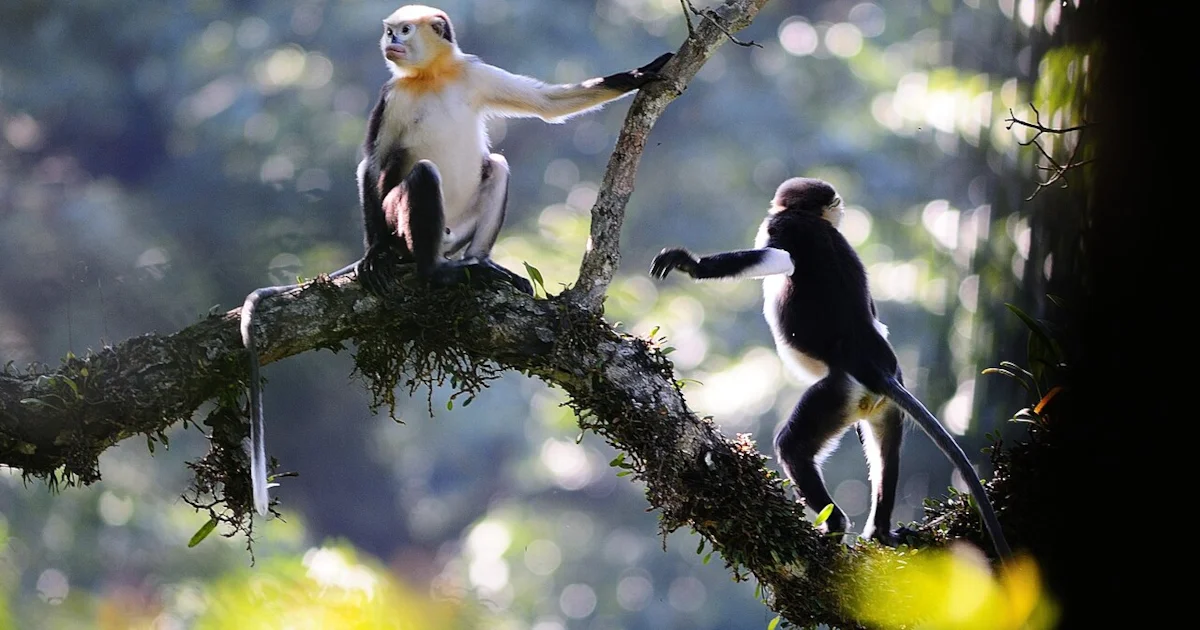
Tonkin Snub-nosed Monkey, one of the world’s rarest primates, has shown a marked rebound in population in northern Vietnam.
Long believed to be on the brink of extinction, the elusive Rhinopithecus was rediscovered in the late 20th century after decades without confirmed sightings. Historically, numbers plummeted due to hunting, habitat loss and fragmentation, and by the early 2000s fewer than 250 individuals were estimated to remain.
Recent field surveys in the Khau Ca Species and Habitat Conservation Area in Ha Giang province, conducted by conservation organisations, have identified at least 113-121 individuals – the highest count recorded at this site since monitoring began.
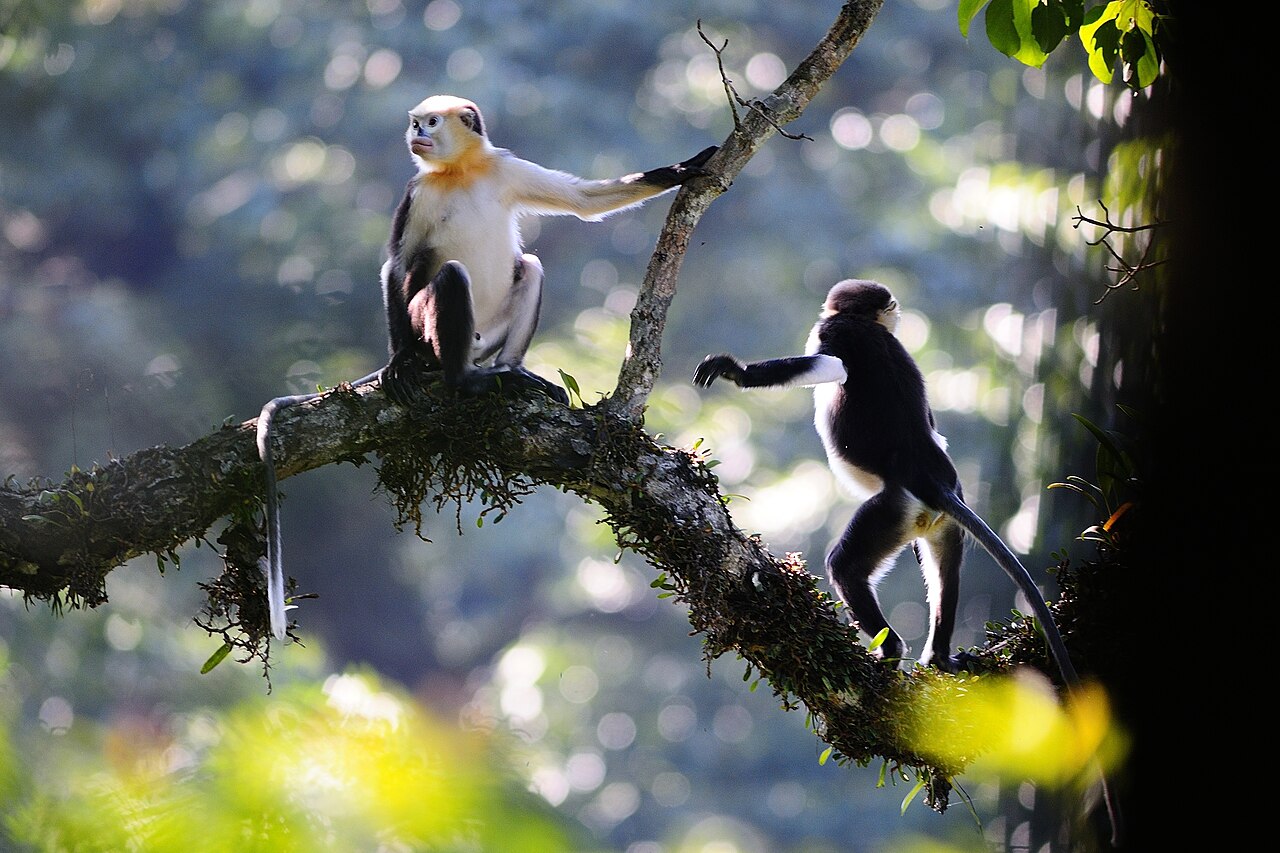
First described in 1912, Tonkin Snub-nosed Monkey was rediscovered in 1989 but is exceedingly rare. It is endemic to northern Vietnam (Quyet Le).
Snub-nosed stronghold
The area is now recognised as the largest known stronghold for the species, which is endemic to northern Vietnam and categorised as Critically Endangered on the IUCN Red List.
Conservationists attribute the population uptick to improved protection measures, including legal safeguarding of habitats, community awareness programmes and regular monitoring, which have reduced hunting pressure – historically a major driver of decline. Reports from Fauna and Flora International note that there is currently no evidence of trapping or hunting in the region that was once a significant threat to the primates.
Tonkin Snub-nosed Monkey’s distinctive appearance – with a upturned pink nose and patches of blue skin around the eyes – and its arboreal lifestyle in limestone forest fragments make it both iconic and vulnerable.
Although the overall global population remains small and recovery is fragile, the latest count represents a rare piece of good news for a species that has long been emblematic of the challenges facing Asia’s primates. Continued habitat protection and anti-poaching efforts will be vital if the momentum of recent years is to be sustained.