
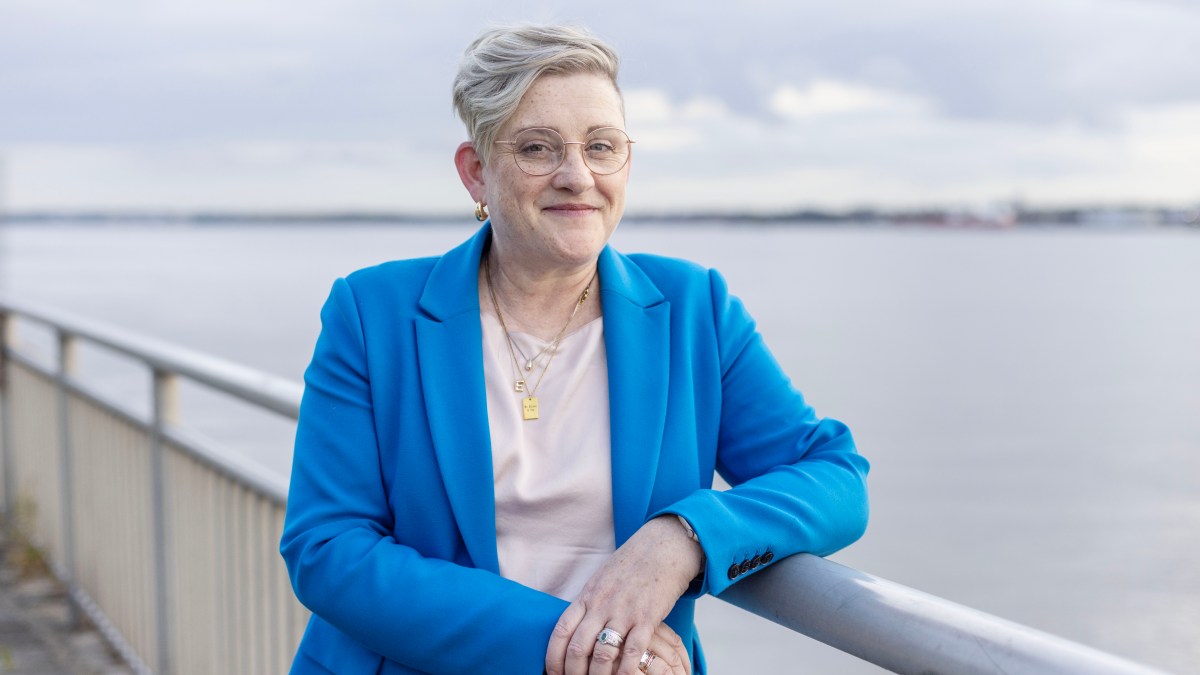
A health minister is standing down from her role in government after being diagnosed with incurable breast cancer amid concerns that she will become too sick to fulfil “any of the roles I love” if she continues.
Ashley Dalton, 53, is standing down as minister for public health and prevention after being diagnosed with incurable metastatic breast cancer. However, she wants to continue in her role as the MP for West Lancashire because her work is “central” to her identity.
Writing in The Times, she said: “I have to consider what reasonable adjustments I might make. Before being made a government minister, I was elected by the people of West Lancashire to represent them as their MP. My priority has to be to do that job.
• NHS cancer plan expects to save 75% of sufferers
“But to continue to serve my constituents as they deserve, whilst adequately managing the side effects of chemo as well as caring for my elderly mum, I must make reasonable adjustments to my workload. The alternative would likely be more regular trips to Liverpool Aintree, making myself sick and unable to fulfil any of the roles I love.”
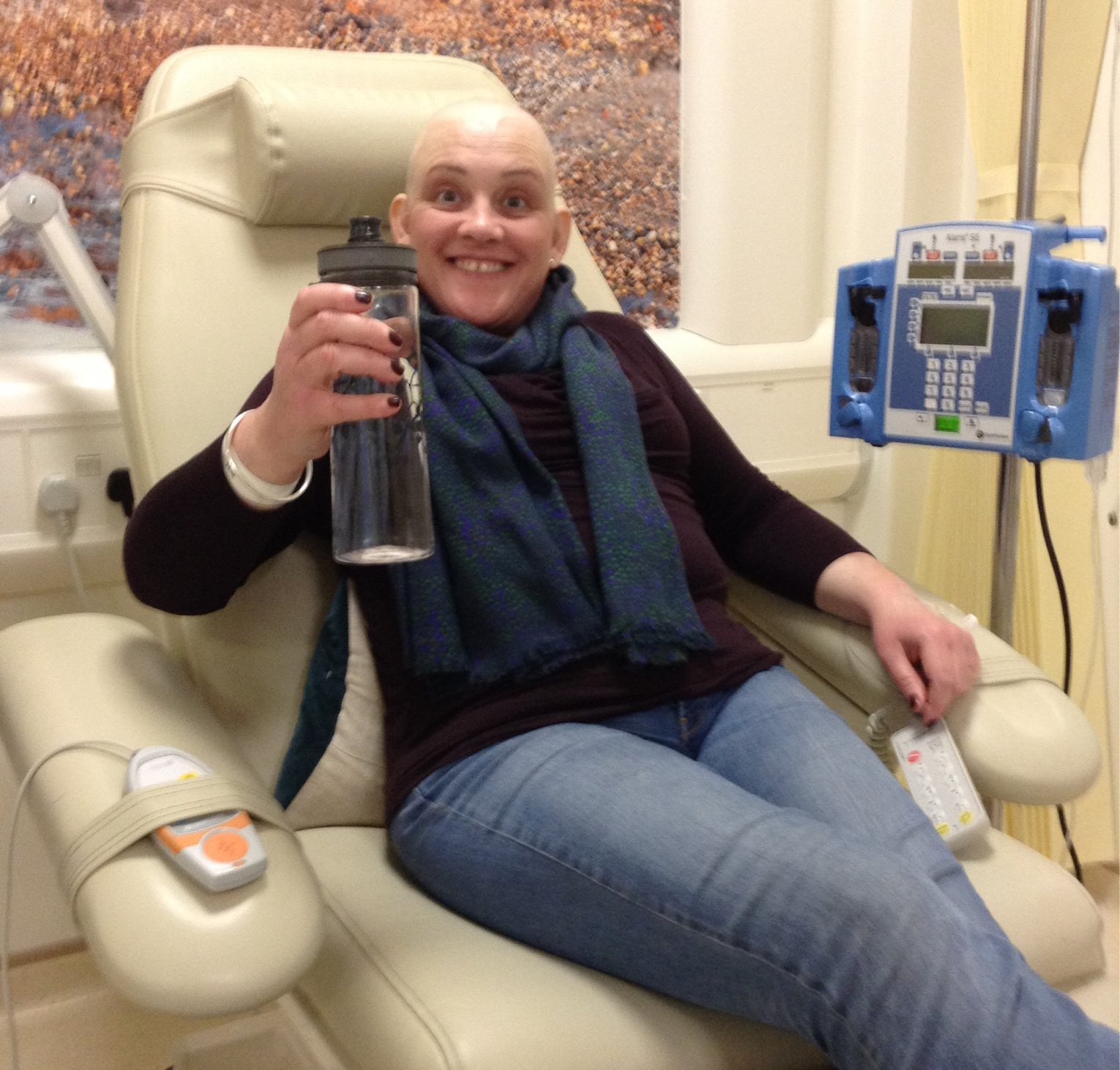
Dalton undergoing treatment in July 2014
She said that while the doctors said she would be entitled to give up work entirely and claim benefits, she has decided not to do so. “Upon being diagnosed with metastatic, sometimes called advanced, or stage 4 cancer, I was told not to worry because support was available for me to access benefits and to give up work,” she said.
“For some people, giving up work and accessing support from the state is absolutely the right choice. But just as cancer is not homogeneous, neither are we people living with cancer.”
The biggest mistake anyone could make is to write me off
Last month I was on my feet at the despatch box presenting the government’s National Cancer Plan (writes Ashley Dalton). It was an immense privilege and one I made every attempt to savour. Because, unknown to MPs sat in the House that afternoon, I had just decided to stand down from my ministerial duties.
The days that followed vindicated that decision. Saturday and Sunday saw me sat at Aintree University Hospital, IV drip hanging from my arm, blood tests, ECG and a chest x-ray, praying I wouldn’t need to be admitted. Because when I stood in the chamber to deliver a statement on the Cancer Plan, I wasn’t just doing so as a minister, I was on my feet as a cancer patient. I have metastatic breast cancer.
Everyone’s cancer story is different. Cancer is not a homogeneous disease. It appears in different ways at different times and with different outcomes. And so many misconceptions exist about cancer.
I am currently undergoing chemotherapy treatment. The mention of chemotherapy usually conjures up a mental image of someone sat with a drip in their arm, in hospital, bald. For many types of chemo that is the reality.
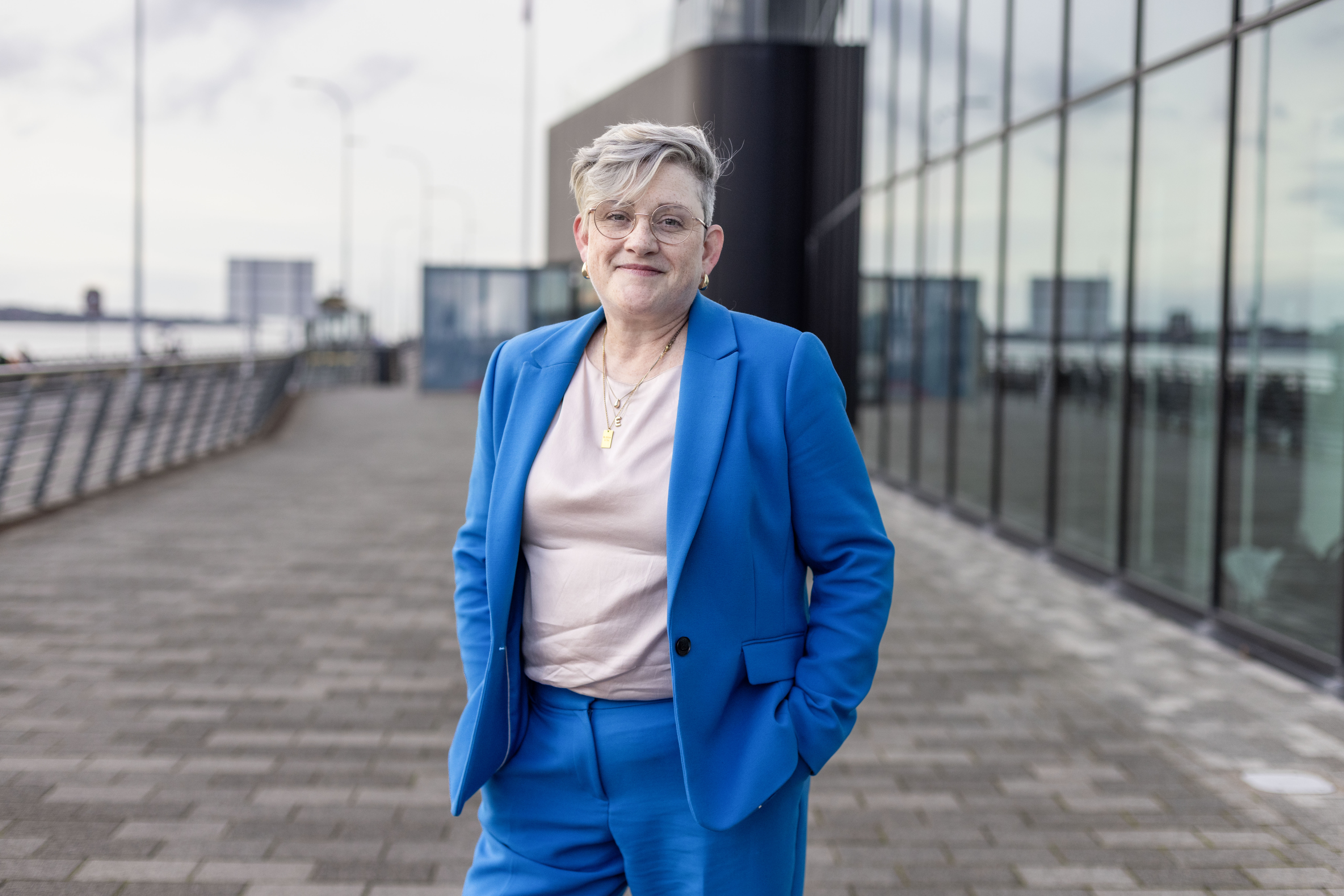
Dalton, 53, recently launched the government’s National Cancer Plan
TIMES PHOTOGRAPHER JACK HILL
But, for now at least, my treatment isn’t like that. You likely wouldn’t be able to guess I am undergoing major medical intervention as I stand in front of you. I take five tablets twice a day for two weeks, with a week of rest as part of a three-week cycle.
And, at present, my disease is stable. Having said that, metastatic breast cancer is incurable. I will never beat it. In fact, when people ask when I will know I’ve beaten my cancer, I tell them “when I’ve died of something else!”
But the biggest mistake anyone could make about me and my cancer is to write me off. Upon being diagnosed with metastatic, sometimes called advanced, or stage 4 cancer, I was told not to worry because support was available for me to access benefits and to give up work. For some people, giving up work and accessing support from the state is absolutely the right choice. But just as cancer is not homogeneous, neither are we people living with cancer.
• NHS could start prostate cancer screening — which men are eligible?
And that’s what my focus in writing the government’s National Cancer Plan has been all about. Beyond the incredible delivery of the fastest rate of improvement in health outcomes for cancer patients in a century, and the implementation of an ambitious and world-leading plan that seeks to save 320,000 lives over its course, what I’m so proud of is the support the plan gives to people living with cancer not just to survive, but to live, and to live well. To work, to have a family, to thrive. To exist beyond the diagnosis.
I’m incredibly grateful and incredibly fortunate that through my work as an MP and having been entrusted by the prime minister to serve in his government, I have been able to thrive despite my disease.
In 12 months, I have led the work on three major plans: the HIV Action Plan, the Men’s Health Strategy, and the National Cancer Plan. These aren’t just words on paper; they will make real and positive differences to the lives of people in our communities.
Cancer patients can know that they are at the heart of the government’s National Cancer Plan because there was a cancer patient at the head of the plan.
• Health minister: I have incurable cancer. Don’t ask when I’ll die
But launching the Cancer Plan on World Cancer Day made me realise something. Advocating for reasonable adjustments to allow cancer patients to thrive meant that to continue thriving myself, I have to consider what reasonable adjustments I might make.
Before being made a government minister, I was elected by the people of West Lancashire to represent them as their MP. My priority has to be to do that job. But to continue to serve my constituents as they deserve, whilst adequately managing the side effects of chemo as well as caring for my elderly mum, I must make reasonable adjustments to my workload. The alternative would likely be more regular trips to Liverpool Aintree, making myself sick and unable to fulfil any of the roles I love.
For that reason, I have taken the difficult — but I think correct — decision to return to the back benches.
My work remains incredibly important to me and is central to my sense of duty, service and my identity. I’m not stepping away from public life, the government, or my work as a politician. I’m taking the steps necessary to continue to represent the people of West Lancashire, to support a Labour government, and I will continue to use my voice to fight for the rights of cancer patients to live as well as they are able for as long as possible.