
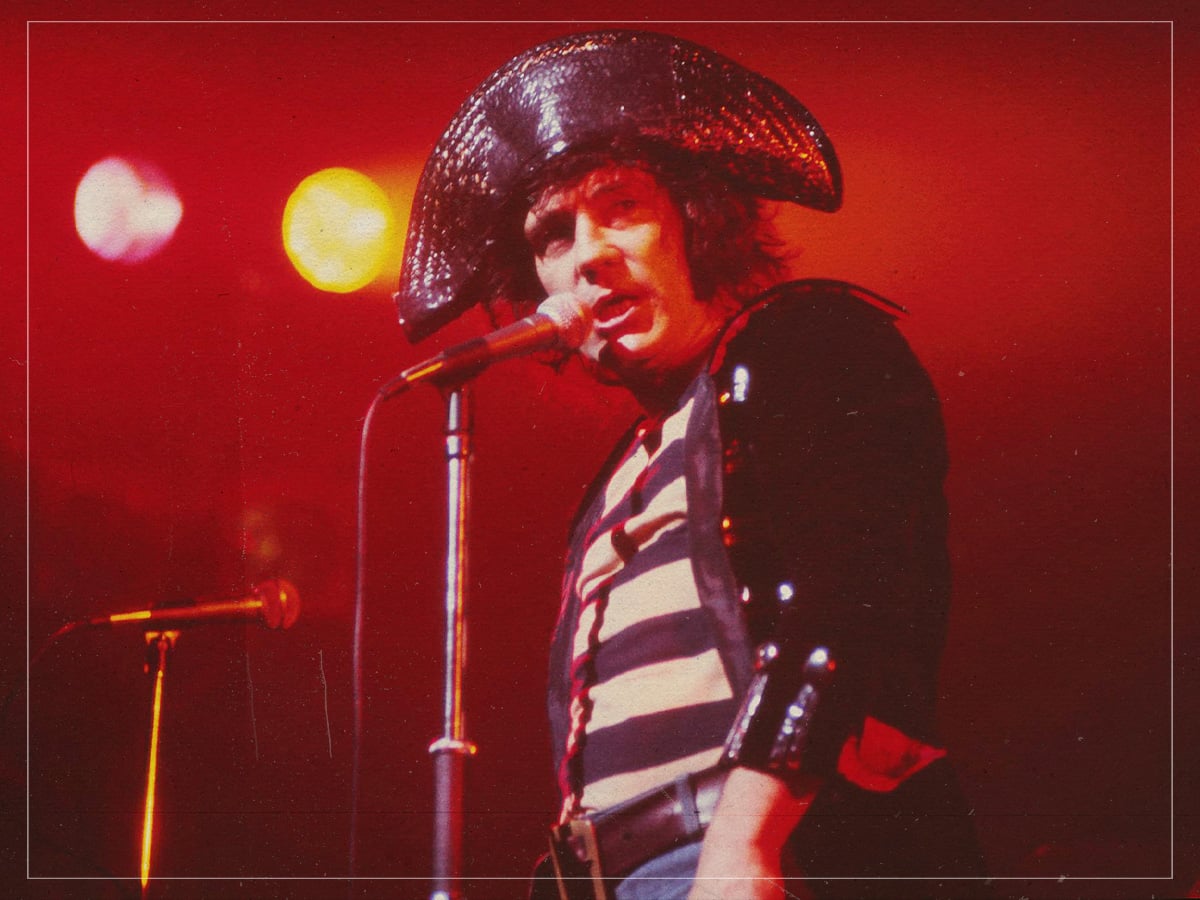
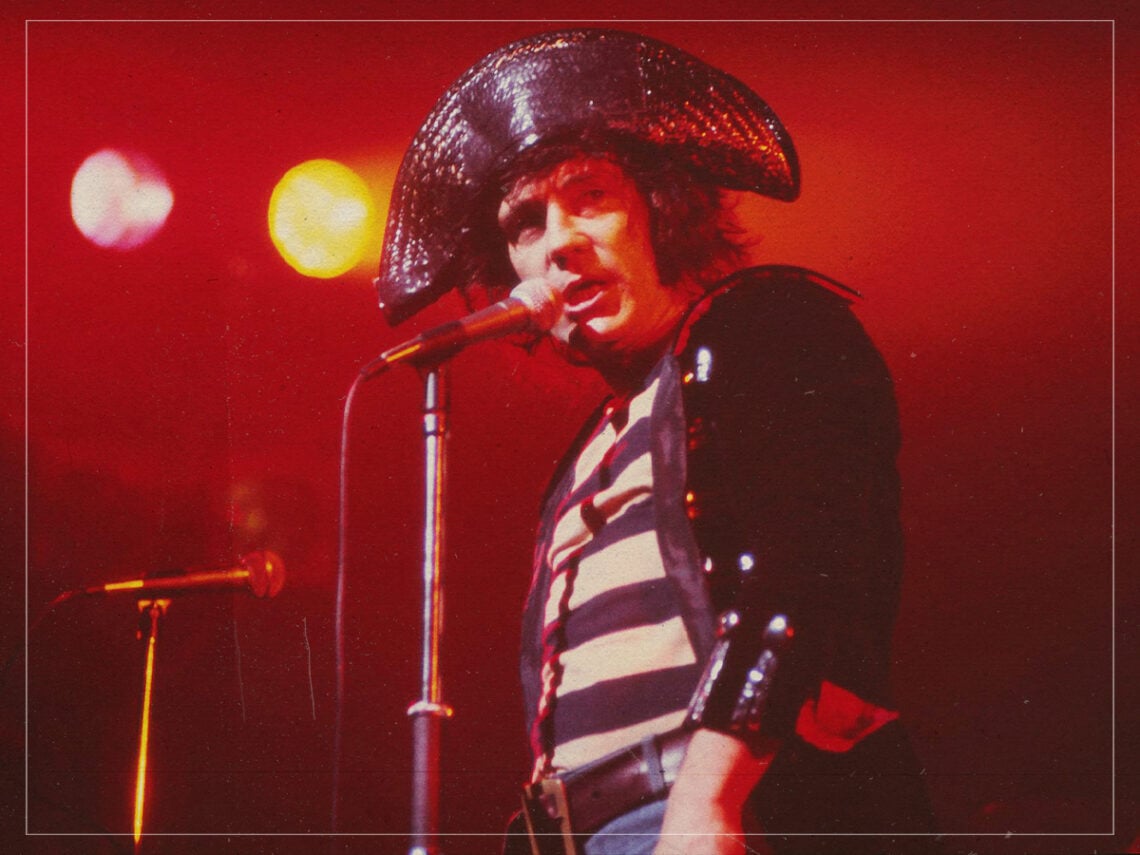
(Credits: Far Out / Alex Harvey)
Tue 3 March 2026 9:00, UK
The glam theatre that struck the UK rock charts across the early 1970s afforded Alex Harvey a sorely-needed extra stab at rock fame.
Nabbing Scottish progressive rock band Tear Gas as his trusty backing group, The Sensational Alex Harvey Band cut a markedly hard-nosed slice of comic vaudeville among the Top of the Pops cohort’s preening glitter, all brawny hard rock attack mixed with Broadway standards and Jacques Brel chanson, conjuring a sound completely grounded on the street over their peers’ escapist shimmer.
Yet, Harvey was in his late 30s before finally becoming a cult name. Before dropping SAHB’s Framed debut in 1972, Harvey already had a distinguished musical CV stretching as far back as his teens playing Glaswegian skiffle. For the next nearly 20 years, a hungry Harvey would try his hand at blues, jazz, and performing in the pit band for the Hair production, counting several LPs under his belt as a solo artist and one record as Alex Harvey and His Soul Band.
He’d tried his hand at everything but rock ‘n’ roll, but glam’s new platform for big personalities and arresting theatre proved too tempting for Harvey to pass up, perfectly befitting his raconteur songcraft and performance bombast.
Despite finally selling units and playing arenas, the music veteran still harboured a diffident relationship with the whole rock ‘n’ roll schtick and its many pitfalls.
“The machine scared me a bit because I don’t really want to be a star,” Harvey told journalist Harry Doherty in 1976. “I don’t relish the idea of it. You know Rory [Gallagher]… well, we talk about that often, and he’s managed to keep it separate. I try. I suppose I’m very extrovert on stage and everything, but at the same time…”
Looking around his family home and loving family, Harvey’s previous lives struggling in the music business appeared to instil a sense of perspective on the trappings of fame, “I like this. I like the kids and dogs and stuff… I don’t like the flash, the parties. I’ve been through that, and it doesn’t ring true. To me, rock ’n’ roll has always been the truth, and I don’t like it when it becomes stereotyped.”
Speaking to 1976’s quiet before the storm, Harvey knew rock was in a crisis. Spending the previous five years instilling some cartoon danger to SAHB’s beefy cabaret while the Woodstock residue was still clogging the charts, Harvey had done more than most to pave the path for punk, keenly injecting the excitement into the rock world while many of his peers were curdling into prog silliness or classic rock self-parody.
“That’s what it needs now,” Harvey remarked on rock’s next big bang. “I don’t think it will be us, it’ll be some young kids somewhere. Basically, what I would like to do is get hold of a bunch of kids and let them develop because they know what I don’t know. They must know. It’s their time, their year. To keep the music fresh is the main thing.”