
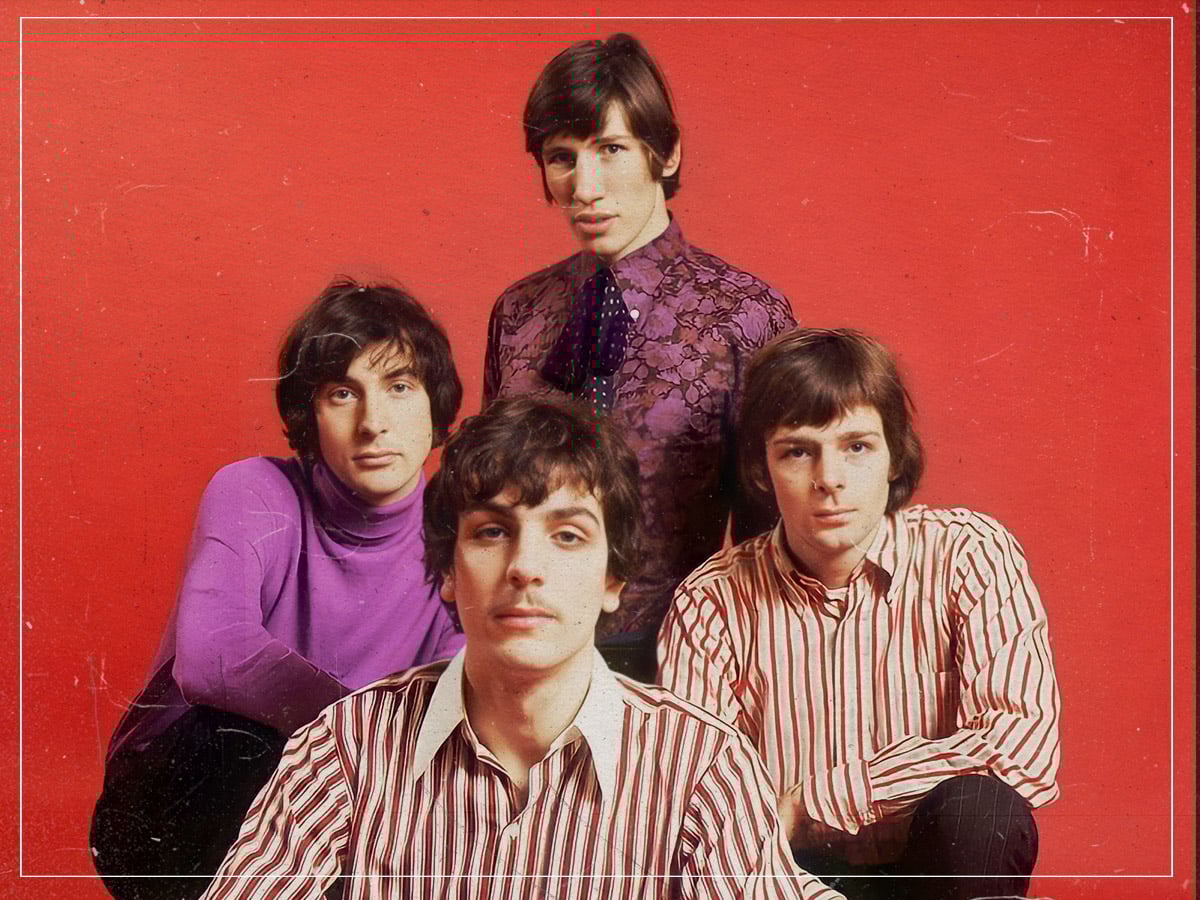
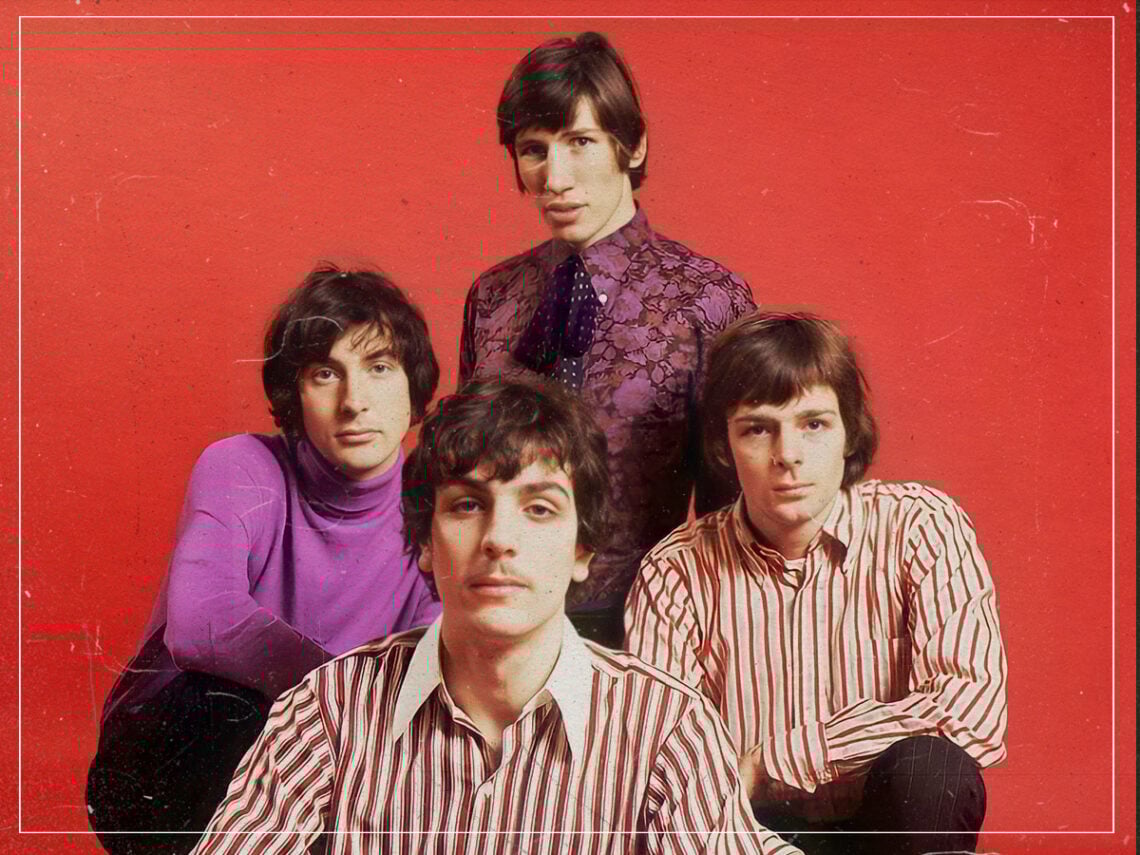
(Credits: Far Out / Alamy)
Wed 4 March 2026 8:19, UK
Roger Waters, the former creative figurehead of Pink Floyd, is no stranger to controversy. However, in the mid-late 1960s, when the band were in their early psychedelic chapter, Pink Floyd were not necessarily known as the most offensive group.
At the time, their songs featured whimsical lyrics and a pronounced English accent, which reflected this sentiment. Broadly speaking – apart from all the LSD taking – the paisley-shirted group went about their business without causing too many problems. That said, the quartet still found one of their songs banned by the BBC.
Most bands have been banned by the BBC at one point or another, though. It should be well observed that the British Broadcasting Company have a fair share of bans already under their belt, with anything from offensive language to sensitive subject matter being cause enough for the group to leave a band blacklisted. Even still, Pink Floyd seemed an odd choice.
It’s an interesting point, as the cerebral politics of their most crucial chapter of the 1970s is nowhere to be seen in this piece. ‘It Would Be So Nice’, the single released in 1968, was written and sung by keyboardist Richard Wright and was the first to feature new guitarist David Gilmour following the departure of Syd Barrett. Complete with lyrics such as the following, “Everybody wakes, and in the morning / Hot tea and can’t stop yawning / Pass the butter please”, it shows that even if Barrett was absent, the light-hearted psychedelia remained.
Per a story published in April 1968, there are two versions of the single with subtly different lyrics. Allegedly, the original set features a reference to the London newspaper, the Evening Standard. It is claimed that this caused the single to be banned by the BBC because of its strict no-advertising policy, which did not allow the mention of any product by name.
Ironically, the article, which is mentioned in the 1980 book Pink Floyd: A Visual Documentary by Miles, was published in the Evening Standard. It claims that the group were forced to spend £750 to record a version specifically for the BBC, which changed the lyric from the name of the publication to ‘Daily Standard’.
This is the only arrangement that has received reissues on vinyl and CD, with some questioning whether any ‘Evening Standard’ copies exist. Additionally, the single failed to enter the UK Singles Chart, despite the press surrounding it, meaning it is one of the few tracks that didn’t benefit from being apparently banned from the airwaves.
Usually, such songs are given an extra bounce of ystique when it has been confirmed the song won’t be played on the radio or television. But, such was the ineptitude of the banning and the poorly recorded track that it failed to make an impression.
Looking back on the song, drummer Nick Mason was scathing in his account: “Fucking awful, that record, wasn’t it? At that period we had no direction. We were being hustled about to make hit singles. There’s so many people saying it’s important you start to think it is important. It is possible on an LP to do exactly what we want to do”.