
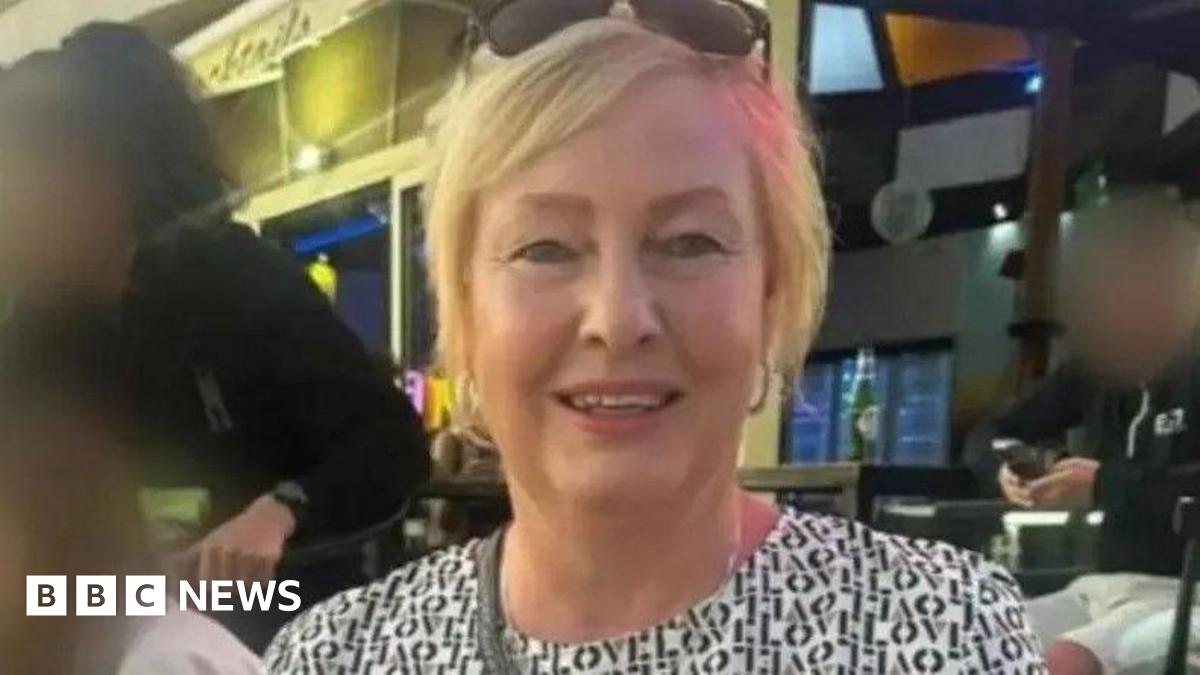
Rabies was only diagnosed after a psychiatrist asked about Ford’s travel history when he was called in by medical colleagues who were concerned that symptoms including hallucinations, disorientation and high levels of anxiety could have a mental health cause.
Ford was then transferred to an infectious disease unit at Sheffield’s Royal Hallamshire Hospital where she died.
Thomson explained to the jury how family and staff had to wear gloves, masks, visors and aprons when they were with her mother but she said they “held her hand during her final breaths”.
She said “watching Yvonne deteriorate so rapidly was extremely traumatic”.
Thomson told the jury how they had to watch her deteriorate “in real time without explanation and with growing fear”.
She said the family had a number of concerns about the basic care her mother received in Barnsley and believed she was not “treated with the level of dignity and respect she deserved”.
Thomson described how her mother refused to drink, despite desperate efforts from her family to hydrate her with a syringe, and was spitting out her saliva every five to 10 seconds until she died.
Infectious diseases expert Katharine Cartwright, from Sheffield Teaching Hospitals, previously told the inquest how this was a manifestation of hydrophobia – the fear of water – which is a symptom found only with rabies.
She said it appeared that Ford began to exhibit symptoms at the very end of May and, therefore, there was nothing that could have been done at Barnsley Hospital that would have saved her. The disease is always fatal once symptoms have presented.
The inquest continues.