
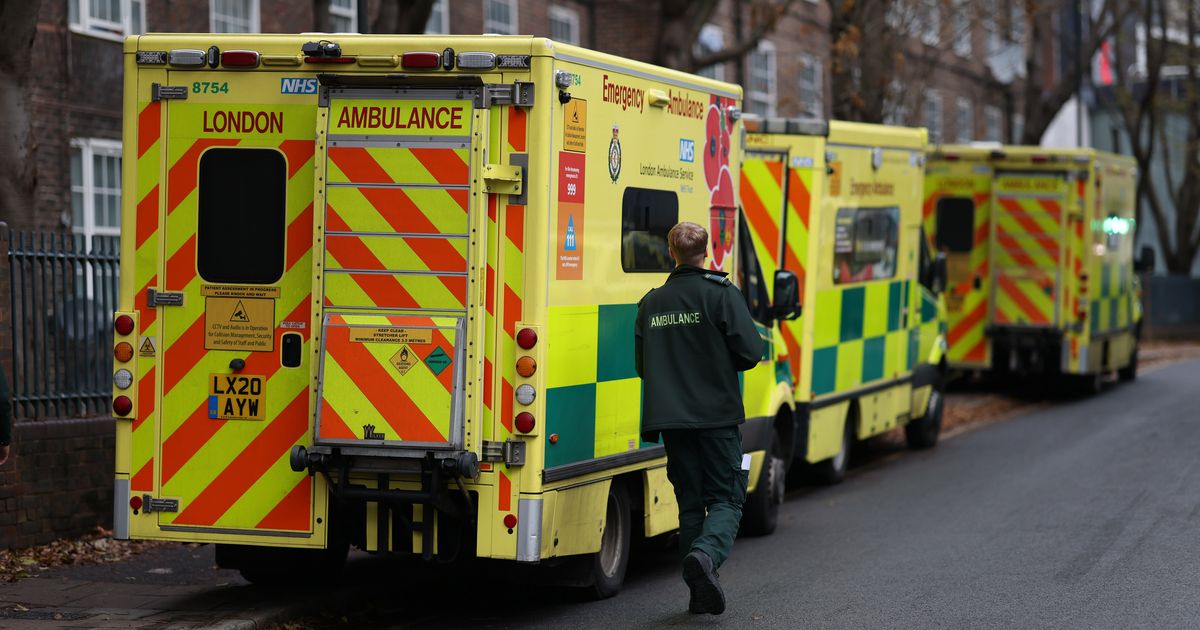
NHS staff are taking the brunt of people’s frustrations over long hospital delays while a rise in mental health issues is putting staff in more dangerKumail Jaffer Democracy Reporter covering the Mayor of London and the Greater London Authority
09:49, 05 Mar 2026
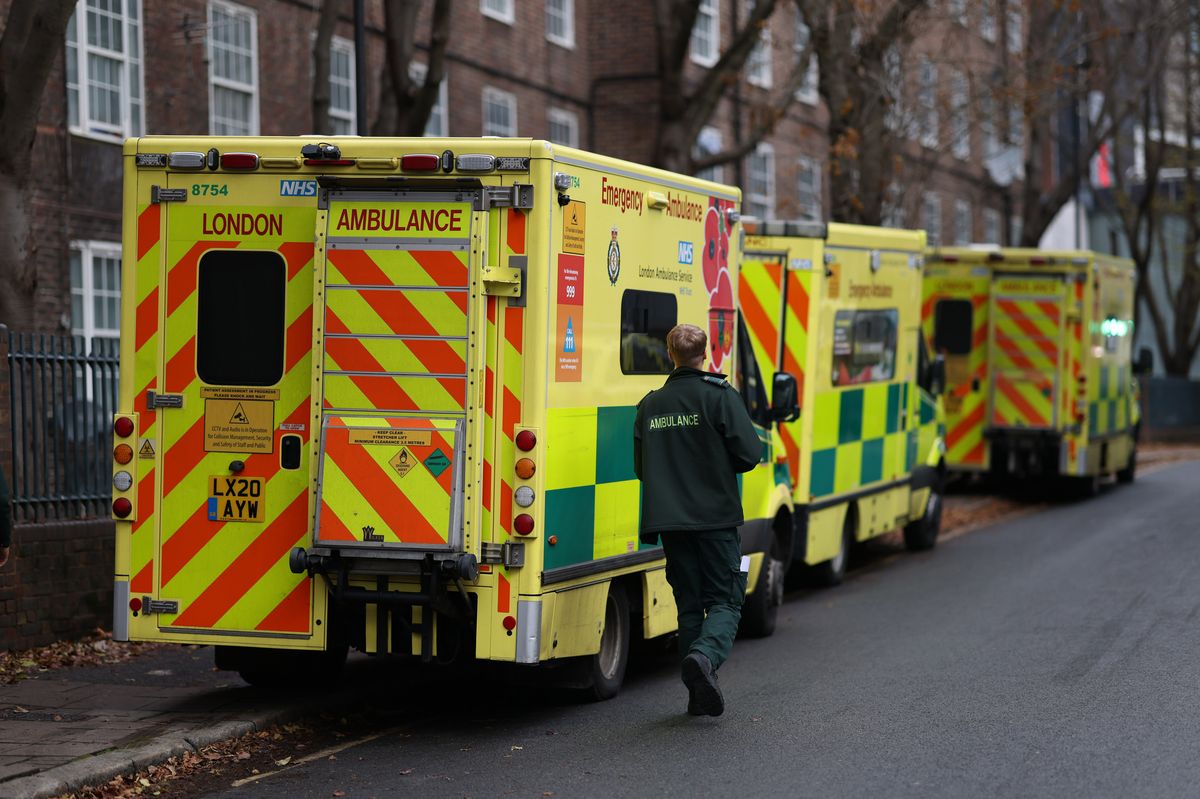
LAS has said seven members of its staff are assaulted a day(Image: Bloomberg via Getty)
London’s healthcare workers are being increasingly attacked and abused due to delays in the health service and increased mental health issues, the London Assembly has been told.
In 2024 in the London Ambulance Service (LAS), there was an increase of 11.3 per cent of all violence, aggression and abuse incidents directed against staff compared to the previous year, figures obtained by City Hall showed.
Meanwhile, a survey of NHS staff that same year found that more than a seventh had experienced at least one incident of physical violence in the past 12 months – a slight uptick on the previous year – with 25 per cent subject to at least one incident of harassment, bullying or abuse.
On Wednesday (March 4) the London Assembly Health Committee heard from senior health workers that the rise in abuse against staff across the service was down to external factors.
Patients in London are taking out their frustration at long waits in hospitals on the nearest staff member, according to Lisa Elliott, Director for London at the Royal College of Nursing.
“There will always be individuals that are aggressive or malicious towards healthcare staff, but now we are seeing the impact of frustrations bubbling over,” she told Assembly Members.
“People are waiting a long time to be seen, sitting in an area which is not dignified for a long time. Nurses who sit at the bedside 24/7 are more likely to be the subject of these frustrations.”
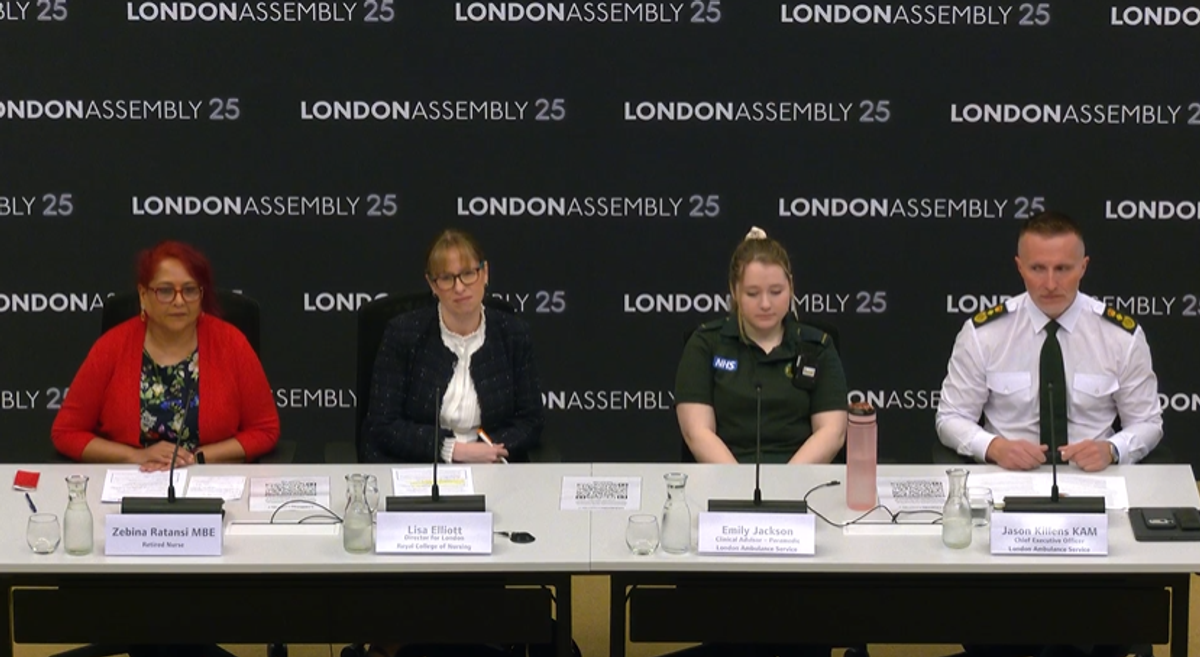
Dr Lisa Elliott (second from left) told the London Assembly Health Committee that people are taking out their frustrations at long hospital waits on staff
Zebina Ratansi, recently Director of Nursing at Whipps Cross Hospital, added: “There is a societal change where patients’ tolerance level is quite low and the threshold to get frustrated and angry is reached quite quickly.
“Our lived experience is seeing higher levels of frustration that we had done previously. There are issues in terms of delivery of healthcare which is systematically problematic. It’s a melting pot.”
‘Nurses kicked, strangled and abused’
Healthcare staff are also facing increased risk from a larger volume of mental health patients attending emergency wards. With police no longer attending mental health incidents since 2023, patients are increasingly attending and waiting in hospitals, putting workers in increased danger.
“We’re seeing the impact of the pressures within mental health – people who are mentally unwell are in an area which may not be appropriate for them with nursing staff dealing with lots of patients,” Ms Elliott said.
“That is the systematic impact. Nurses have been kicked, strangled, verbally and emotionally abused. These incidents are underreported – nurses don’t trust that anything is going to happen when they do so. Older nurses, especially, just accept that it’s part of the role, and it’s becoming much more normalised.”
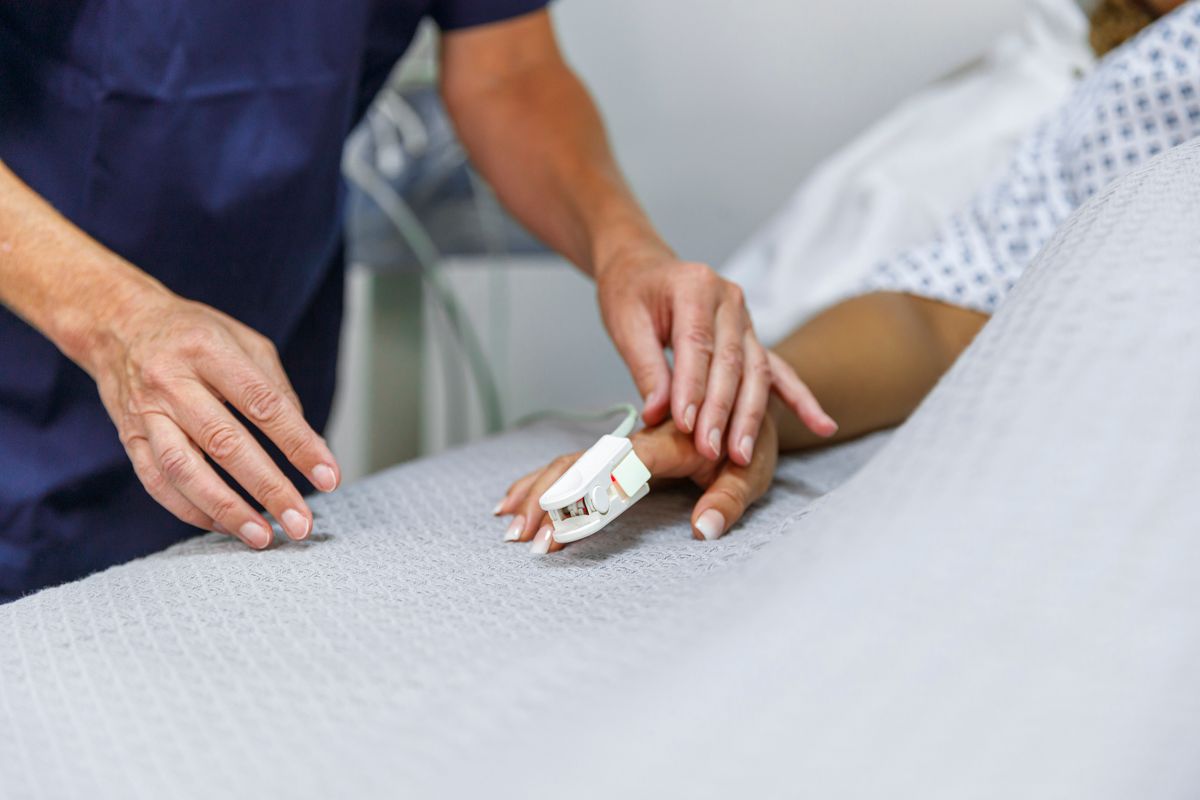
Nurses are thinking of leaving the service due to the level of abuse, one panellist said
Jason Killens KAM, CEO at the LAS, said there had been a “90 per cent increase in patients accessing our services” who are categorised as in need of mental health services.
Mr Killens also suggested that, as well as anger at delays and perpetrators often being under the influence of drugs or alcohol, there was a wider societal issue when it came to the public’s declining relationship with public sector workers.
He said: “As a society, there is a reduction in how the public respect public sector workers.”
‘It impacts morale’
The impact of this increased risk of abuse on healthcare workers is damaging the entire health service, the Assembly was told.
Panellists pointed to a 2021 report from the Social Partnership Forum suggesting the cost of violence and aggression towards staff members costs the NHS £1.36billion when sickness absence, employee turnover and productivity are taken into account.
Ms Elliot said the rise in incidents had created an atmosphere of fear within the service, adding: “Staff always have that awareness it could happen to them – it impacts morale. It has a ripple effect on the team.”

Public sector staff are, as a whole, treated with less respect now than they used to, the CEO of the LAS said(Image: Bloomberg via Getty)
Ms Ratansi added: “There’s a fear of coming back to work balanced with a fear of letting colleagues down by being off sick.
“Older nurses feel they have to get on with it, but this is much more problematic with younger nurses, who are more likely to ask for help and support and go off sick. They will also reassess whether this is the right profession for them.”
Andie Johnson, Programme Manager for Health and Wellbeing at NHS England, suggested body-worn cameras for staff could act as a “natural deterrent”. Current pilot schemes, including in the LAS, show that they “reduce the risk of incidents”.
Chris Akaluka, Security Supervisor at Newham University Hospital, called for a wider review of security measures and response options within the NHS to “accommodate the realities of what is happening”.
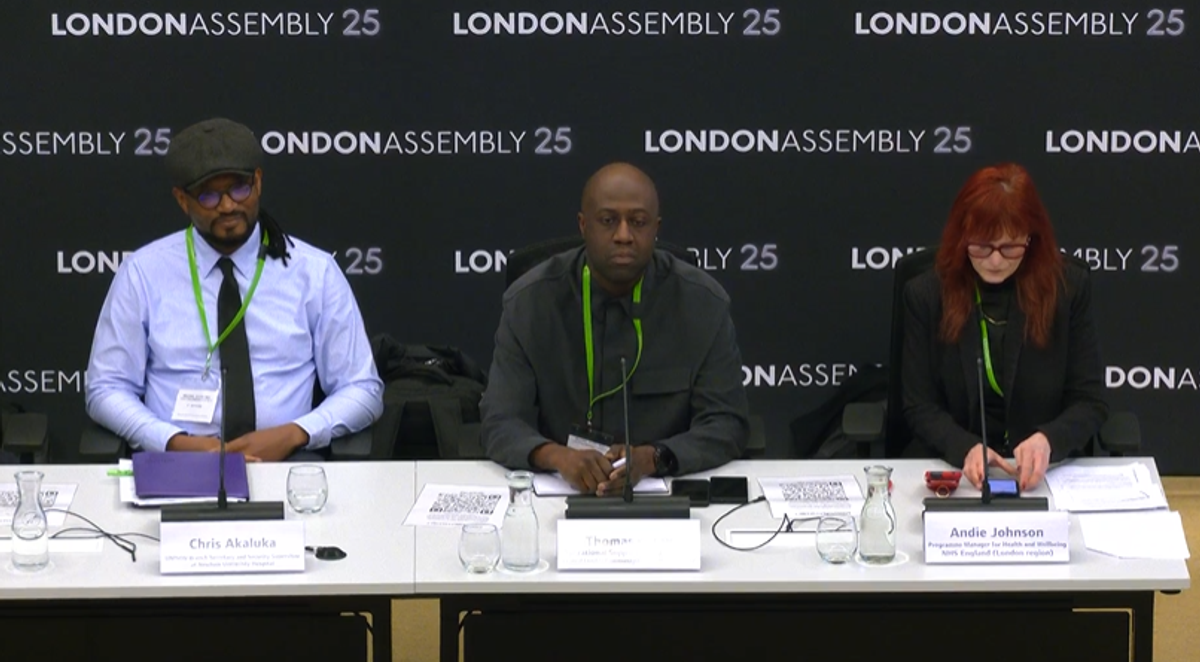
Chris Akaluka (left) called for a service-wide review into security provisions for staff to reflect the modern reality of what they face
This could include “hospital constables” who have the power to arrest any abusers, meaning staff don’t have to wait on an already overstretched police force.
In 2024 the NHS launched he Violence Prevention Reduction standard, a framework for NHS organisations to take action to prevent and reduce violence and abuse against staff. This gave health bosses a statutory duty of care to prevent and control violence in the workplace.
Looking for more from MyLondon? Subscribe to our daily newsletters here for the latest and greatest updates from across London.