
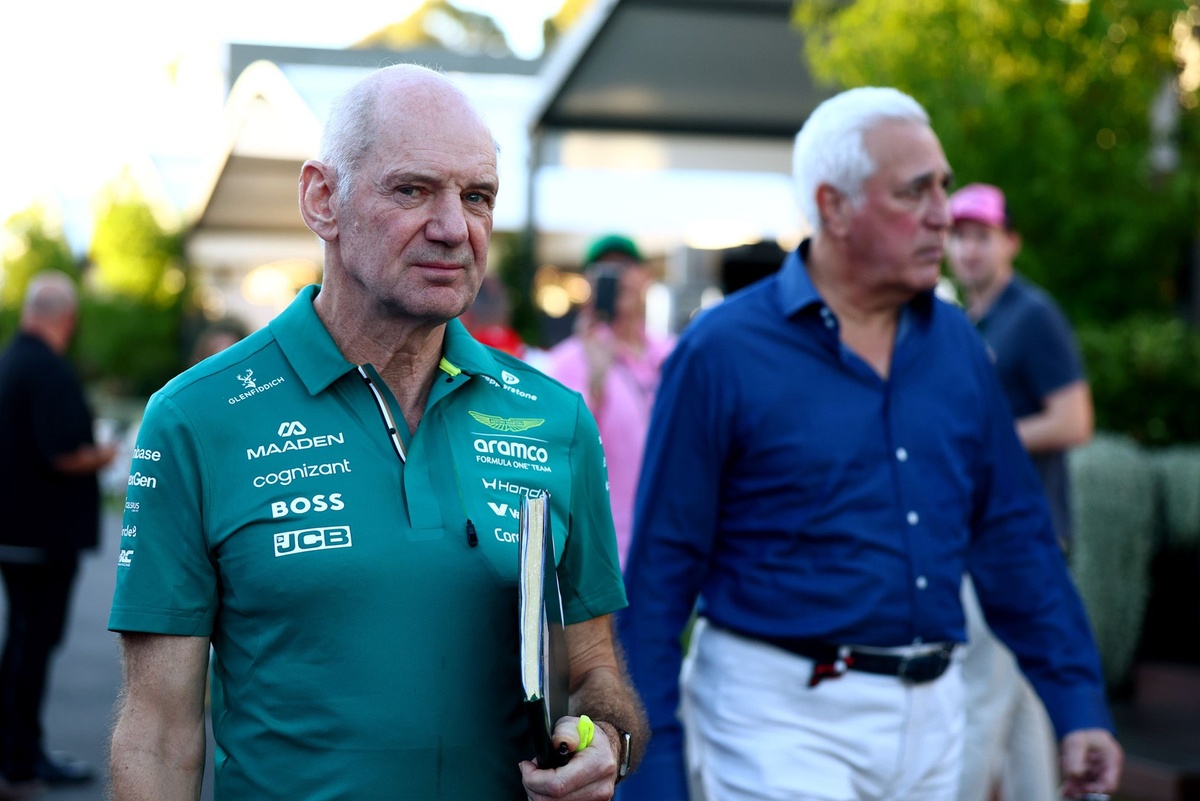
The fuss raised by the Aston Martin Formula 1 team at the press conference held in the Melbourne paddock on Thursday morning has a purpose.
Adrian Newey and Honda Racing Corporation president Koji Watanabe told media that the vibrations generated by the Honda V6 are so intense that they even affect the drivers.
“The power unit is the source of the vibrations,” said Aston team boss Newey, “and at the moment we can’t do anything to limit this effect. The most worrying aspect is that the vibrations are transmitted to the driver’s fingers, with the risk of causing permanent damage to the nerves in their hands.”
These statements were surprising: when it comes to problems, teams are often willing to deny even the obvious. So why did Newey want to highlight the criticality of such a sensitive issue as safety?
Nothing happens by chance.
The first fact is that Honda will have to make significant changes to its engine project and with the regulations currently in force, the problem is not only technical in nature. The first step will be to obtain authorisation from the FIA to begin work for reliability reasons and this should not be difficult.
Read Also:
However, the work required to improve performance will be different. Starting this year, the power unit regulations offer the possibility of using ADUO (Additional Development and Upgrade Opportunities), allowing engine manufacturers in difficulty to make changes to their designs.
But there is a significant problem in Honda’s case, as the first evaluation interval set by the FIA is after the sixth race of 2026 – currently scheduled to be Miami on 1-3 May. Although, if the Bahrain and Saudi Arabian grands prix are cancelled due to the ongoing US-Iran conflict, then round six will be Monaco in June.
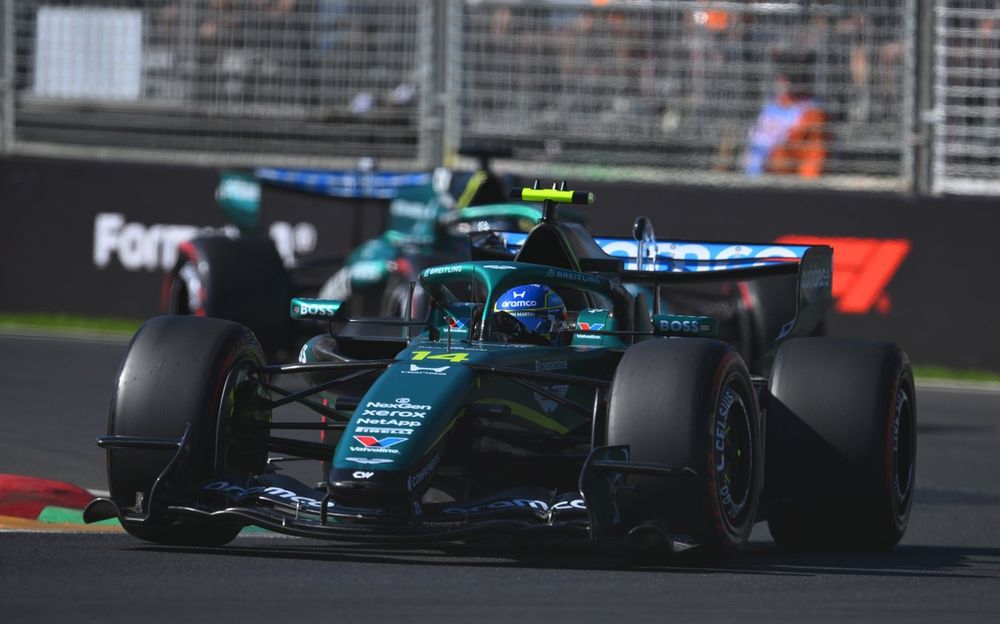
Fernando Alonso, Aston Martin Racing
Photo by: Simon Galloway / LAT Images via Getty Images
There is also another aspect related to the cost cap that regulates power unit manufacturers. In addition to extra hours on the test benches, the ADUO allows for an additional budget above the spending cap.
Yet in Honda’s case, the prospect is that it will have to intervene in the project in a much more incisive manner, going well beyond the costs of two corrective measures allowed by the regulations in the event of a performance deficit greater than 4%.
The alarm raised by Honda and Aston Martin is therefore aimed at putting pressure on the FIA.
On the one hand, there is the need to be able to count on a significant increase in the budget to start major interventions on the project, and on the other hand, there is the attempt to bring forward the timetable. The regulations are clear, but invoking safety reasons could push the governing body to make an exception.
Aston’s desire to create an exceptional case also emerged during Friday’s team principal press conference, attended by Newey.
“Given our numerous battery failures, the situation is quite frightening,” he said. “We hope to get through the weekend with both cars on the grid, but at the moment it is very difficult to be certain.”
Read Also:
We want your opinion!
What would you like to see on Motorsport.com?
– The Motorsport.com Team