

Home » America Travel News » California Joins Hawaii, Oregon, Missouri and More US States Face a Silent Undertourism Crisis as the American Tourism Sector Struggles High: A New Setback is Taking Shape
Published on
March 7, 2026
By: Tuhin Sarkar

Image generated with Ai
California Joins Hawaii, Oregon, Missouri and More US States Face a Silent Undertourism Crisis as the American Tourism Sector Struggles High: A New Setback is Taking Shape
California Joins Hawaii, Oregon, Missouri and More US States Face a Silent Undertourism Crisis as the American Tourism Sector Struggles High: A New Crisis Is Taking Shape. The warning signs are growing across the US tourism Sector. California joins Hawaii, Oregon, Missouri and more US states face a silent undertourism crisis as the American tourism sector struggles high, and a new setback is taking shape across the USA and the wider Americas. The latest government tourism signals show that US travel is not recovering evenly. Some destinations boom.
Yet California, Hawaii, Oregon, Missouri and more US states reveal a troubling trend in the US tourism Sector. Fewer visitors arrive. Tourism spending lags. Communities that depend on US travel feel the pressure. Meanwhile, the USA tourism economy across the Americas watches closely. The message grows louder: California joins Hawaii, Oregon, Missouri and more US states face a silent undertourism crisis as the American tourism sector struggles high, and this new crisis is taking shape in the heart of the USA. Why is the US tourism Sector facing this sudden shift?
What forces are quietly reshaping US travel across the Americas? Travel And Tour World now urges readers to read the entire story to uncover the powerful truth behind this unfolding crisis in the US tourism Sector.
The US tourism Sector stands at a dramatic crossroads. The US, the global titan of travel, appears strong on the surface. Airports are busy. Hotels are open. Flights connect cities across the Americas. Yet beneath this powerful image, a silent crisis is unfolding across the USA. Several US states are still struggling to bring tourists back.
Official federal analysis reveals a powerful truth. The recovery of US travel is uneven. Some states are booming. Others remain far behind their pre-pandemic tourism levels. This means fewer visitors. Less spending. Reduced tourism jobs across the USA.
The US tourism Sector plays a huge role in the global economy. Travel spending supports millions of jobs across the Americas. When US travel weakens in certain regions, the impact spreads quickly. Hotels lose bookings. Restaurants see fewer customers. Local businesses across the USA feel the pressure.
Advertisement
Advertisement
Federal research comparing tourism spending levels between 2019 and 2022 reveals a clear pattern. Many states remain below full tourism recovery. Some destinations have recovered strongly. Others are still waiting for travellers to return.
The states showing the weakest recovery include California, Missouri, Oregon, Connecticut, Hawaii, Minnesota, Oklahoma, West Virginia, Delaware and New Hampshire. These states represent some of the biggest warning signs inside the US tourism Sector.
Advertisement
Advertisement
Federal Data Reveals the Uneven Recovery of the US Tourism Sector
The most detailed insight into the current state of US travel comes from federal tourism research. The analysis compares tourism spending across all states before and after the pandemic. This comparison reveals how strongly each state has recovered.
The results are striking. Tourism spending across the USA has not returned equally in every region. The Western United States shows the weakest recovery in the US tourism Sector. Travel spending there reached only about 81 percent of 2019 levels.
Other regions performed slightly better. The Midwest recovered to about 86 percent, while the South and Northeast reached around 89 percent of earlier tourism spending.
These figures highlight a critical truth. The recovery of US travel is still incomplete. The USA remains one of the world’s most powerful tourism destinations across the Americas, but many regions have not fully regained their visitor numbers.
International travel plays a major role in this situation. Many states rely heavily on overseas travellers. These visitors bring high spending into the US tourism Sector. But international travel returned more slowly than domestic tourism.
Business travel also remains weaker across the USA. Conferences, conventions and corporate travel were once a huge part of the US tourism Sector. Today many companies travel less than before.
These shifts have reshaped the US travel landscape across the Americas.

Image generated with Ai
California Emerges as the Weakest Tourism Recovery State in the USA
California is one of the most famous travel destinations in the USA. Millions visit its beaches, theme parks and national parks every year. Cities such as Los Angeles and San Francisco are icons of the US tourism Sector.
Yet federal tourism data shows a dramatic reality. California recorded the weakest tourism recovery among all states in the USA. Travel spending reached only about 75 percent of pre-pandemic levels.
This decline reveals the deep impact of changing travel patterns in the US tourism Sector. California relies heavily on international travellers. Visitors from Asia and Europe once brought enormous spending into the USA.
When global travel slowed, California felt the impact quickly. Business travel also plays a massive role in the state’s tourism economy. Technology conferences and corporate events once filled hotels across the region.
However, business travel across the USA has not fully recovered. Many conferences now combine online and physical events. Corporate travel budgets also remain cautious.
The result is clear. One of the biggest tourism powerhouses in the Americas remains far from full recovery.
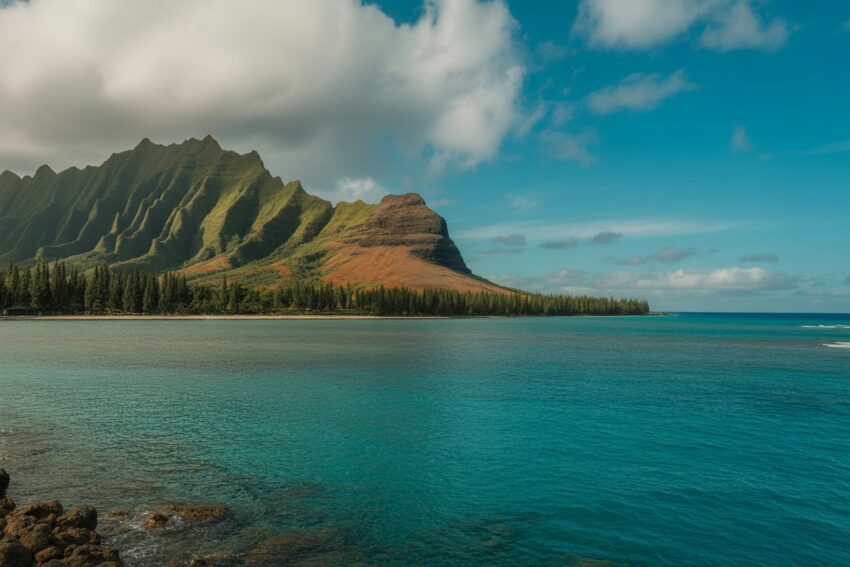
Image generated with Ai
Hawaii Tourism Faces a Unique Recovery Challenge in the US Travel Market
Hawaii tells another powerful story inside the US tourism Sector. Tourism is the backbone of the Hawaiian economy. Visitors fuel hotels, airlines, restaurants and attractions across the islands.
Yet the recovery of US travel in Hawaii has been slower than expected. International tourism remains weaker than before the pandemic. Visitors from Japan and Canada are still significantly lower than earlier levels.
These international travellers are critical for the USA tourism industry. They typically stay longer and spend more money. Their absence has created major pressure on the US tourism Sector in Hawaii.
Another dramatic event also affected tourism in the state. The devastating Maui wildfires of 2023 sharply reduced visitor numbers to one of the most famous islands in the Americas.
Even as tourism slowly returns, Maui remains below earlier visitor levels. This shows how fragile tourism recovery can be in the USA.
The situation in Hawaii demonstrates a key reality about US travel. States that rely heavily on international visitors face a longer road to recovery.
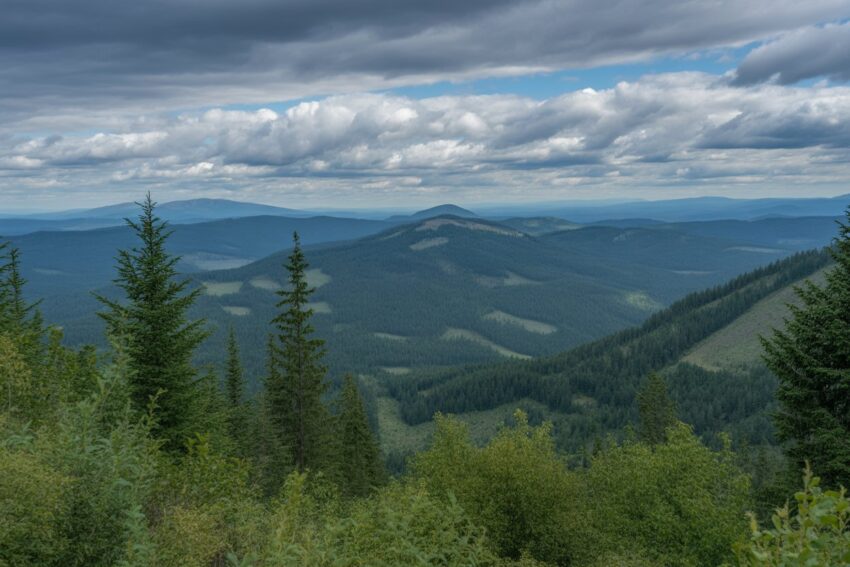
Image generated with Ai
Missouri and Oregon Reveal the Changing Landscape of Tourism in the USA
Missouri and Oregon provide another surprising example of undertourism in the USA. These states are not typically seen as global tourism giants. Yet federal data shows they sit among the weakest tourism recoveries in the US tourism Sector.
Missouri recovered to around 75.4 percent of pre-pandemic tourism spending. Oregon reached roughly 75.6 percent.
These figures reveal a new competitive reality inside US travel. Domestic tourism surged after the pandemic. Travellers across the Americas rediscovered road trips and nature destinations.
But competition between destinations also increased dramatically. Visitors now have countless options when planning trips within the USA.
Large tourism hubs with powerful marketing campaigns often attract the most attention. Smaller or mid-tier destinations sometimes struggle to capture the same volume of visitors.
This growing competition reshapes the US tourism Sector across the Americas.
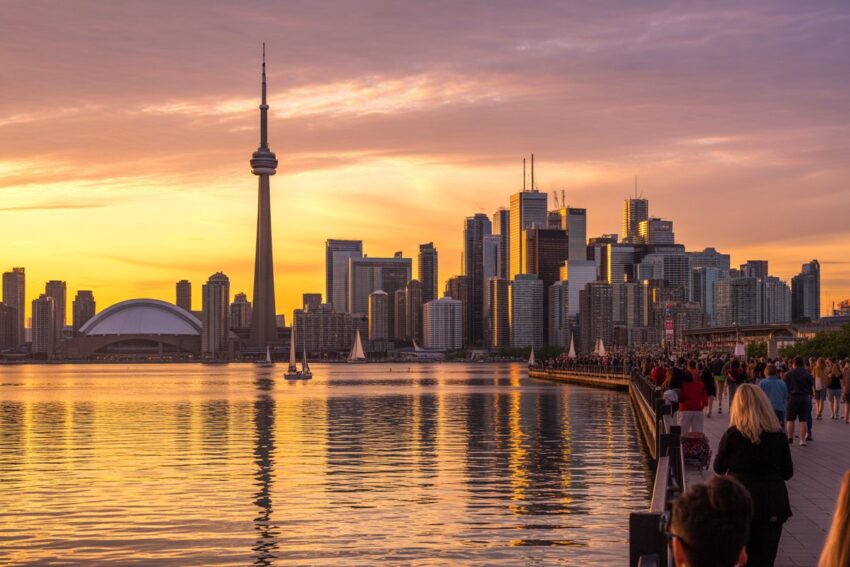
Image generated with Ai
Northeast States Face Business Travel Slowdowns in the US Tourism Sector
The Northeast also shows signs of undertourism within the USA. States such as Connecticut, Minnesota and New Hampshire remain below their earlier tourism performance.
These states depend heavily on business travel. Corporate meetings, conferences and professional events once brought steady visitors into the US tourism Sector.
However, business travel across the USA changed dramatically after the pandemic. Many companies replaced physical meetings with digital conferences.
This shift reduced travel demand in several parts of the US. Hotels that once relied on business travellers experienced slower recovery.
The change highlights a major transformation in US travel. Leisure tourism recovered quickly. But corporate travel still lags behind.
For many communities across the Americas, this difference has slowed the overall recovery of the US tourism Sector.
Southern States Also Struggle to Attract Tourism in the USA
Undertourism is not limited to coastal states. Several southern states also show weaker recovery in the US tourism Sector. These include Oklahoma, West Virginia and Delaware. Tourism spending in these states recovered to only about 78 percent of pre-pandemic levels. These numbers show how uneven the recovery of US travel has become. Many of these destinations depend heavily on domestic travellers from within the USA. Yet domestic travellers now have many choices across the Americas.
Major tourism hubs often attract the most attention. Smaller states sometimes struggle to compete for global visibility. Marketing budgets also play an important role. Large tourism destinations invest heavily in global promotion. Smaller states in the USA often have fewer resources.
This imbalance affects the growth of the US tourism Sector across the Americas.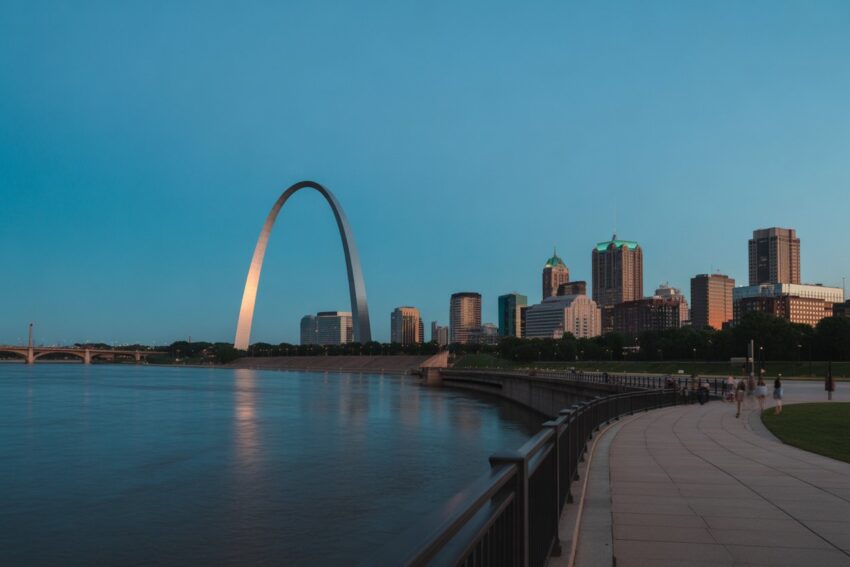
Image generated with Ai
US States with Weak Tourism Recovery
The following states show the weakest recovery in the US tourism Sector based on federal tourism analysis comparing 2022 tourism spending with 2019 levels.
California – 75 percent
Missouri – 75.4 percent
Oregon – 75.6 percent
Connecticut – 77 percent
Hawaii – 77.4 percent
Minnesota – 77.6 percent
Oklahoma – 78.1 percent
West Virginia – 78.3 percent
Delaware – 78.5 percent
New Hampshire – 78.6 percent
Louisiana – 80.2 percent
Arizona – 80.9 percent
Alabama – 81.1 percent
Wyoming – 81.2 percent
Mississippi – 81.3 percent
Alaska – 81.5 percent
Indiana – 82.4 percent
Massachusetts – 82.7 percent
Vermont – 82.8 percent
Nebraska – 83.5 percent
These figures reveal a powerful insight into US travel. Tourism recovery in the USA remains uneven across many states.
The Future of US Tourism Across the Americas
The US tourism Sector continues to recover. Airlines add routes. Cities welcome travellers again. Tourism across the USA remains one of the most powerful economic engines in the Americas.
Yet the recovery story is not finished. Many states still wait for travellers to return. Their hotels, restaurants and attractions depend on the revival of US travel.
International tourism will play a crucial role in the next phase of recovery. Overseas travellers bring enormous spending into the USA tourism industry.
As global travel strengthens, more visitors may rediscover destinations across the USA.
For the US tourism Sector, the challenge is clear. Tourism growth must spread beyond the biggest cities. Smaller destinations must also benefit from the return of global travellers.
Only then will the recovery of US travel reach every corner of the Americas.
