
In this week’s newsletter:
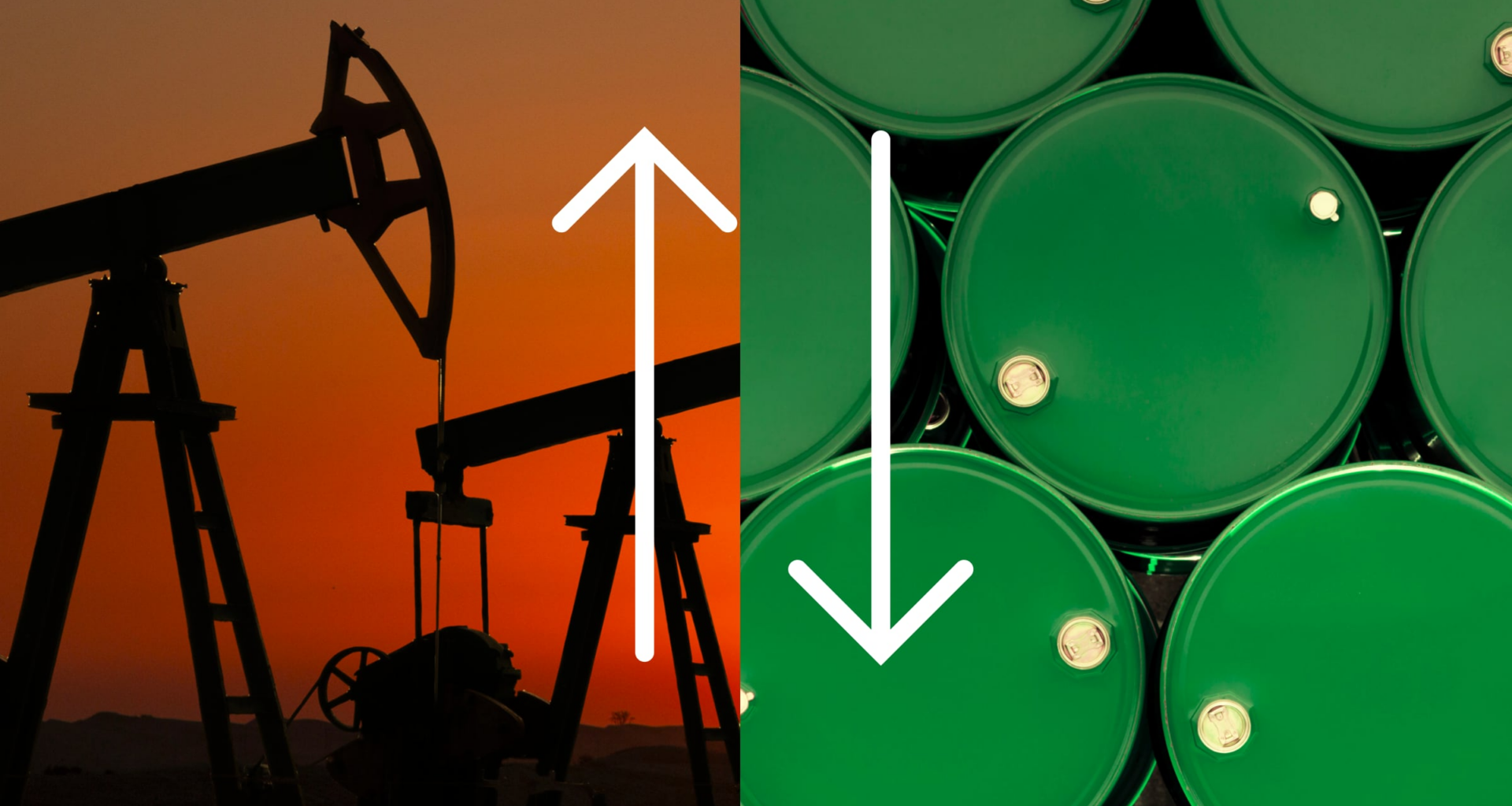
The military strikes by Israel and the US on Iran are a reminder of the power of geopolitics to deliver an event-driven shock to investors and to upend assumptions about the world. But nearly a week on, the impact has not been evenly felt: Asian stock indexes have been particularly hard hit, US indexes less so and Europe somewhere in the middle. The FTSE 100, despite have two huge oil stocks with heavy weightings, is down nearly 6% over five days.
One of the assumptions that has been rudely overturned here has been the narrative of falling inflation and interest rates following the post-covid surge.
Will the Bank of England Cut Rates on March 19? 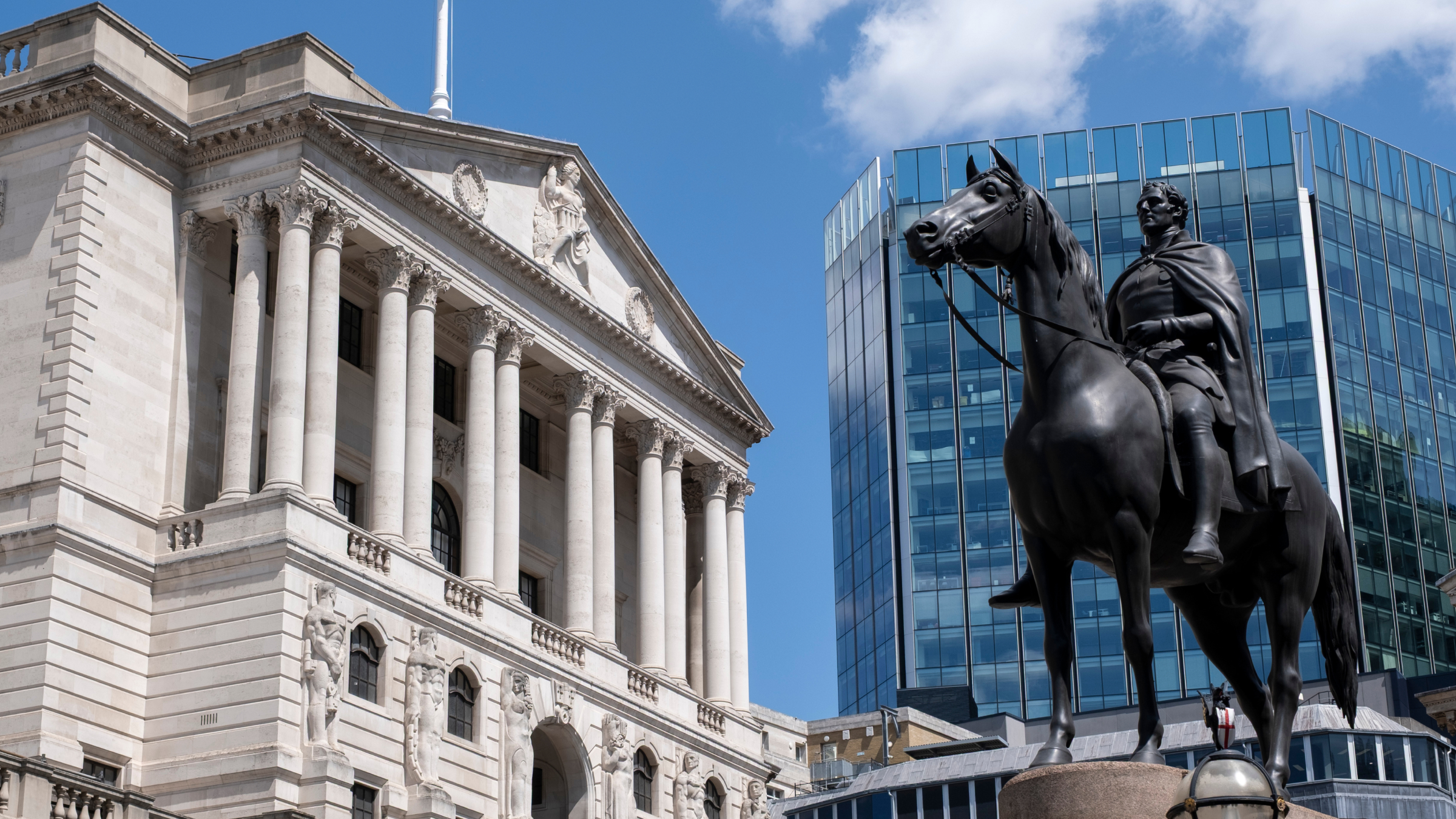
We’ve looked at this from the European perspective, where inflation is below target at rates at 2%, and the UK where inflation is still above target at rates at 3.75%.
Where Now for UK Interest Rates?
In the UK, Bank of England officials have yet to comment on the war. But futures markets have moved already, ruling out the expected interest rate cut in March. Just a month ago, the BoE’s governor laughed off the prospect of a rate rise, but a few weeks on, the idea isn’t so outlandish.
The link to politics and the perennially-under-pressure Labour government is clear: falling interest rates and inflation, which Chancellor Rachel Reeves took credit for this week in the Spring Statement, are needed to shore up consumer sentiment at a time when growth is hard to come by. After four rate cuts last year, lower mortgage rates were seen as a given in 2026, with knock-on effects on the housing market, retail and services.
Now that’s all been put into question by the Middle East conflict. The UK’s dependence on natural gas is particularly acute, which was last evident in winter 2022 when Russian supplies of gas stopped flowing into Europe.
Still, the demand for natural gas is falling as seasons change into spring and summer, so the real effect is likely to be hard to gauge for months. Much depends on the length of the current conflict, and the likely disruption to oil and gas supplies. At this point, the timeline is unclear. Andrew Bailey, in the last Bank of England press conference, stressed that the UK economy is getting better at dealing with external shocks such as war and pandemics. Let’s hope so. We hear more from the BoE in two weeks, where the conflict will be front of mind for policymakers.
War took the attention away from Rachel Reeves, who delivered a “non event” Spring Statement with no new personal finance details for savers and investors.
The main takeaway from the Spring Statement is that economic growth will be sub-1% this year. Coupled with an energy shock to inflation, tepid growth this year could make the Bank of England’s job much harder. The word “stagflation” may resurface again this year.
In the absence of much positive news, it’s good to be able to celebrate International Women’s Day with a look at the best female fund managers in Europe and UK.
James Gard, UK Editor
The author or authors do not own shares in any securities mentioned in this article. Find out about
Morningstar’s editorial policies.