
With a 162-year legacy and the promise that it will be “Never Knowingly Undersold”, John Lewis is, for many, the reliable department store that can be counted on in an increasingly chaotic world.
Now its bosses are preparing Middle England’s favourite retailer for the age of AI.
John Lewis is to begin selling its products on chatbots such as ChatGPT, as well as TikTok Shop, in a digital expansion that bosses hope will broaden the chain’s appeal and attract younger shoppers.
It has launched a multimillion-pound push into “AI-powered shopping”, as the advent of artificial intelligence transforms how Britons approach buying everything from clothes and furniture to groceries.
ChatGPT, Google Gemini and other large language models will be able to recommend John Lewis products to people using the apps to search for inspiration when shopping. For instance, you could ask one to recommend a selection of shirts to wear to a party in the spring, specifying the budget and level of formality, and it will consider whether a John Lewis shirt fits the bill and make the recommendation if it deems it does.
Ultimately, bosses want shoppers to be able to buy through the apps themselves, as AI companies introduce the function more widely.
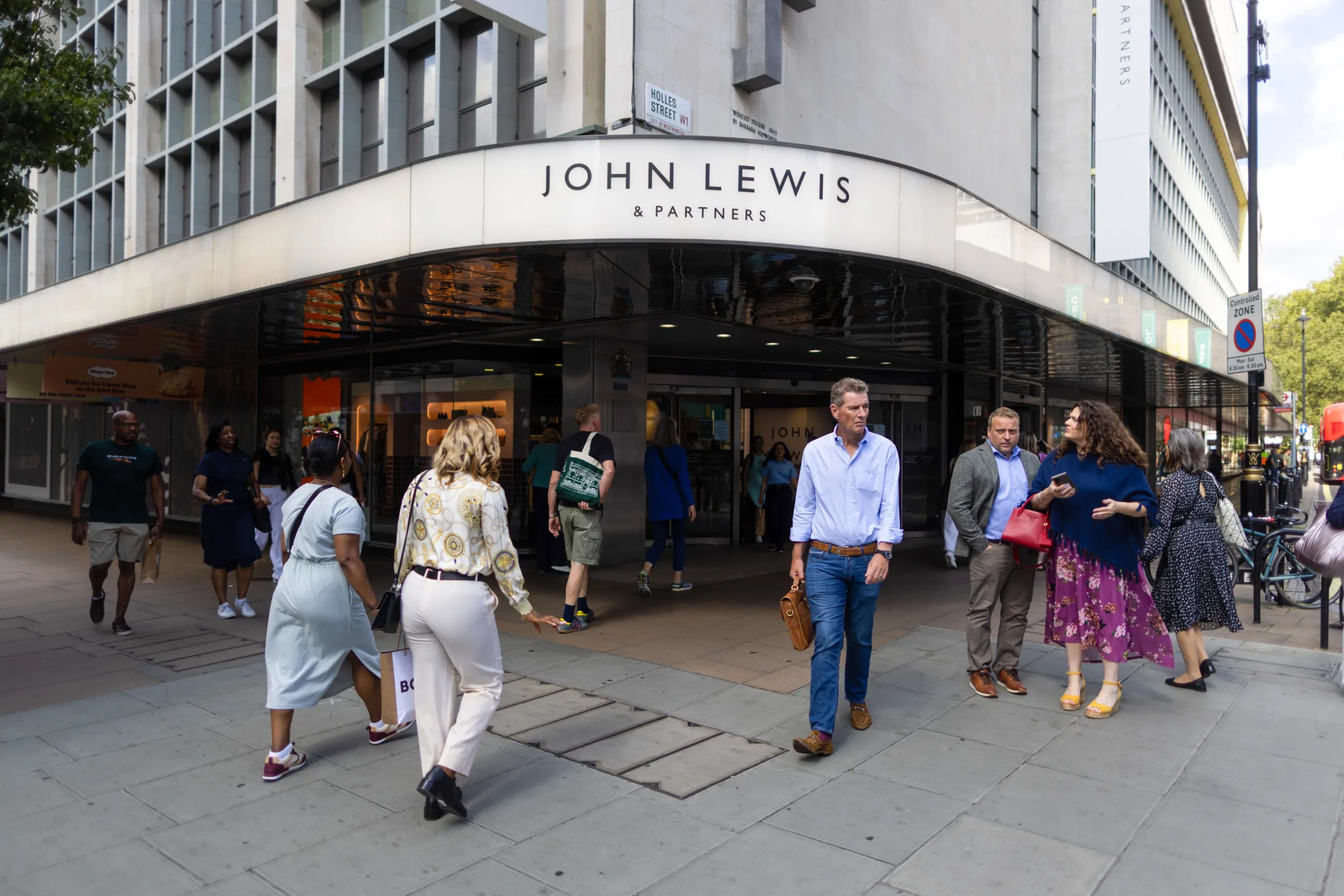 John Lewis on Oxford Street Chris Ratcliffe/Bloomberg via Getty Images
There has been an increase in people, particularly younger shoppers, using AI to help them do their shopping. According to KPMG research last October, 30 per cent of people between 25 and 34 had used a chatbot to search for deals.
Jonathan De Mello, the founder of the consultancy JDM Retail, said: “Retailers are embracing [AI] as a mechanism to reach a consumer that is relatively tech-savvy, especially the younger generation that uses it pretty much for everything — it pervades all.”
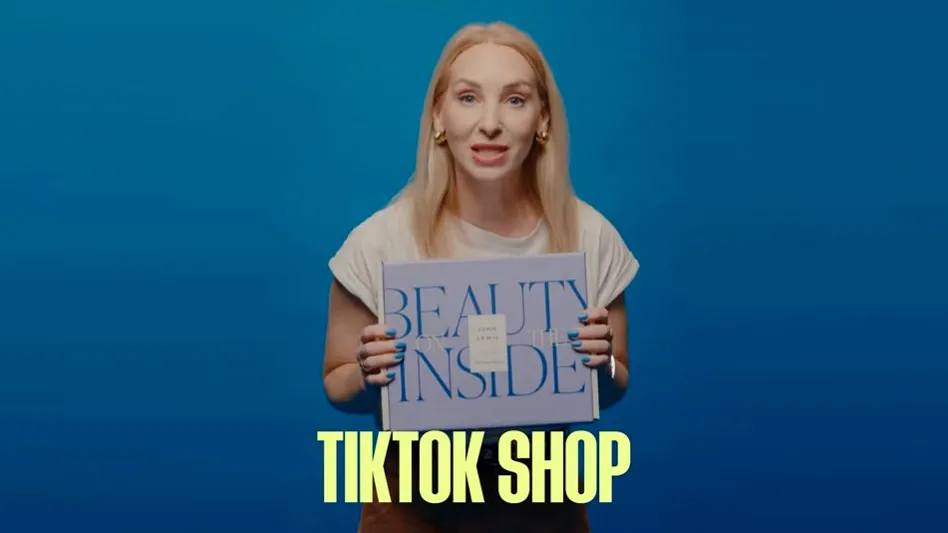
John Lewis will also trial selling its products through TikTok Shop, the Chinese social media company’s retail arm. Since its launch in 2021, TikTok Shop has grown to become a powerful force in British e-commerce, as users prove increasingly willing to buy bigger and more expensive items, such as home appliances and more upmarket clothes, according to reports.
Both Sainsbury’s and Marks & Spencer began selling garments and beauty products respectively on TikTok Shop last year. In November last year, TikTok Shop enjoyed its biggest day of sales ever on Black Friday, selling a record 27 items every second throughout the day. John Lewis will initially only sell a range of beauty products and other gifts.
Dom McBrien, the chief digital and omnichannel officer at John Lewis, said: “These investments will mean that we are right there when customers are looking for ideas. Being able to quickly and easily buy in a few clicks is a gamechanger.”
To get its products onto the AI platforms, John Lewis struck a deal with the tech company, Commercetools, which effectively translates its information into chatbots’ “protocols”, effectively the language they use. The chatbot is then able to view John Lewis as a merchant, meaning it will show up more frequently and accurately in searches.
John Lewis is not the only retailer hoping to cash in on the AI boom. In January, JD Sports said it hoped to allow customers to eventually make one-click purchases through AI apps. At the time, its chief technology officer, Jetan Chowk, called AI “the future of how people will shop”.
Across the Atlantic, Google announced in January that it had partnered with a string of major retailers including Walmart, Etsy, Wayfair, Target and Shopify, to enable direct shopping through its Gemini AI. Last September ChatGPT introduced an “instant checkout” tool for US users, allowing users to buy things without ever leaving the app.
John Lewis has 36 UK stores, and first began selling products online in 2001 with the launch of its website. Online purchases account for 60 per cent of its total sales. Later this month, the company will introduce same-day deliveries within 45 minutes of placing the order for customers who live near a handful of stores in London, Cambridge and Liverpool.
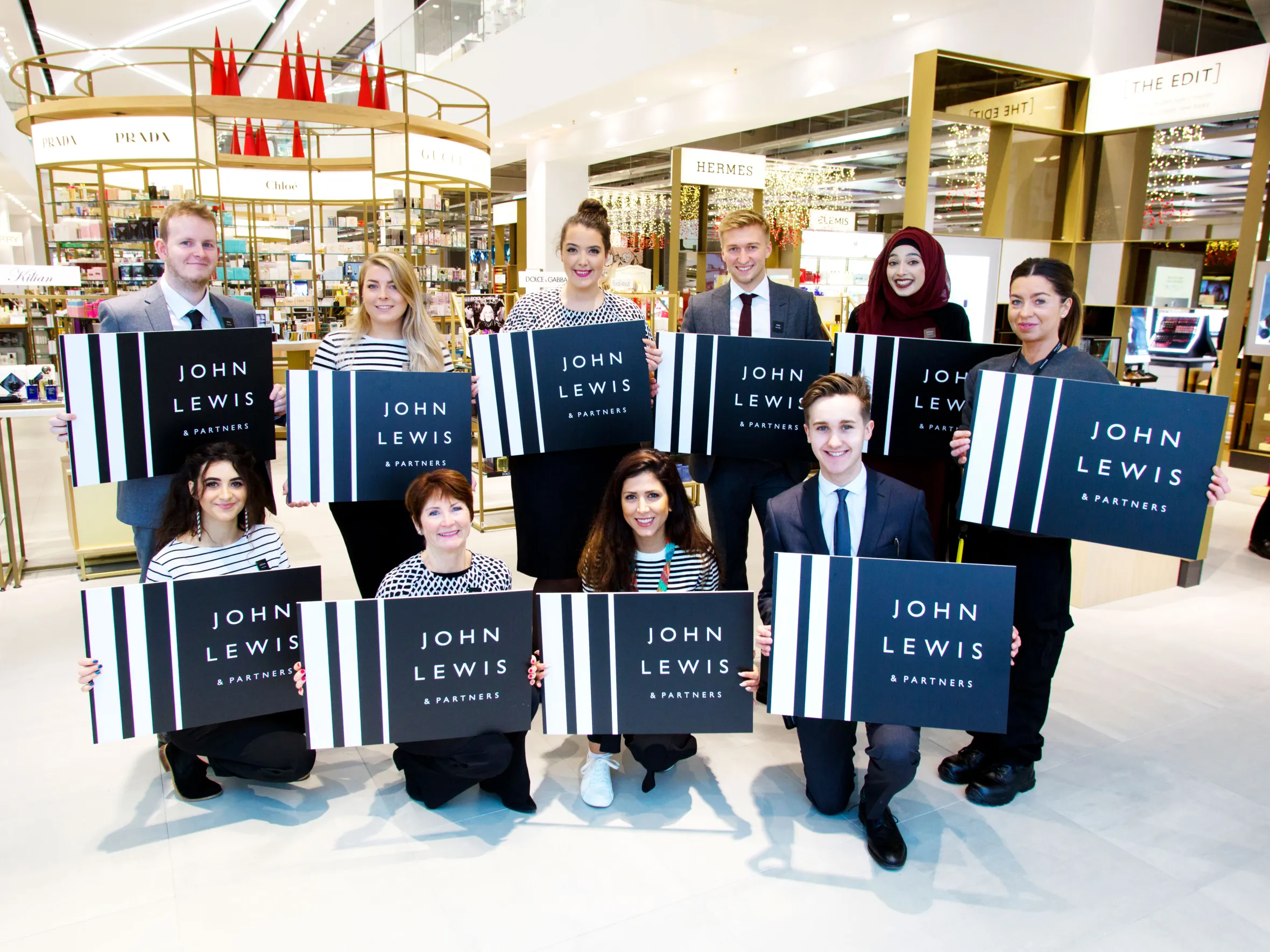 John Lewis staff in CheltenhamJohn Lewis/James MacKenzie
Bosses are understood to want to be ahead of the curve as AI shopping rises in Britain by planning to become one of the first retailers to fully adopt the technology. John Lewis already uses AI to price match its 25 biggest rivals since 2024.
Its parent company, The John Lewis Partnership (JLP), which also owns Waitrose, will on Thursday reveal its results for its 2025-26 financial year.
Its chairman, Jason Tarry, the former UK boss of Tesco, has launched a turnaround project after a difficult few years in which the company struggled with severe losses, closed stores and job cuts. Tarry took over from Baroness White of Tufnell Park who stepped down in 2024.
Speculation has been rising that Tarry may restore bonuses for its staff, who have not been paid an annual bonus since January 2022, even though the group is expected to miss its £200 million profit target.
JLP is a partnership rather than a traditional company, meaning it is technically employee-owned, with about 70,000 partners across the UK. Their annual bonus would usually represent a percentage of their salary that in the past has been as high as 15 per cent.