
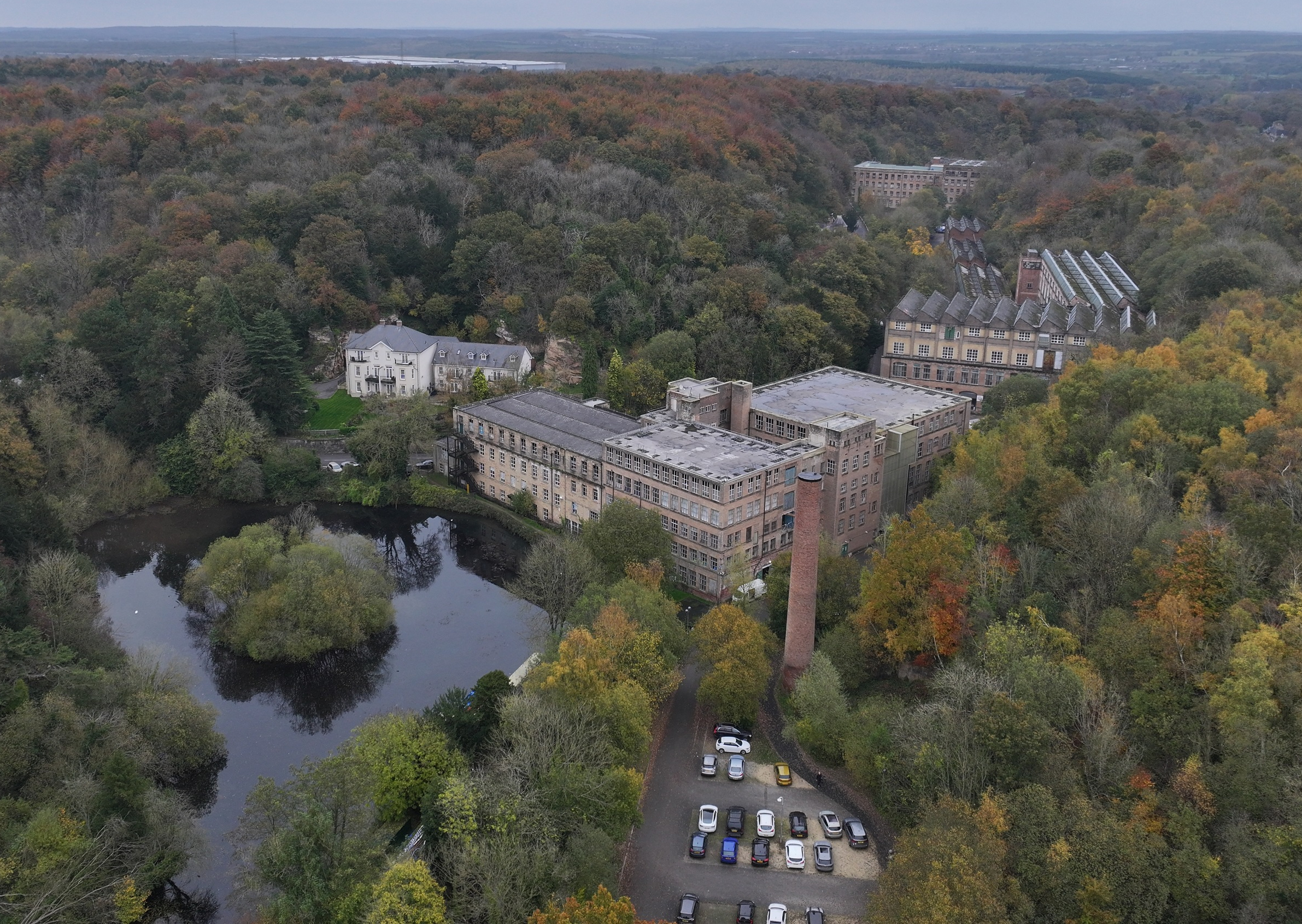
Bolsover District Council says it is continuing to work with the Derbyshire Wildlife Trust after concerns have been raised for birds and amphibians around Pleasley Vale Business Park during an ongoing project to reduce flood risks and to ensure future wildlife thrives around the site.
The Labour-controlled council agreed to appoint P&D Environmental Ltd to carry out a revised scheme of river and millpond environmental and flood mitigation improvements at the business park, at Outgang Lane, Pleasley Vale, to protect its historic mill buildings from floodwater and to carry out further urgent investigative works to the mill pond dam walls and culverts.
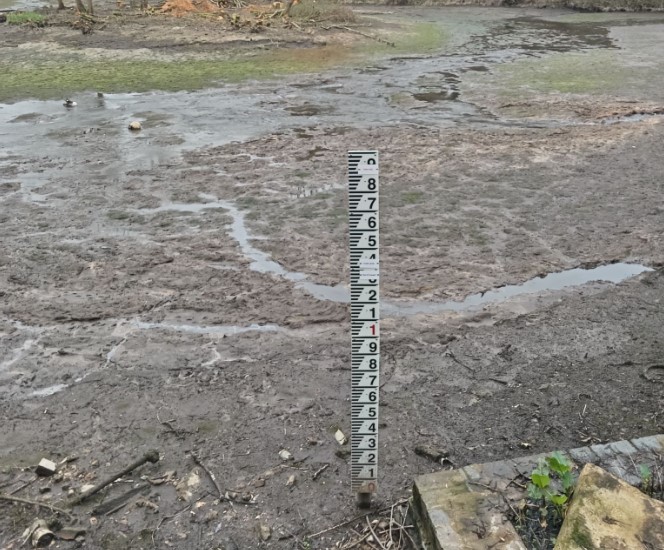
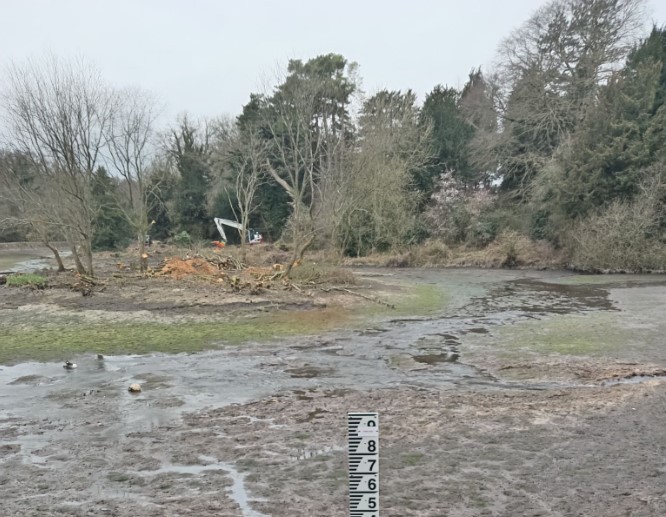
But since the second phase of work has got underway, including desilting works to remove sediment deposits in Mill Pond One and Mill Pond Two, the Mansfield Wildlife Rescue charity has raised concerns after Mill Pond One was drained during the peak breeding season for birds, swans and ducks and the migratory season for toads and newts.
 Bolsover District Council Leader, Cllr Jane Yates.
A Mansfield Wildlife Rescue spokesperson said: “This pond was home to swans, ducks, amphibians and a thriving aquatic ecosystem. With the water now removed, waterbirds have suddenly lost their natural food sources, including aquatic plants, snails, insects and small fish.”
– Advertisement –

The spokesperson added: “Swans are particularly likely to struggle more than ducks. Due to their size and weight, swans require a long stretch of open water to gain enough momentum to take off safely.
“Without sufficient water, relocation becomes much more difficult and energy-intensive, leaving them vulnerable and effectively stranded. This is an incredibly difficult time for them.”
The charity says that when a pond is drained, ducks and swans lose food sources and are forced to forage on land, increasing their vulnerability to predators, while the risk of malnutrition rises with further disturbance as contractors clear vegetation.
But the council has stressed the project will protect businesses and residents from the impacts of extreme weather and improve the biodiversity of the site by protecting it from floods while improving access for outdoor education and recreational activities and providing a long-term plan to ensure future wildlife thrives around the site.
A Mansfield Wildlife Rescue spokesperson said: “We understand the work has to be done, but we have been concerned about the timing because it’s the migratory season for the toads and newts and the breeding season for the birds, swans and ducks.”
The business park – which is managed by the council and lies between Bolsover and Mansfield on a floodplain with a flood threat posed by the River Meden – had been identified by the council for repair work in December 2024, with extensive renovations planned to get underway at the beginning of 2025 after damage was caused by Storm Babet in October 2023.
Bolsover District Council previously revealed its Business Estates Manager had been working to maintain fractured relationships with tenants, but uncertainty prevailed after the council issued a news alert on October 13 that businesses at the park’s Mill One building were being asked to vacate the premises due to ‘safety concerns’, before some were allowed to return by October 17 while work continued.
Staffordshire-based P&D Environmental Ltd has already undertaken bank stabilisation works to the upper part of Mill Pond One after setting up on-site work facilities at the site, including a temporary bridge structure, and work has included repairs to the foul drainage system.
The desilting of Mill Ponds One and Two has been identified as a key priority, together with addressing vegetation around the immediate perimeters, which the council says has been undermining the structural integrity of the mill pond walls and culverts.
P&D Environmental Ltd’s plans include a revised scheme of works to Mill Ponds One and Two to improve water flow management and flood mitigation throughout the business park.
Following the successful completion of Phase 1, which included a significant investment in maintaining the safety and integrity of the dam wall along the River Meden, Phase 2 commenced at the beginning of February.
This involves vegetation management and tree thinning around the watercourse and desilting works to remove sediment deposits in Mill Pond One and Mill Pond Two to enable greater water-holding capacity and to help restore and improve the biodiversity that once thrived in the ponds.
Other work includes carrying out vital repairs to the dam walls and culverts that run through the mill site, repairs to riverbank walls within the River Meden, new aquatic planting and habitat creation, and repairs and upgrades to the water management system to help prevent future flood events.
The council says works are being carried out with specialist ecologists and environmental contractors, and they will provide significant enhancements to the ecology and biodiversity around the site.
Plans include new aquatic planting, stabilising the banks and improving water quality and habitat rejuvenation to ensure future wildlife thrives after an ecological baseline study prior to Phase 1 confirmed low levels of biodiversity.
The council confirmed work undertaken so far includes repairs to the Mill One dam wall along the River Meden, an ecological survey and assessments, vegetation clearance, clearance of diseased and fallen trees, rescued fish at Mill Pond One, and repairs to a broken Mill Pond One sluice.
Other work includes the creation of a watercourse, increasing oxygen levels in the water, structural assessment and surveys of the River Meden culverts, a temporary measure to mitigate any structural defects, and a planting schedule for the riverbank.
There has also been careful monitoring of bat activity, great crested newts and toads, as well as nesting birds, according to the council.
Council Leader, Cllr Jane Yates, said: “It is vitally important that we balance the needs of the environment with the needs of our tenants and users of the mills.
“The course of action taken has struck that balance brilliantly, and I believe the outcome will be beneficial to all.”
The council insists that the project is being delivered in partnership with specialist contractors and ecology consultants, ensuring the work meets the highest environmental standards with the support of the Environment Agency.
Bolsover District Council has also engaged with the Derbyshire Wildlife Trust, who are carrying forward their support from Phase 1 with surveys, assessments and site presence for Phase 2 to ensure no wildlife is harmed during the works.
The council says the programme forms part of its commitment to preserving the heritage of Pleasley Vale and protecting it from flood damage, while ensuring it remains a safe, attractive and environmentally rich place for businesses and visitors.
A council spokesperson also confirmed at a council meeting on March 4 that the council has consulted with Derbyshire Wildlife Trust and the Environment Agency concerning the improvement works.
In the meantime, Mansfield Wildlife Rescue is providing as much suitable food as possible during the works to bridge the sudden loss of habitat, so they are appealing for donations of bird seed, oats, sweetcorn and defrosted peas, and ‘small monetary donations’ from residents, businesses or visitors.
The charity pointed out that if anyone chooses to feed the birds, they should do so responsibly and that they use bird seed, oats, sweetcorn and defrosted peas, but not bread, which it says offers very little nutritional value.
Anyone visiting the site has also been urged by the charity not to interfere with ongoing works or put themselves at risk, and if they notice any injured wildlife they are asked to contact Mansfield Wildlife Rescue.
A Mansfield Wildlife Rescue spokesperson added: “Damage has been done, but at least we can try and make sure the wildlife are fed.”
• Fundraising appeal to save Grantham Canal stretch After ‘extremely low’ water levels