
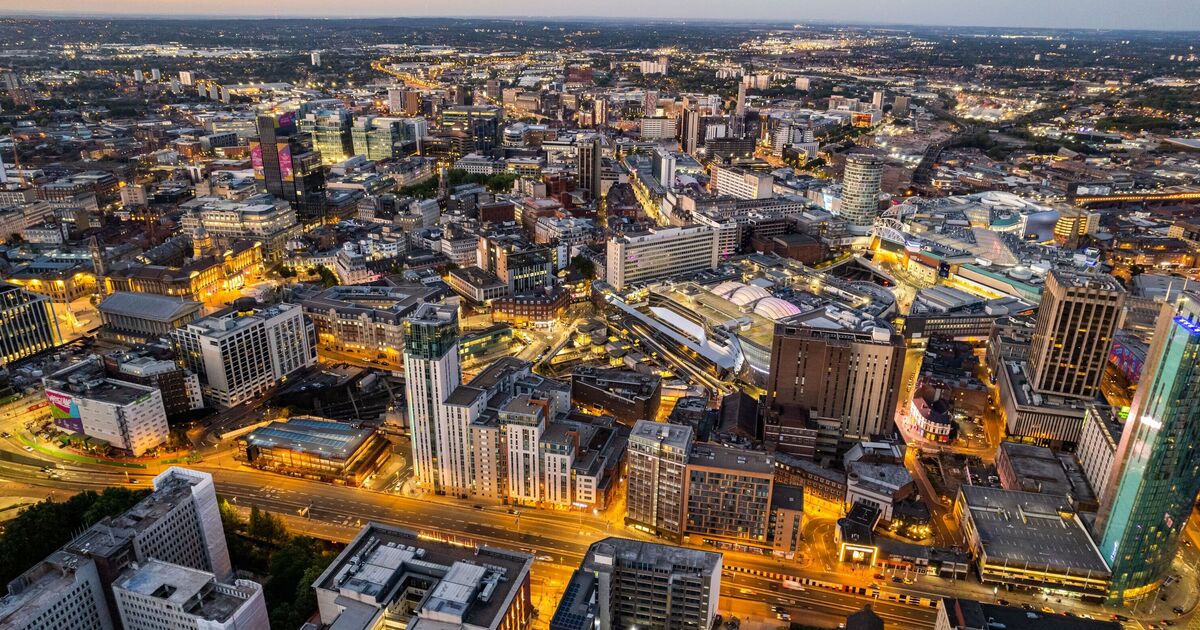
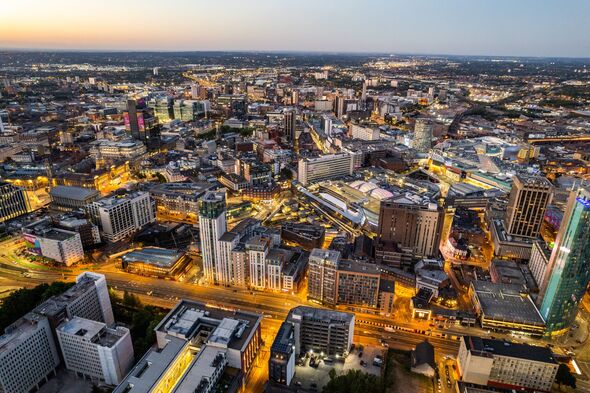
Birmingham is the second-largest city in the UK (Image: Getty)
Many people driving around the West Midlands may not realise that several historic market towns around Birmingham were once separate places. Over time, however, the city has grown so much that they now sit within one huge continuous urban area.
Birmingham has expanded steadily over the past century and today forms the centre of one of the largest built-up regions in the UK. Among the towns that have effectively been swallowed by the city’s growth are Dudley, Wednesbury, Walsall, Oldbury and Solihull.
READ MORE: Insane mega-city set to become the world’s largest with 100m people
READ MORE: Enormous £6.8tn mega-city being built 125 miles across desert faces huge issue
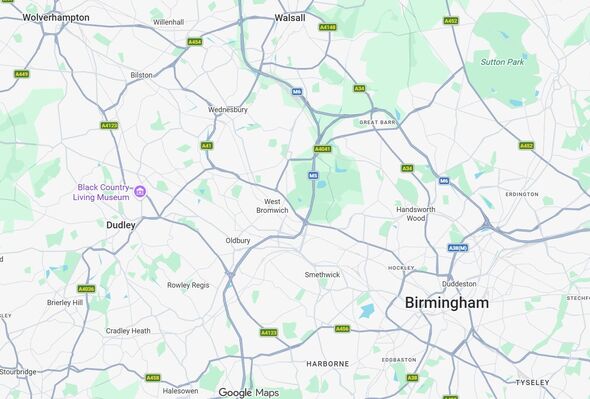
Birmingham has effectively swallowed 5 market towns including Dudley, Walsall, Oldbury and Wednesbury (Image: Google Maps)
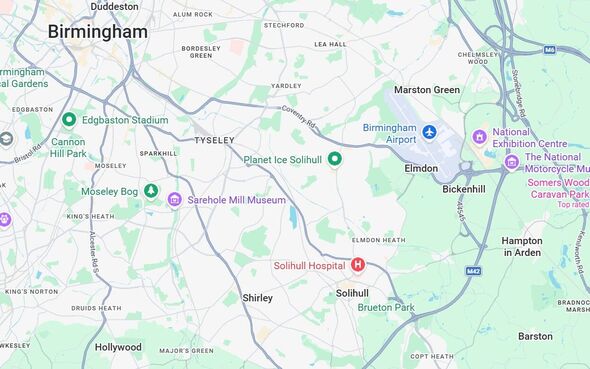
Solihull has also been swallowed by Birmingham (Image: Google Maps)
While each place still keeps its own identity and local history, the streets and suburbs linking them together now form part of the wider Birmingham urban area.
Birmingham itself is the second-largest city in the UK. It had about 1.14 million residents at the time of the 2021 census.
However, when surrounding towns and suburbs are included, the population is much larger. The wider West Midlands urban area has around 2.7 million people.
Meanwhile the broader metropolitan region is estimated to have around 4.3 million residents.
The West Midlands conurbation, which includes Birmingham, Wolverhampton, Dudley, Walsall and Solihull, has more than 2.4 million people and is the third-largest urban area in the UK after London and Greater Manchester.
What’s more, the region has grown significantly in recent decades. Between 2001 and 2023 the population of the West Midlands increased by around 16%.
*** Ensure our latest news headlines always appear at the top of your Google Search by making us a Preferred Source. Click here to activate or add us as Preferred Source in your Google search settings. ***
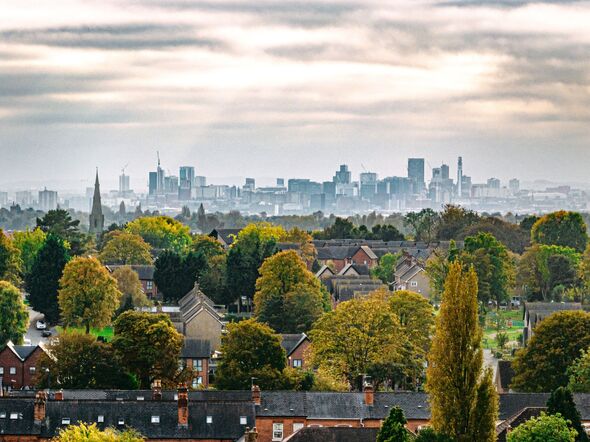
Birmingham had about 1.14 million residents at the time of the 2021 census (Image: Getty)
Birmingham alone grew by about 18% during the same period and population forecasts suggest the city will keep expanding.
Official projections estimate Birmingham could reach around 1.18 million residents by 2028 and around 1.23 million by 2038.
Because the built-up area is already continuous, further growth often means nearby towns become even more connected to the city.
Dudley is one of the best examples. The town has a population of around 79,000 and is often described as the capital of the Black Country.
It is home to attractions such as Dudley Castle, Dudley Zoo and the Black Country Living Museum.
Wednesbury, about eight miles north-west of Birmingham, is another historic market town in the region.
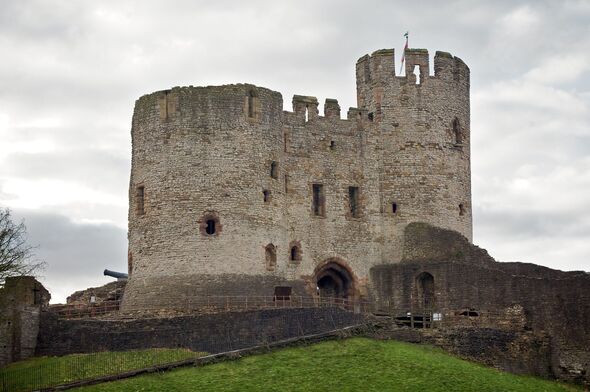
Dudley is often described as the capital of the Black Country and is home to Dudley Castle (Image: Getty)
The town has around 20,300 residents and grew through metalworking and manufacturing industries.
Walsall, just north of Birmingham, also began life as a market town. It later became famous around the world for its leather industry, something that is still celebrated today at the Walsall Leather Museum.
Oldbury, which is now the administrative centre of Sandwell borough, also developed during the region’s industrial boom.
The town grew around metal and chemical industries and sits close to the M5 motorway.
Solihull is slightly different from the other towns surrounding Birmingham.
Located about eight miles south-east of the city, it is known for its suburban feel and relatively affluent communities.
The town has a population of around 126,500 and is home to Jaguar Land Rover’s historic manufacturing base. Much of the borough also remains protected green belt countryside.