
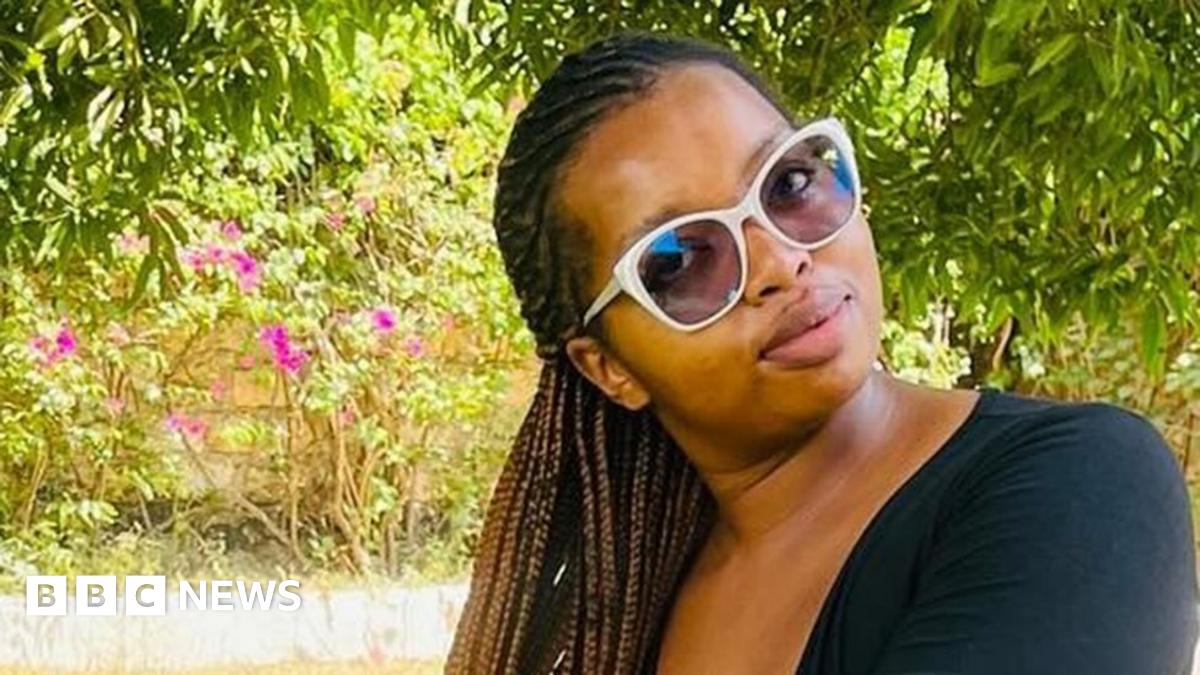
But Dr Alvin Mondoh, a Kenyan weight-management specialist, says “people still do need help” through medical intervention, as weight gain can be caused “by factors beyond your control”.
Yet he warns that there is a growing concern about the use of weight-loss jabs.
“Unfortunately, what we’ve seen in the recent past is a growing trend of people using it for vanity reasons,” he says.
There are risks, especially if someone tries to avoid the certified clinics and licensed medication and gets something cheaper in an unregulated market.
At the Nairobi Bariatric Center, which offers surgery, weight-loss drugs and counselling, packages can cost up to $7,000 (£5,000), a sum far beyond the reach of most Kenyans.
Kuria acknowledges that weight-loss procedures are “very costly” – she has spent about $6,000 on both the drugs and the airsculpt.
And she warns people to be aware of the consequences.
“You will [also] pay the cost of recovery, which is not easy. You will pay the cost of stigma, society stigma. It’s a shortcut that is never short,” she says.
However, she has no regrets.
Mondoh warns that some people’s desperation to lose weight can be exploited by scammers.
Last August, the drugs regulator, the Pharmacy and Poisons Board, issued a public safety alert over the use of weight-loss medicines.
“Semaglutide is a prescription-only medicine and its unsupervised or off-label use may result in serious health concerns,” it said.
One fitness influencer was warned to stop promoting places where his followers could buy the jabs at a cheaper price.
But given the rise in obesity levels in Kenya, the demand for quick ways to lose weight will not go away.