
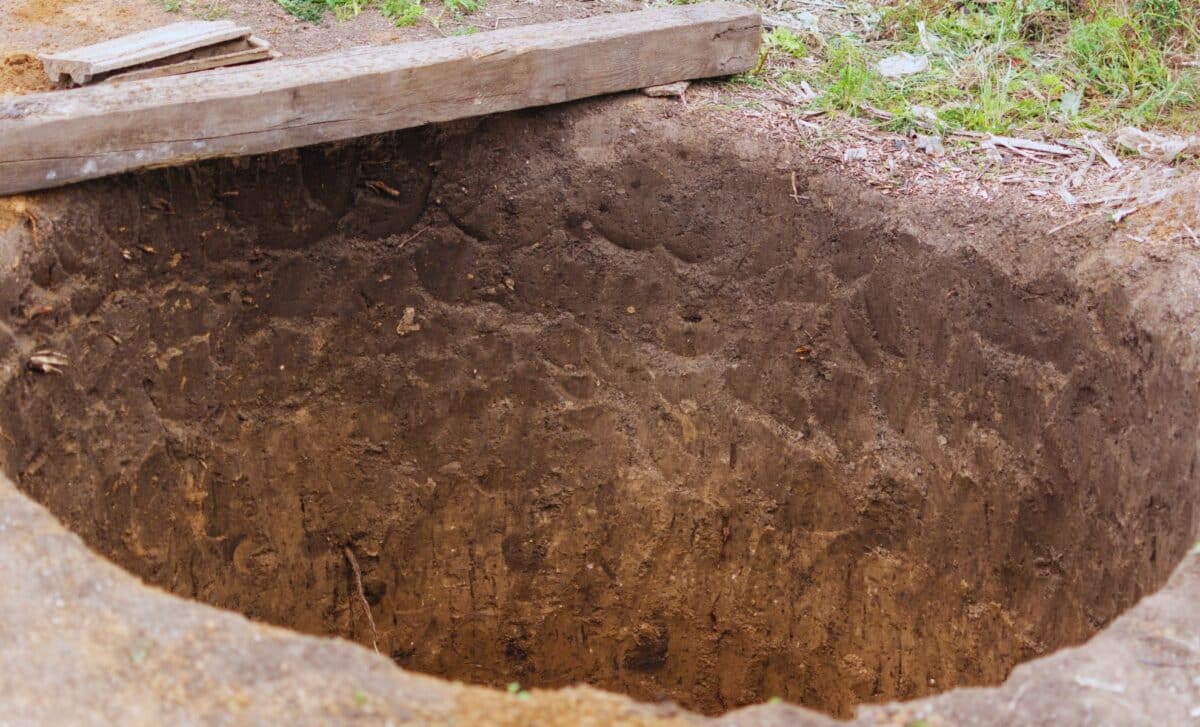
Nearly 700 years after the Black Death, a possible mass grave filled with human remains has been discovered near Erfurt, Germany. While the identity of the pit remains unconfirmed, researchers believe they’ve found one of the 11 famous plague pits mentioned in medieval records. If the theory is proven correct, it would be a groundbreaking archaeological find.
In 1350, thousands of people struck by the Black Death were buried in mass graves around Erfurt, but their exact locations have remained a mystery. Now, a team of researchers believes they’ve pinpointed one of those pits, thanks to a combination of modern technology and historical research.
The Historical Context of the Black Death
The Black Death, which devastated Europe in the 14th century, is one of the deadliest pandemics in history. According to historical records, about 12,000 victims of the plague were buried in mass pits around Erfurt, just outside the city walls. These pits were a direct response to the devastating epidemic, which wiped out half of Europe’s population.
Historians have long known about the existence of these mass graves, but the precise locations remained elusive. Thanks to a combination of modern methods, this research team may have finally located one.
How Researchers Located the Pit
As explained in a study, published in PLOS One, to find the mass grave, the Leipzig University team combined historical research, geophysical surveys, and sediment analysis. Using a technique called electrical resistivity mapping, they were able to scan the ground and detect anomalies that could indicate the presence of a mass grave.
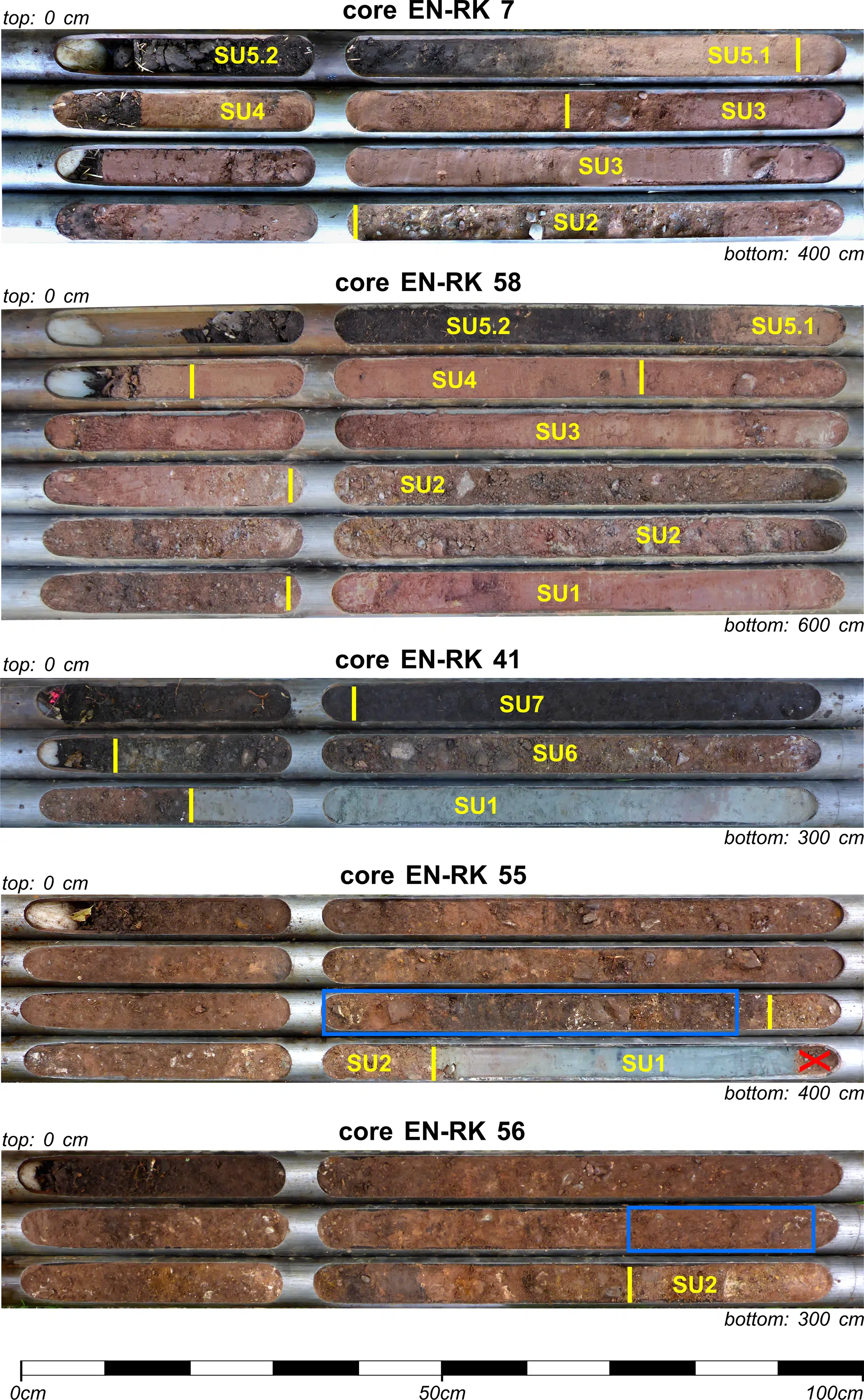 Photographic documentation of typical core sampling sequences. Credit: PLOS One
According to Michael Hein, the lead author of the study, this method allows them to “read the landscape as an archive.” He added that:
“This approach may also help to locate and protect other epidemic- or conflict-related mass graves in the future.”
The site’s location, just outside the deserted medieval village of Neuses, matches burial practices of the time, with human remains found in the massive pit.
What Happens After This Epic Discovery?
Although the discovery hasn’t been fully confirmed by excavation, it could change how scientists approach the search for plague pits and other mass graves. Historically, these sites have been found by chance during construction work. This more systematic approach could help locate other mass graves related to epidemics or conflicts in the future. As Christoph Zielhofer, director of the Historical Anthropospheres research division at LeipzigLab, Leipzig University, stated:
“This discovery is not only of archaeological and historical importance,” he said “It helps us to understand how societies deal with mass mortality and how modern interdisciplinary science can contribute to locating mass graves, topics that remain relevant even in the 21st century.”
While historically significant, the discovery might also unveil new details about how the plague spread and influenced medieval societies. As Martin Bauch, a co-author of the study, pointed out:
“This finding aligns with both modern soil science and the medieval ‘miasma theory,’ which held that diseases spread through ‘bad air’ and ‘vapors’ arising from decaying organic matter.”