
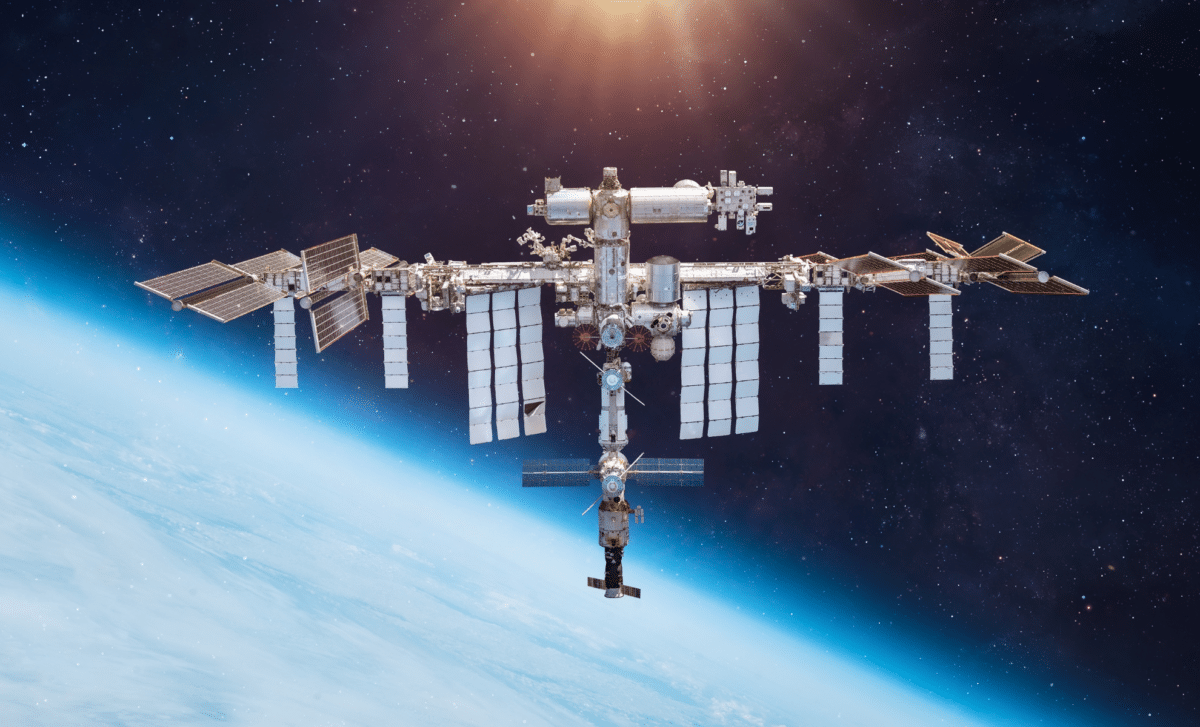
In a bid to extend the life of the International Space Station (ISS) until 2032, Congress aims to ensure the U.S. remains at the forefront of human space exploration. Originally scheduled to retire by 2030, the ISS’s potential extension stems from national security, geopolitical concerns, and the lack of fully operational commercial space stations to take over its role. According to Space.com, this decision reflects the priority placed on preserving U.S. leadership in low Earth orbit (LEO) while the country prepares for more ambitious missions like NASA’s Artemis program. The extension, which has been actively discussed by the U.S. Senate Committee on Commerce, Science, and Transportation, involves a major push to guarantee that the nation’s presence in space remains unchallenged by global competitors, particularly China.
Maintaining U.S. Space Leadership
The United States has long been a leader in space exploration, and maintaining this status in LEO is a strategic goal for the nation’s future. The ISS has been continuously occupied by astronaut crews since November 2000, providing vital scientific research and international cooperation. However, as other nations, notably China, ramp up their space activities, the risk of losing leadership in orbit has become more pronounced. China’s establishment of the Tiangong space station in 2021 and its plan to operate it well into the mid-2030s raises concerns about a possible gap in U.S. leadership.
“The goal of the extension is to avoid a gap in continuous human presence and capabilities in LEO [low Earth orbit], thus avoiding ceding leadership to China before commercial stations are ready,” said the U.S. Senate Committee on Commerce, Science, and Transportation in a summary of the bill.
Extending the ISS’s operation until 2032 ensures that America’s presence remains constant in space, reinforcing its dominance in LEO while also preparing for future ventures beyond.
The strategic importance of keeping the ISS operational until 2032 aligns with broader space policy objectives. As Senator Ted Cruz highlighted during a September hearing, “This is a pivotal moment for our nation’s space program. America must maintain leadership in low Earth orbit while also embarking on a new era of exploration with Artemis.” The extension also reflects the urgency of transitioning from government-run space stations to commercial ones. The ISS’s legacy could therefore serve as a bridge to the next phase of human space exploration.
“Congress to weigh extending space station life, NASA moon base” https://t.co/BI5MRPPNcL
“NASA had planned to retire the ISS, which has been in orbit for more than two decades, by 2030. The proposed extension would set its retirement at 2032.
…. #NASA is funding early company… pic.twitter.com/zsGHB02wRX
— NASA Watch (@NASAWatch) February 27, 2026
The Commercial Space Station Race
While the U.S. government aims to keep the ISS operational, it is also pushing for the development of commercial space stations to take over LEO operations in the near future. NASA has been encouraging private companies to build their own space stations through its Commercial LEO Destinations program. This initiative has already allocated substantial funding to major players in the space industry, including Jeff Bezos’s Blue Origin and Voyager Technologies. These companies, along with others like Axiom Space, are working on plans to build new space stations, such as Orbital Reef and Starlab, that could eventually replace the ISS.
Despite these developments, the Senate committee remains cautious about relying on commercial space stations before they are fully operational.
“When one or more commercial space stations is capable of providing services to the National Aeronautics and Space Administration, the Administrator shall begin the process of an orderly, managed transition of operations from the International Space Station to commercial providers in such a way as to maintain a continuous human presence,” the bill stipulates.
This cautious approach reflects the uncertainty surrounding the readiness of these commercial stations. As such, the extension of the ISS is seen as a necessary measure to avoid any gaps in U.S. space capabilities.
The Role of NASA’s Artemis Program
The extension of the ISS’s operational life ties directly into NASA’s broader goals, particularly the Artemis program, which aims to return astronauts to the Moon and eventually pave the way for human missions to Mars. The ongoing leadership in LEO will support these ambitious goals by maintaining a robust infrastructure for scientific research and international collaboration. According to a press release issued by the Senate science committee, “The lunar base will be capable of long-duration habitation, as well as robotic and human-tended industrial operations to advance science, technology and strategic interests.” This lunar base, a key component of the Artemis mission, is designed to act as a stepping stone to Mars.
By maintaining U.S. leadership in LEO and extending the ISS’s operation, the country ensures that the necessary research and technology advancements continue to fuel the Artemis program and future missions to the Moon and beyond. As the press release adds,
“A sustained human and robotic presence at the lunar base will support priority scientific investigations that lay the foundation for a successful mission to Mars.”
The Budget Battle and Future Investments
Funding for space exploration has been a topic of debate in the U.S. government, and the NASA Authorization bill reflects a commitment to continued investment in space technology. The bill not only advocates for an ISS extension but also includes significant financial support for NASA. It rejects proposed cuts to NASA’s budget and allocates a substantial amount of funding for fiscal years 2026 and 2027. The bill’s focus on maintaining and expanding the U.S. space program underscores the importance of continued investment in space infrastructure to stay ahead of international competitors.
Moreover, the proposed funding is also aimed at advancing the Artemis program and the long-term goals of establishing a sustainable human presence on the Moon and eventually Mars. The alignment of the ISS extension with these broader objectives reflects the integral role of low Earth orbit in future deep-space exploration.