
Live Nation is a giant of live music and sports. In 2025, it organised more than 55,000 concerts worldwide, drawing 159 million attendees.
The firm’s financial results, released last month, showed revenue in 2025 rose to $25.2 billion (£18.7 billionn), up 9% from the previous year, while operating profit jumped by more than 50% to $1.3 billion.
It also holds stakes in 460 venues, and had controlled Ticketmaster, the world’s leading ticket seller, since 2010.
Ticketmaster and Live Nation have repeatedly faced criticism from those who say the firm artificially inflates the cost of tickets with fees and service charges.
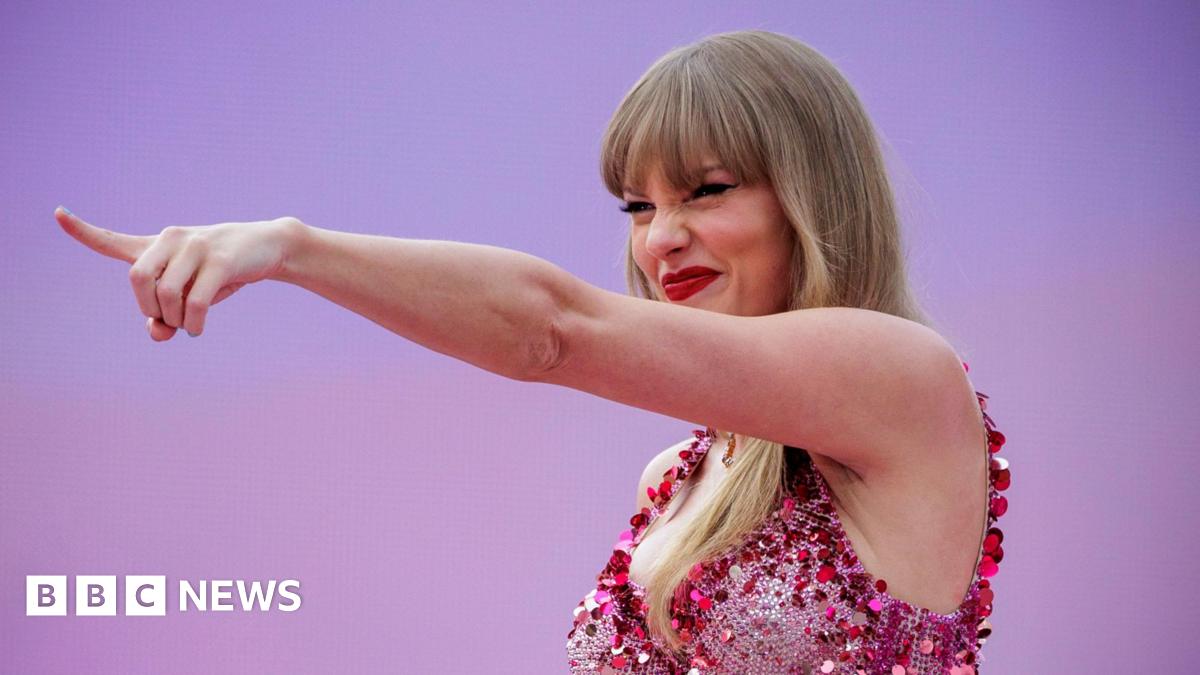
Calls from fans and lawmakers to the companies’ dominance grew louder after the botched sale of tickets for the first leg of Taylor Swift’s Eras Tour in 2022, which saw fans stranded in online queues for hours
Ticketmaster later apologised to Swift and her fans during a US Senate hearing.
In the trial, which started last week, the Justice Department accused Live Nation of abusing its dominant position to pressure artists and venues into signing with it, stifle competition, and impose excessive fees on fans.
The first witness was John Abbamondi, formerly of the Barclays Center arena in Brooklyn, who testified that Live Nation CEO Michael Rapino threatened to divert concerts from his venue after it chose to work with the rival ticket company, Seat Geek.
On a recording of a phone call played in court, Rapino could be heard telling Abbamondi that it would “be a tough time to deliver tickets or concerts, with a new competitor in town”.
Abbamondi testified that he interpreted that statement as a threat, and that Live Nation followed through by moving shows away from Barclays.
Live Nation denied the call constituted a threat and said the venue became less popular after a rival arena opened nearby.
The company had previously argued that the government’s case misunderstood the complexities of the live event sector.
It says that artists and their management are ultimately responsible for setting ticket prices; and that venues, not Ticketmaster, receive the bulk of fees added to ticket prices.
However, for many shows in the US, Live Nation may own the venue or act as the artist’s management.
Shares in the California-based company rose by about 6% following news of the proposed settlement.