
There’s a popular massage chain whose signboards declare, “All we have is now.” Sometimes that might be all the marketing that’s needed to convince someone to take the 50 minutes or so they need for themselves. After all, a massage is one of the most basic wellness tools that people reach for.
But this post isn’t about massages. This is about how communities can benefit from keeping themselves in the present tense.
Migrant Rights: Maitet’s Story
Maitet Ledesma is a community-based, global human rights defender. For more than three decades, she has been a pillar of the migrant rights movement in Europe, championing the dignity of Filipino workers and advocating for systemic change in the Philippines from the diaspora. She has just come from protesting former Philippine President Duterte, who is at the Hague awaiting trial. It’s important for her to be active in the community, even for issues rooted in the Philippines.
“The struggle of the migrant is inseparable from the struggle of the people back home. We carry our country in our suitcases.” Maitet says, “Many migrants are thinking about what and who they left behind and the overwhelming longing to be somewhere else. Thinking about the debts to pay, putting children through school, repairing your house, covering hospital bills… this long to-do list is also overwhelming, so I remind them to bring their attention to where they are right now. Right now is where you have control and what you can engage with.”
This day-by-day approach is nothing new. In the traditional well-being movement, it’s been labeled as “mindfulness.” Mindfulness is the ability to be aware and accepting of the present moment, observing thoughts and feelings without judgment. It sounds easier than it is to practice, but meditation, grounding exercises, and even walking reorient people to the moment they are in. However, critics point out that “mainstream mindfulness” can sometimes ignore social and historical contexts—even the realities of marginalized communities (Fleming et. al., 2022). If this occurs, it can be detrimental to overall community well-being.
Mindfulness Is a Community Activity
“Social mindfulness” is a type of mindfulness that communities can practice through first being aware of how words and actions impact others through a process of deep listening and a conscious effort to decrease implicit bias. Lawyer and scholar Rhonda Magee (2019) states:
“You have to reject the temptation to normalize racism, or to bypass it. Instead—you have to find ways to stay in the complex struggle for multiracial, democratic justice—in fellowship with others. We have to do it together so that we actually lessen racism’s many impacts on you and others.”
The importance of understanding complex contexts helps explain the present. Deeply listening to others’ experiences ensures that groups take everyone’s perspective into account without judgment—essential for empathy but also to explain or resolve conflicts that communities are currently facing.
“Collective mindfulness” is another practice that can help groups and organizations to support people through unexpected challenges (Oliver et. al., 2017). A Baltimore-based organization teaches mindfulness moments to children in schools so that they can teach their families, who can teach their neighbors, and so on. The belief is that they will be able to increase community resiliency in this way through shared knowledge and practices.
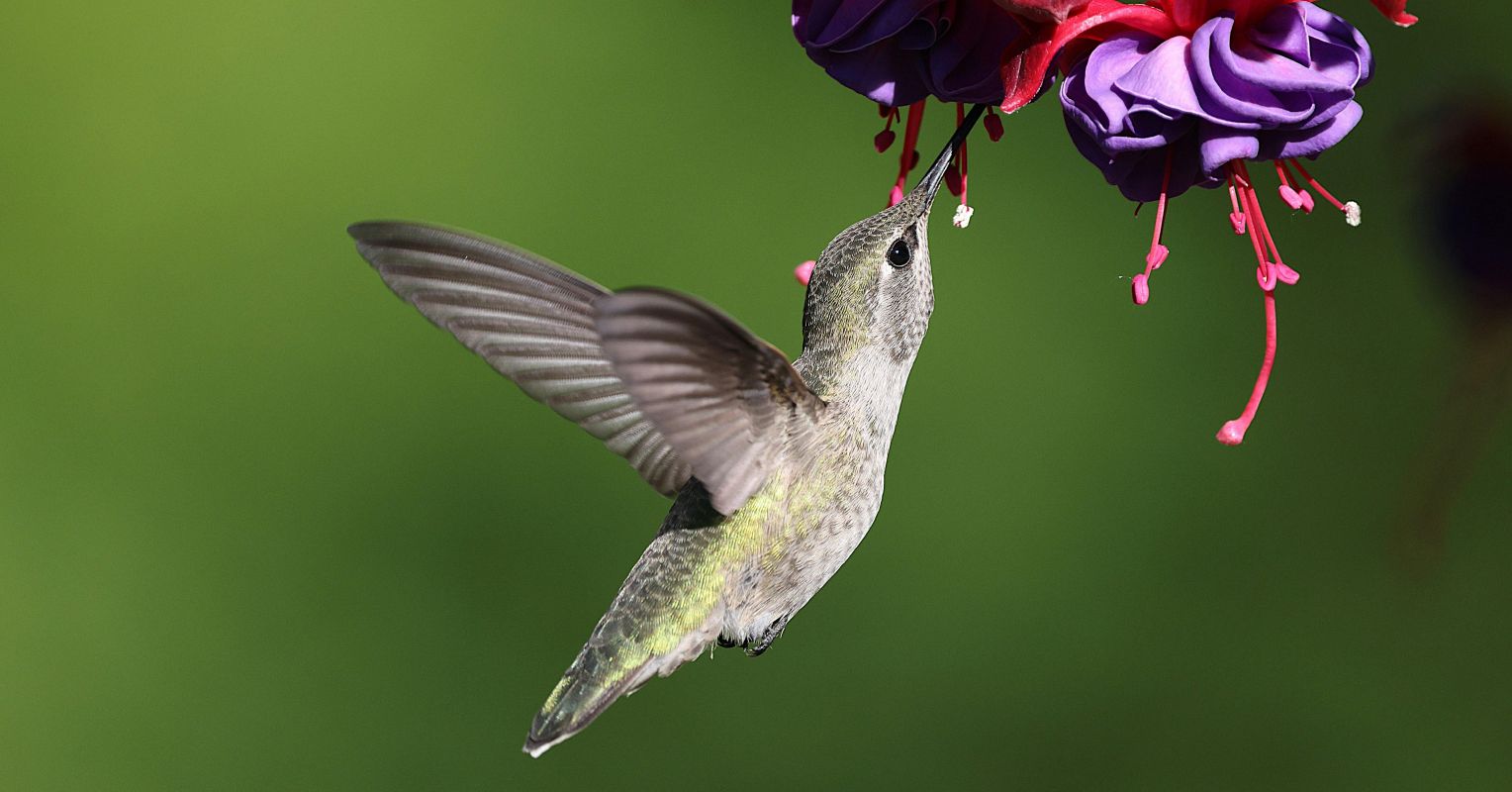
This is sometimes known as the “hummingbird effect,” where small-scale actions can affect larger systems. Nobel Peace Prize winner Wangari Maathai tells the parable of a hummingbird who tries to help put out a fire one drop of water at a time. Maathai finishes with, “I will be a hummingbird, I will do the best I can” in hopes it inspires or models for others that they can do the same.
Research from Weick et. al. (2007) supports this idea: In their study, they identified what they call “high reliability organizations” that excel at bouncing back from challenges. Wang et. al. (2021) found that collective mindfulness was a significant behavior to predict the success of organizational resilience in megaprojects as preparation is essential, but what is more important is the readiness to come together to handle what is happening in the moment.
Mindfulness Essential Reads
Embodied Communities
One aspect of community mindfulness is as a foundation for building trauma-resilient communities. These communities go beyond the notion of “safe spaces” and include frameworks of restorative justice, building mutual aid, and moving toward healing.
Specifically, practices such as identifying physical reactions and emotional responses can be addressed through embodied activities. For instance, in Maitet’s work, she often infuses gatherings with Shibashi, a modern routine that blends Tai Chi movements with Quigong breathing. Shibashi brings migrant workers together to help them manage their cortisol. In their demanding jobs, this also helps manage physical stress or injuries. Also, by moving together, there is an experience of shared flow and energy.
Melissa Glaser, director of the Newtown Recovery and Resiliency Team following the Sandy Hook School Shooting in 2014, emphasizes the importance not just of preparedness but of helping everyone in the community understand the role of trauma and that, to heal from it, many mindfulness practices are put into action. Glaser believes the process of learning together in real time brings resiliency to the community, creating “immeasurable relief and hope.”
Hope Is Fuel
Hope also reverberates as Maitet’s story continues:
“Everyone in the communities have different stories and reasons they are migrants in the diaspora, but one thing that is the same is that they all leave their home country because they have hope that they can provide a better life for their families so I bring it back to that because this hope is what fuels their resilience. Focus on what is in front of us. What needs to be done today? What capacity do you have today? Where is your hope leading you in this moment?”
Ordinary Magic in Action
Begin (or conclude) a group, community, or organizational meeting with a grounding exercise. This could be a guided meditation, box breathing, or journal writing. You can also do a “cultural grounding” exercise that taps into a community’s unique history, rituals, or traditions.
During a community event, integrate 15-20 minutes of Shibashi movement to help participants reset, generate energy, and feel interconnected with one another. This act of collective mindfulness is also an embodied practice, which may be more comfortable with communities who might not be comfortable speaking directly about challenges or traumatic events.
Host or participate in a Radical Listening Circle where each person gets a chance to speak and/or tell their story. Instead of responding to what is said right away, participants are asked to reflect (and discuss) how the speaker’s story made them feel, what resonated, and what their automatic reaction was (i.e., desire to fix or judge). This exercise helps to increase interpersonal synchronization and social mindfulness.