
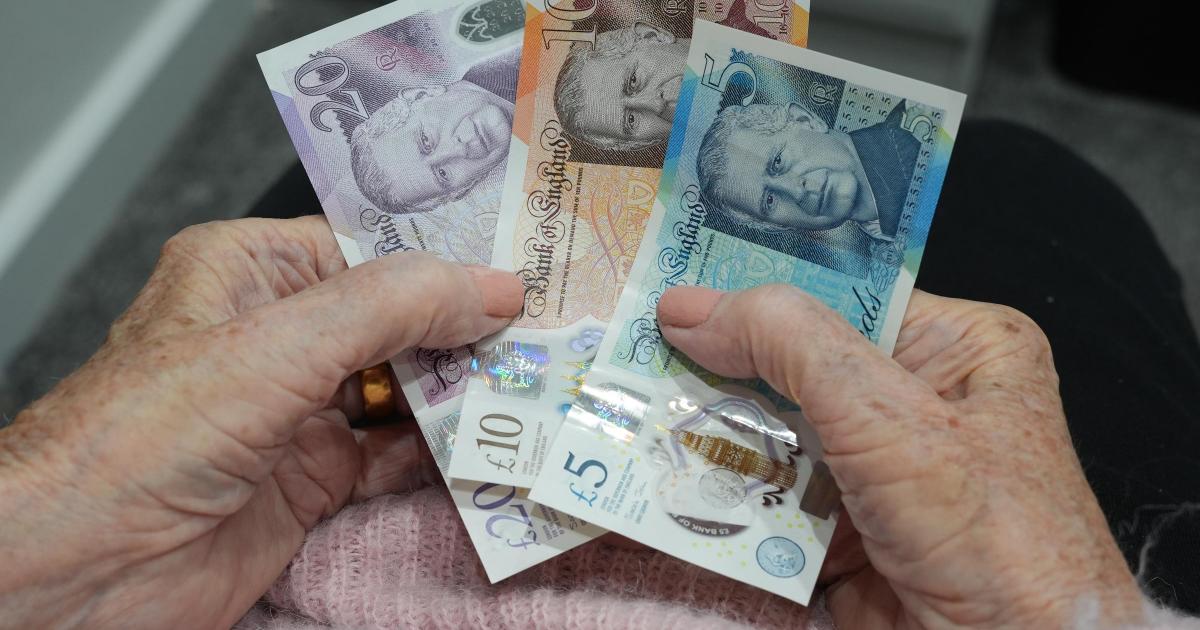
The updated figures reveal how much people could receive each week or month depending on their circumstances, with some of the biggest changes affecting pensioners, carers and people on disability benefits.
Below is a breakdown of the key changes that could affect millions of claimants.
State Pension to rise again
The full new State Pension will increase from £230.25 to £241.30 a week in 2026/27.
That’s an increase of more than £11 a week, or roughly £572 a year, for those receiving the full amount.
For those on the basic State Pension, the rate rises from £176.45 to £184.90 a week.
These increases follow the continued application of the government’s “triple lock” approach, which raises pensions based on inflation, wage growth or 2.5% — whichever is highest.
Universal Credit payments increasing
People claiming Universal Credit will also see higher monthly payments.
The standard allowance will rise to:
£338.58 a month for single people under 25 (up from £316.98)
£424.90 a month for single claimants aged 25 or over (up from £400.14)
£666.97 a month for couples where one or both partners are 25+ (up from £628.10)
Additional elements are also increasing, including payments for children, carers and disabled claimants.
For example:
The carer element rises to £209.34 a month
The higher disabled child addition rises to £514.71 a month
However, one controversial change means the Limited Capability for Work and Work-Related Activity (LCWRA) amount for some new claimants will drop significantly to £217.26, although existing claimants and those with severe conditions will still receive around £429.80.
Child Benefit increases
The payments are currently worth £26.05 a week for the first child and £17.25 for each additional child, paid by HM Revenue and Customs.
And from April 2026, the weekly rate for the eldest child will rise to £27 after the government confirmed a 3.8% increase in line with inflation.
Don’t miss out on Child Benefit! 👪
Over 1.4 million parents and carers have claimed Child Benefit online
💷 £26.05/week for your first child
➕ £17.25/week for each additional child
✅ Plus National Insurance credits towards your State Pension
Claim today via the… pic.twitter.com/s6qp9kpGdM
— HM Revenue & Customs (@HMRCgovuk) March 5, 2026
Officials are encouraging parents to apply through the HMRC app or online to avoid missing out on the support.
A spokesperson for HM Revenue and Customs said:
“Over 1.4 million parents and carers have already claimed Child Benefit online. If you’re responsible for bringing up a child, check if you’re eligible and make a claim today.”
Disability benefits also rising
People receiving disability support will see weekly payments increase.
For Personal Independence Payment (PIP):
Daily living component:
Standard rate: £76.70 (up from £73.90)
Enhanced rate: £114.60 (up from £110.40)
Mobility component:
Standard: £30.30
Enhanced: £80.00
Meanwhile Attendance Allowance will increase to:
£114.60 a week (higher rate)
£76.70 a week (lower rate)
These benefits are designed to help with the extra costs of living with long-term illness or disability.
Carer’s Allowance increase confirmed
Unpaid carers will also receive a boost.
Carer’s Allowance will rise from £83.30 to £86.45 a week.
The earnings limit — the maximum someone can earn while still claiming — will increase from £196 to £204 a week.
Statutory pay rates rising
Several statutory payments tied to work and family leave will also increase.
The standard weekly rate for payments including:
Statutory Maternity Pay
Statutory Paternity Pay
Statutory Adoption Pay
Shared Parental Pay
will rise from £187.18 to £194.32 a week.
Statutory Sick Pay will increase to £123.25 a week, up from £118.75.
Benefit cap remains frozen
While many payments are rising, the benefit cap – which limits the total amount a household can receive – will remain unchanged.
For households outside London the cap stays at:
£22,020 a year for couples or single parents
£14,753 a year for single adults without children
In Greater London the limits remain:
£25,323 a year for couples or single parents
£16,967 a year for single adults without children
Because the cap is frozen while benefits rise, some households could still see their payments restricted.
Pension Credit also increasing
Pension Credit, which tops up the income of low-income pensioners, is also rising.
The minimum guarantee will increase to:
£238 a week for single pensioners
£363.25 a week for couples
This benefit can also unlock additional support such as help with housing costs and council tax.
Recommended reading:
For many people, the increases will provide a modest boost to incomes during the ongoing cost-of-living pressure.
However, analysts note that frozen limits like the benefit cap and changes to some Universal Credit elements mean the impact will vary widely depending on a household’s circumstances.
Claimants will start receiving the updated amounts from April 2026, when the new financial year begins.