

Analysis locally has identified that first use often occurs between 14 and 16
Ketamine use across Liverpool is “concerning” health officials(Image: GM Trends)
People trying ketamine for the first time in Liverpool are as young as 14, with action being taken now to prevent escalation. Liverpool Council has launched a new action plan to tackle ketamine-related harms across the city, focusing on prevention, early intervention, and supporting families and young people.
Ketamine use is an emerging and complex issue for the city. Although overall treatment numbers remain lower than for some other substances, the severity of harms associated with ketamine, particularly bladder and urinary damage, has highlighted the need to shift towards prevention and early intervention of harm.
Analysis locally has identified that first use often occurs between 14 and 16, and families frequently report uncertainty about warning signs or where to find support. Unlike other substances where established pathways already exist, ketamine presents further challenges such as patterns of use, rapid escalation, and serious physical harms, which are different to other drugs.
Nationally, ketamine availability and use have been reported as growing concerns, with increasing treatment presentations and health complications in several areas. While the frequency of use remains lower than for some other substances, ketamine can cause serious and fast-developing harms, particularly among younger people.
Without a specific, focused plan, these harms risk being lost within broader drug strategies, meaning opportunities for timely intervention could be missed. Liverpool’s action plan aligns with national priorities on drug harm reduction and public health, contributing local learning to wider evidence and policy discussions.
Professor Matthew Ashton, Liverpool’s director of public health,said: “Behind the statistics are real people. Liverpool is taking a proactive, prevention-led approach grounded in public health principles.
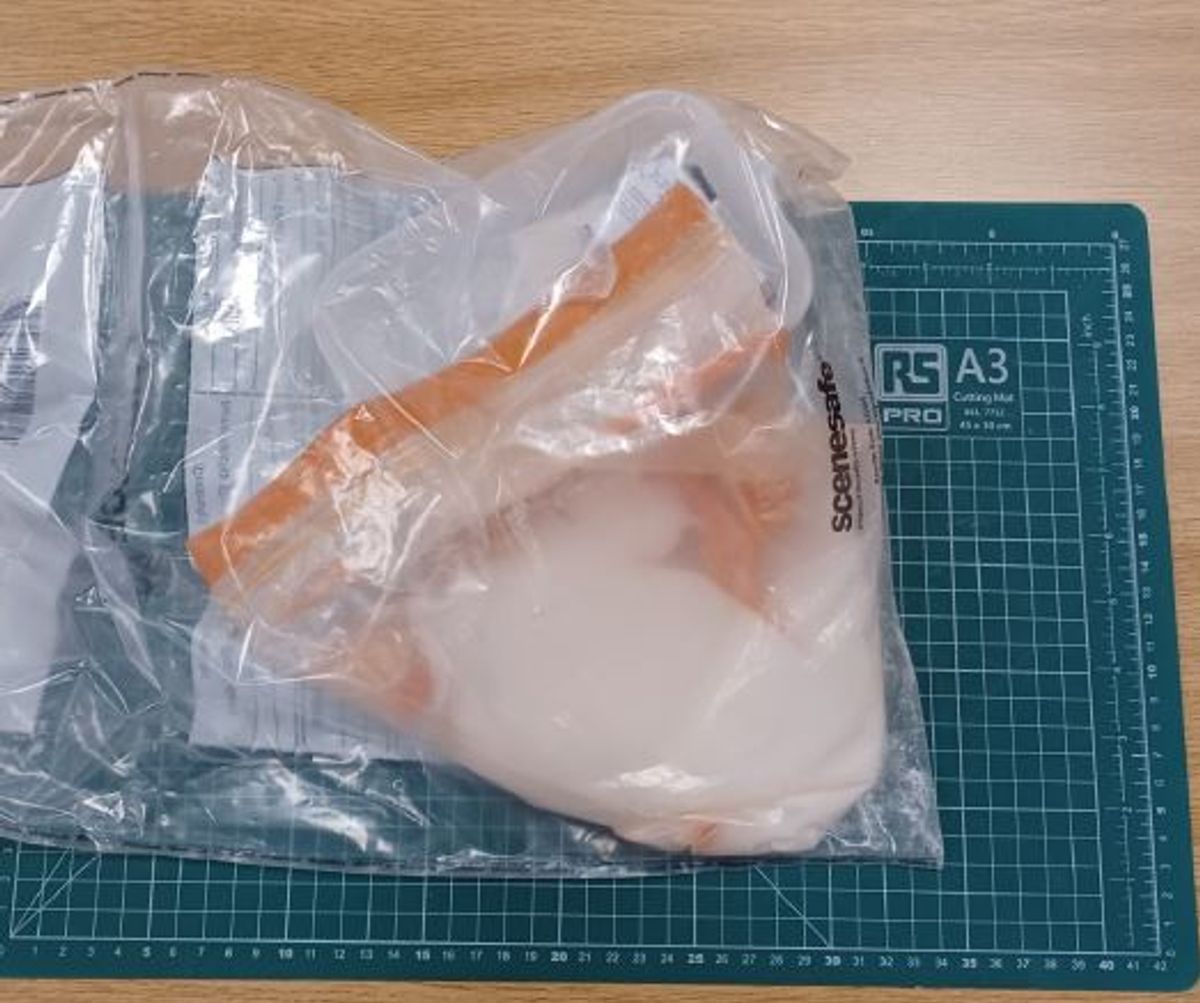
Suspected ketamine recovered by police(Image: Merseyside Police)
“The Liverpool Combatting Drugs Partnership (CDP) has recognised the growing concern related to ketamine use in Liverpool and has led collaborative work to develop a co-ordinated response and will oversee the delivery of this action plan. By combining local insights, lived experience, and clinical expertise, we aim to reduce harm and improve outcomes.”
The city’s plan, launched today, ensures a citywide, coordinated response that puts communities and families at the heart of the work. The plan is delivered through strong partnerships, bringing together public health, schools, youth services, healthcare providers, police, treatment services and community organisations.
It builds on work already underway across Liverpool, including ketamine awareness drop-ins, more than 1,000 professionals trained by RIVER Drug and Alcohol Service, peer support groups established by Lifeboat, and joint safeguarding and county lines interventions with Merseyside Police and Catch22.
Rachel Fance, Service Manager, River – Liverpool Drug and Alcohol Services, said: “We are a free and confidential service for people of all ages in Liverpool who are experiencing difficulties with substances. We believe everyone has the ability to make positive changes.
“We work with individuals, families, carers, and professionals to offer support that’s right for them. We’re hearing from young people who are worried about ketamine, parents who feel unsure what to do, and professionals who want clearer guidance.
“This action plan gives us a shared framework to respond. At River, our focus is on being approachable, nonjudgemental, and there when people need us, whether that’s for harm reduction advice, clinical support, or just a safe space to talk.”
The Reducing Ketamine Harms Action Plan sets out a clear framework for awareness campaigns, school engagement, peer-led support, strengthened treatment pathways, safeguarding work, and coordinated monitoring to track impact and improve outcomes.
It is part of the wider Liverpool Combatting Drugs Partnership approach, which delivers the Government’s From Harm to Hope strategy locally.