
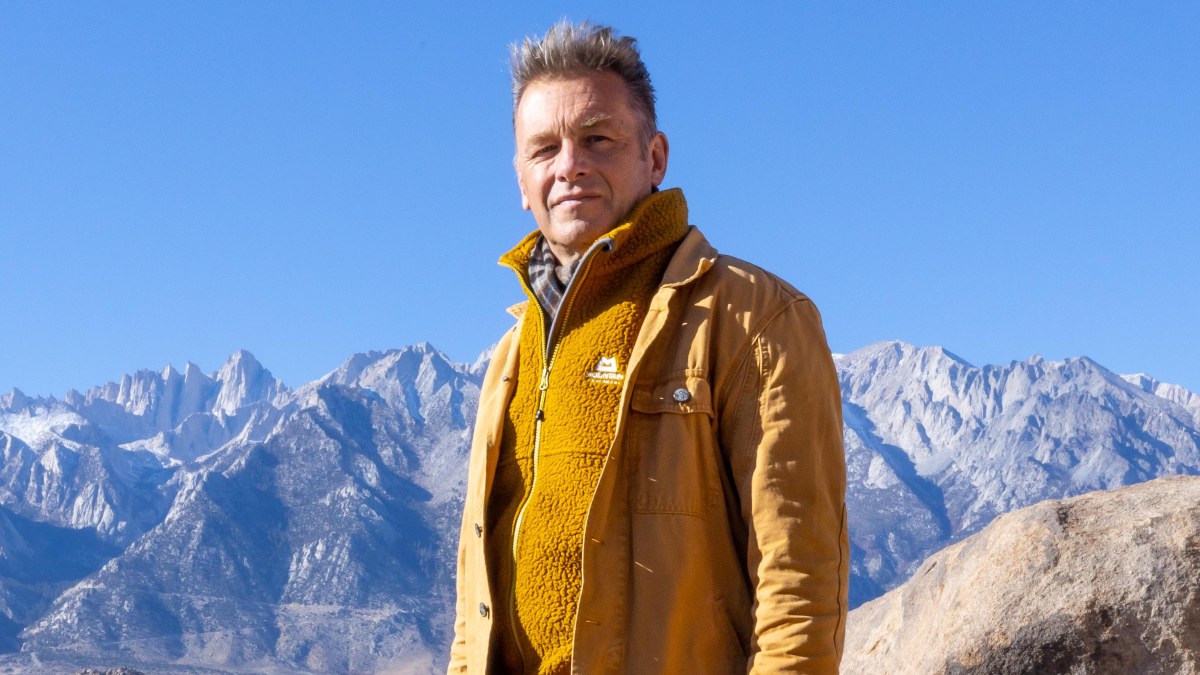
Chris Packham has never lacked courage, but the potentially dangerous creatures he has made a career of taking on have generally been human ones: irate gamekeepers he calls out for killing his beloved birds of prey; fox hunters flouting the law; field sports enthusiasts who recognise, rightly, that here is their No 1 adversary, and who I’ve heard spit out the very word “Packham” as an expletive.
So forthright has the broadcaster been in the cause of conservation that he has regularly received death threats and endured vandalism at his home in the New Forest. His new exhibition of his wildlife photography, however, showcases the risks he is willing to face from some of the world’s other fearsome beasts, such as lions and buffaloes, on their own turf in Africa. Closer to home, his work brings out the singular personality of the 64-year-old, who has spoken frequently of his autism, which is characterised by obsession and control. More of that later.
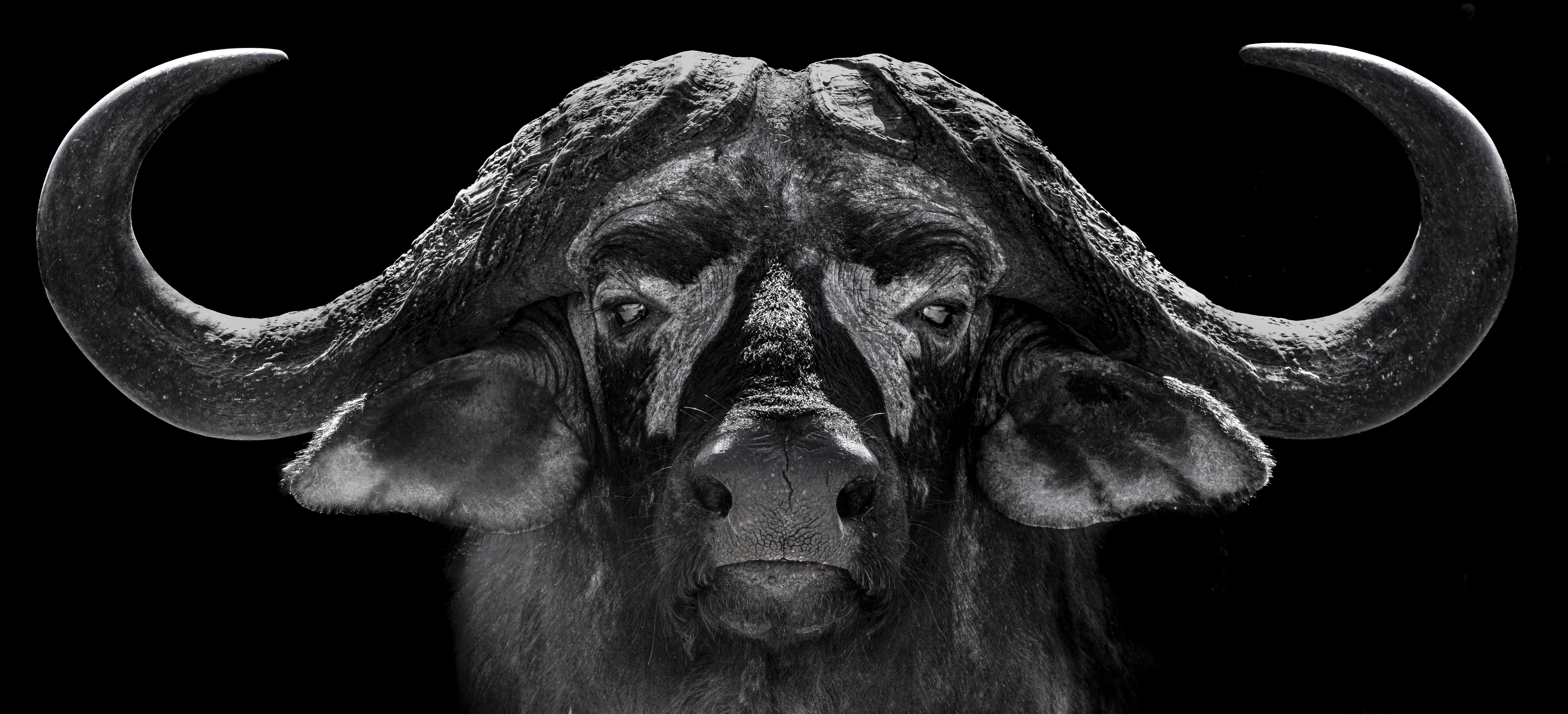
The first picture you now see on entering Piccadilly’s Iconic Images Gallery, better known for the celebrity shots of Terry O’Neill and Eve Arnold, is of the head of an African buffalo, its horns ridged and rutted as if carved from prehistoric wood, its ancient eyes staring imperiously into Packham’s lens in Kicheche in the Masai Mara, Kenya. Such animals, weighing up to 2,000lb and fast over a short distance, are known to be aggressive. There’s a debate over whether they outrank the hippopotamus as the continent’s most prolific killer of people. This fella certainly doesn’t look especially thrilled by what he’s seeing.
Having originally trained as a TV wildlife cameraman, Packham clearly knows exactly what he’s doing. That said, he isn’t bothered about realism, or zoological exactitude, or disinterestedly documenting nature. “I haven’t got time for that,” he says. “I’ve no interest in roaming around on safari for two weeks to see what I could get. It never works as a composition. You always get a stray antler, or a tail coming out of a nose.”
The way he works is to first imagine the picture he wants to create, sometimes years before he captures it, then create a piece of art, polished and fully controlled by him, out of the inhabitants of the natural world. He is happy to use a bit of trickery to lure his subjects towards his lens, then rely on technical manipulation afterwards to achieve his desired effect.
• Chris Packham: ‘My dogs saved my life. I want to be buried with them’
But for all the post-production ingenuity available, you still first have to be there, get up close and personal, hold your nerve and press the shutter.
How far away was it, I ask. “Oh, from here to about there,” he says, indicating a classic Freddie Mercury portrait 20ft away. “They won’t charge a vehicle unless they get spooked. This one was just curious. If they do charge I’m told the best thing, if you can’t get up a tree, is to lie on the ground. You might get stomped but if you run, it’ll catch you.”
We move on to an image of four elephants — bull, cow and two calves — taken at sunset at their watering hole in Botswana. Packham spent an hour or more lying in shallow water, seeking the perfect reflection in its surface, to nail this shot. Again, he had it all planned out. “I spend hours looking through thousands of pictures of elephants online because I’m not interested in taking somebody else’s photo,” he says.

Rorschach Family
CHRIS PACKHAM
Elephants are dangerous and, as Brooklyn Beckham infamously noted, so hard to photograph. How far away was this little (but very big) family? This time he uses Jimi Hendrix as a measure. Hendrix too is about 20ft away.
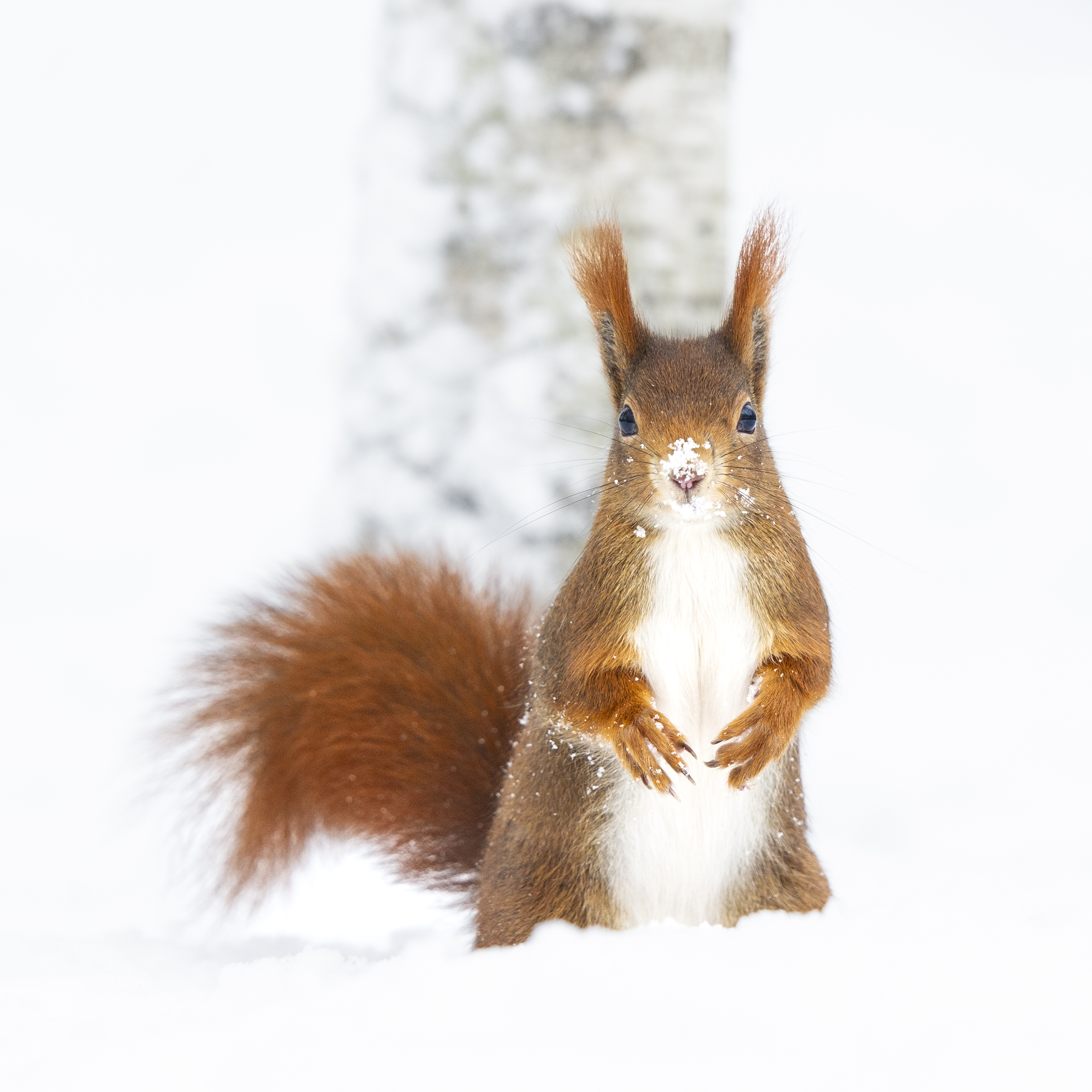
We pass by a shot of a squirrel in the snow, pausing only to snigger at Packham’s title: Frozen Nuts. Don’t think I didn’t appreciate that, Chris, I tell him. “Cheers, mate,” he replies.
Moving on, we arrive at a lion that, like the buffalo, is staring balefully into the camera.
“I’d been charged by lions repeatedly in South Africa,” he confides, “so I said to Charlotte, ‘I want to photograph a charging lion.’” Charlotte is Charlotte Corney, Packham’s partner, a zookeeper on the Isle of Wight. They’ve been together many years but live separately. Packham has been a loner since boyhood, generally preferring his own company and the natural world to the human, cultivating his various obsessions: photography, punk rock, cinema, sculpture, design. And, I think, fashion. Today he is as meticulously co-ordinated as ever in bright, smart-casual gear.
“Lions don’t usually charge you, they’re scared of you, but we found this huge enclosure in southern Namibia where they had lions that had killed people,” he says. “They said, ‘Yeah, they’ll charge, but only once or twice. Once they haven’t killed you, they get frustrated.’
“So you go into the compound, and I’ve got to kneel down, which is bonkers, but I want to get eye level. The lions come out, and they charge straight away, bombing at you quite fast. Then they stop just about there.” (Mick Jagger, 5ft away.)
Eh? And you stay put? Aren’t you just, er, crapping yourself? “No, not really. If you don’t run, the chances of them doing anything are really slim.”
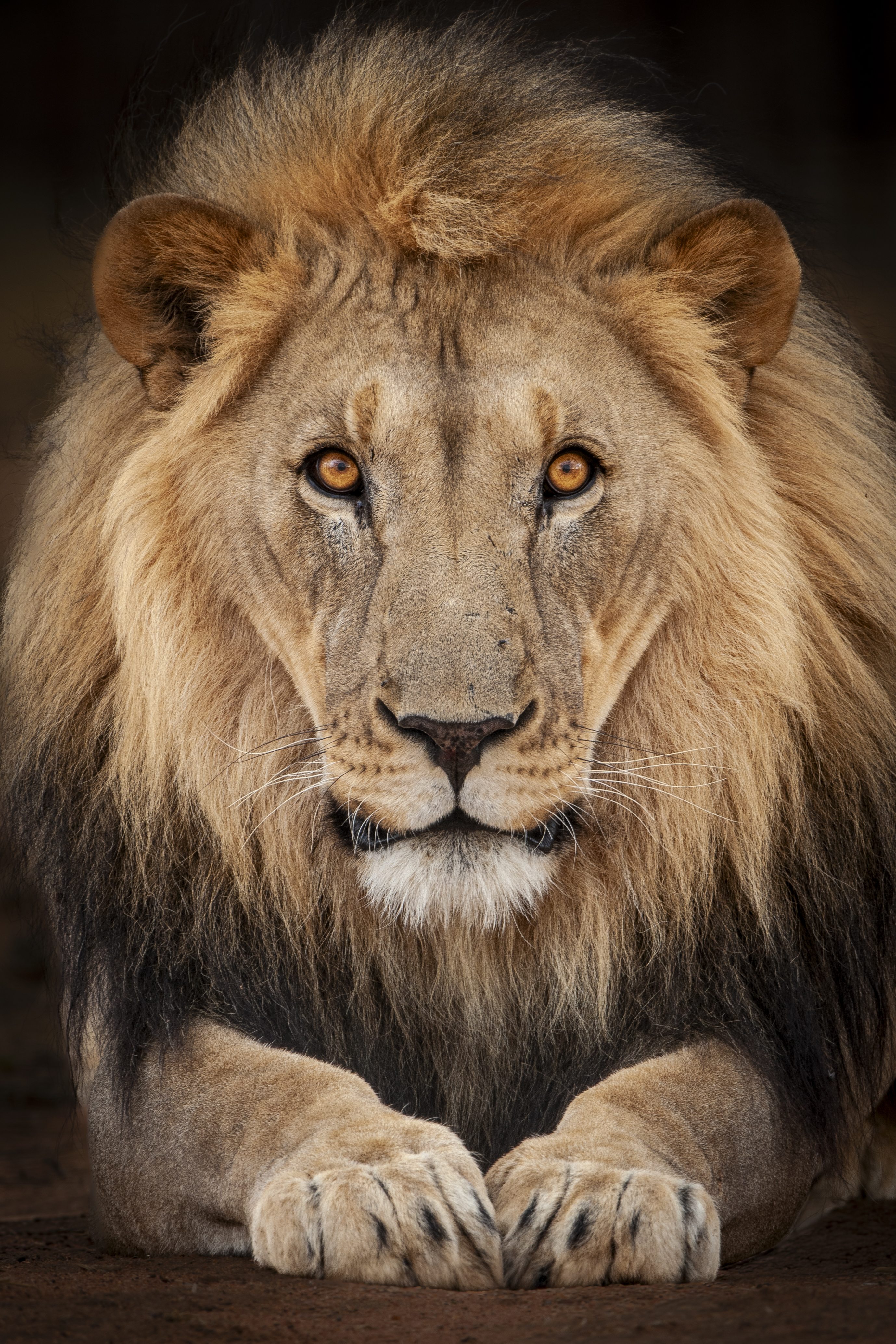
But every instinct in your body is saying run, right? “Well, no, I’m thinking about taking the photo. And then they go really frothy. And then they go and sit down and just look at you like that.” This, he says, is an instinctive thing. “Basically, their prey runs. So if you’re not running you might be a problem for them.”
Away from this side project Packham has been as busy as ever, presenting Springwatch and its spin-offs, producing books, campaigning relentlessly on behalf of myriad conservation groups, travelling the world for business and pleasure. “I’ve also just made a film about parakeets in England,” he says. He was delighted with the recent Green by-election victory. “Zack [Polanski] and I have been communicating.” He’s also close to Ed Miliband, the government’s chief net zero advocate. “Anything that’s not Reform, I’m happy with. [Richard] Tice has already said, ‘If you’re in renewables, we’re coming for you.’ I mean, look at what’s happened in America. All the environmental stuff, it’s just gone. The fabric’s gone. The scientists are gone. The research stations are shut down. The satellites have been pulled offline. And they’d do the same here.”
• Chris Packham joins protest over Sea Life penguins ‘kept in the dark’
Back in Piccadilly, moving closer to home, I admire a delightful shot (cute, bit cheesy but who cares?) of a fox curled up in the snow, its snout buried in its curled tail. Foxes are Packham’s favourite mammal. He photographed this one in his back garden in 2010 “when we still got snow” and it is the oldest picture in the exhibition. “Beautiful, aren’t they? It’s got all that soft light bouncing back off. It’s picking up all the details. Snow’s great to photograph in.” That remark is a reminder that Packham is more than an enthusiastic amateur. As a young man, working with his sister Jenny, now a celebrated fashion designer, he had pictures published in Vogue.
Taking a short avian detour, we see pictures of a swan, an arctic tern and an owl. He has titled these images with names of screen icons: Audrey Hepburn, Grace Kelly, Bette Davis. They speak to the title of the exhibition: More Beautiful Than You.
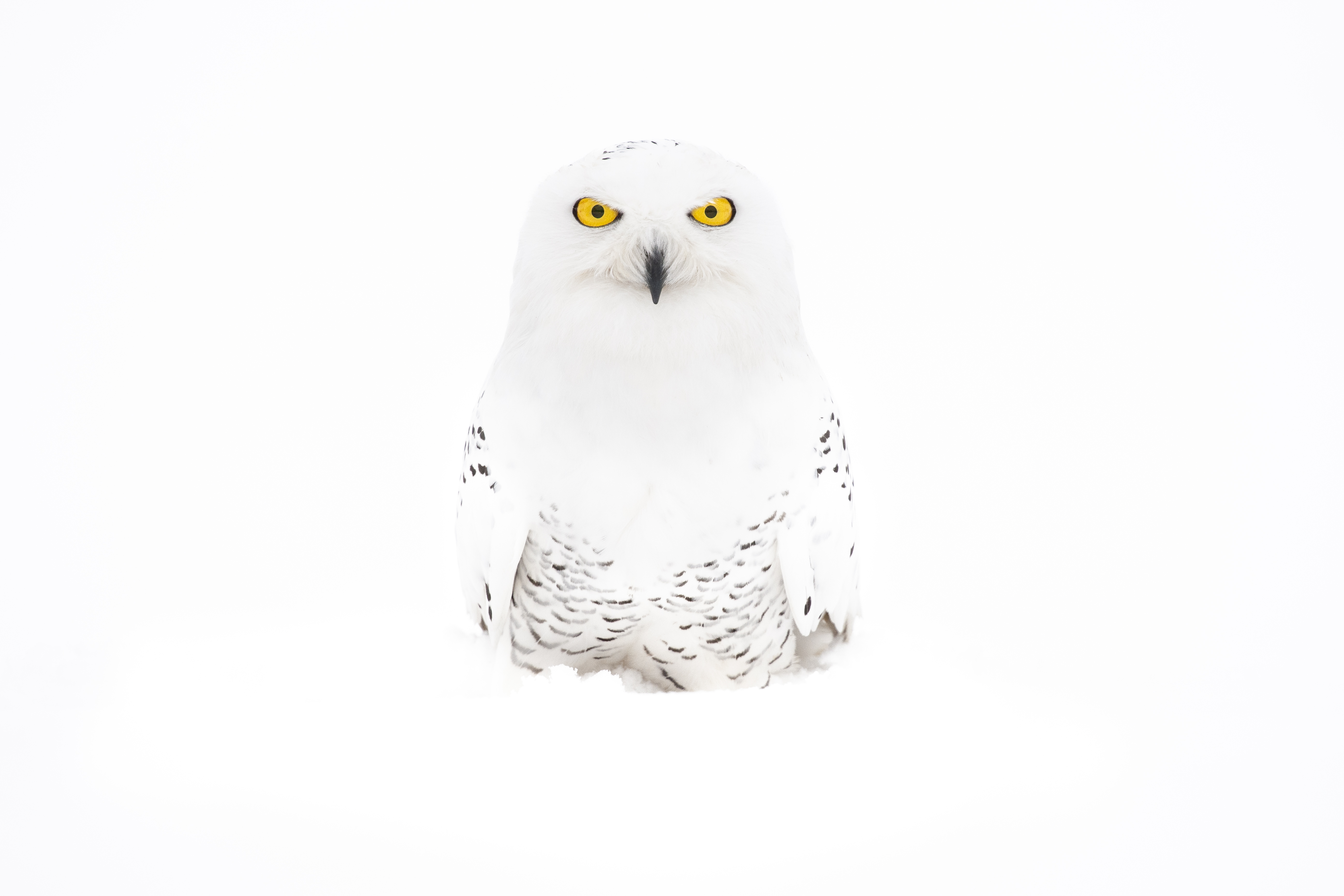
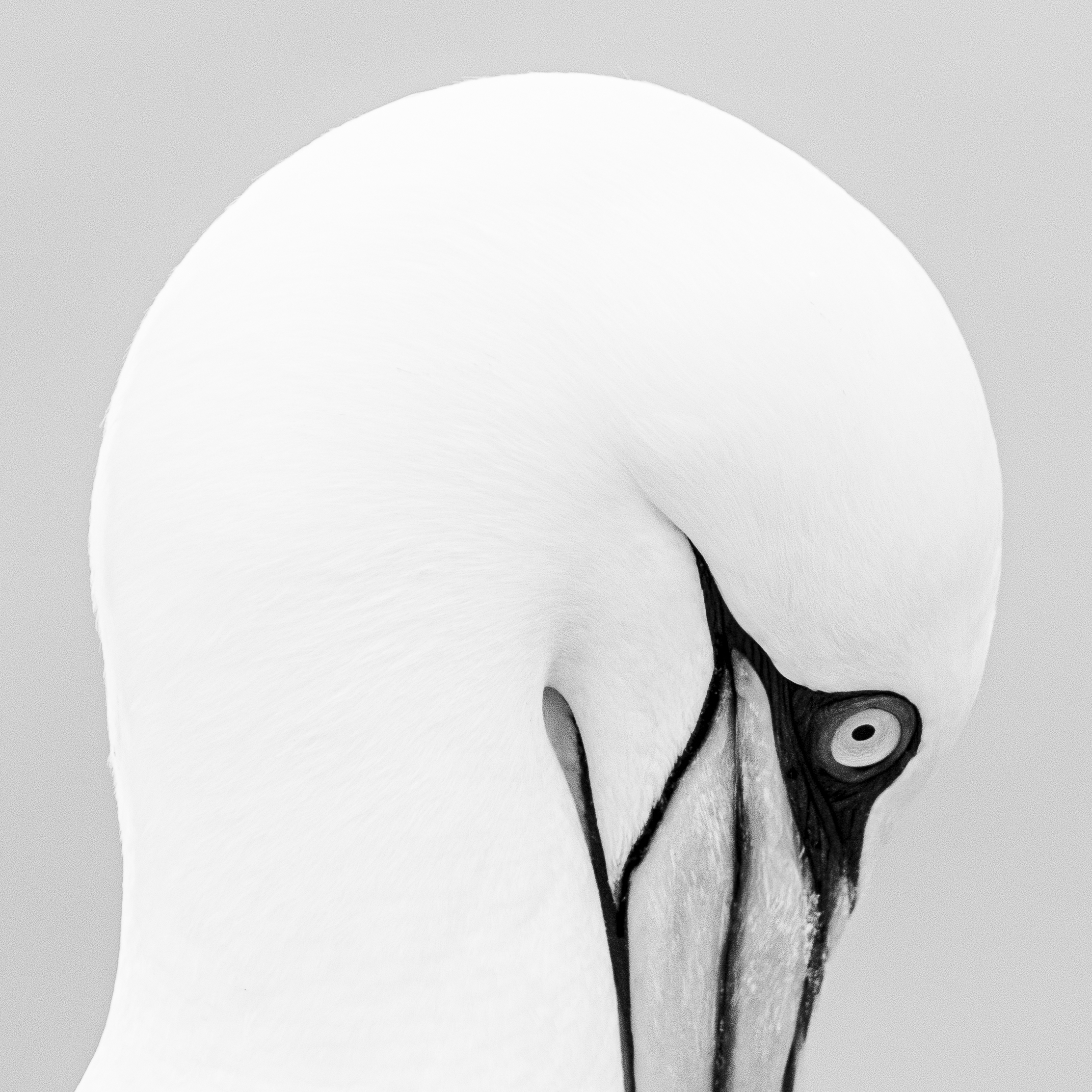
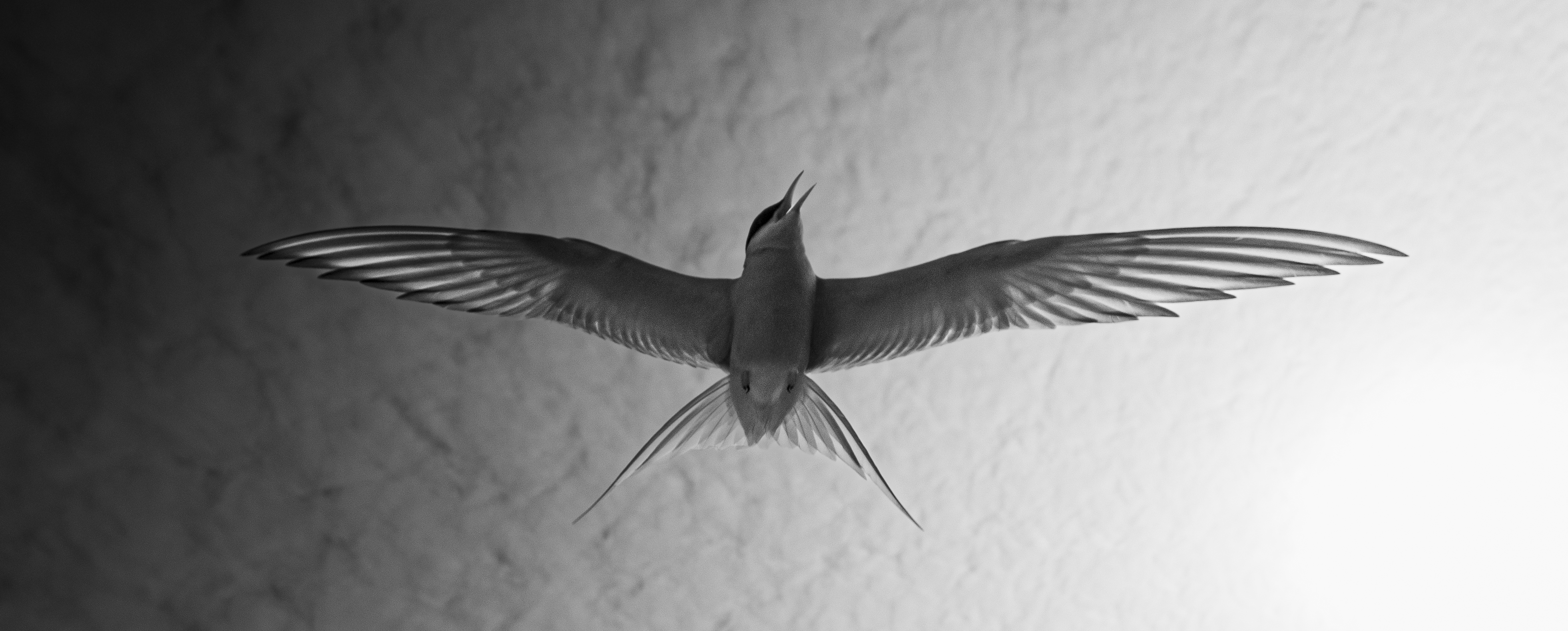
Audrey Hepburn
CHRIS PACKHAM
“I’m saying, this is Grace Kelly, this is Audrey Hepburn, they’re sensational, but are they more beautiful than the swan? The tern?” We then take in pictures of the actual Hepburn, the Norman Parkinson portrait, plus one of Faye Dunaway, plus O’Neill’s apparently still scandalous shot of a crucified Raquel Welch in her One Million Years BC fur bikini. “They had to take that out of the window display because people complained,” Packham says.
It’s possible there may also be mutterings about On the Earthy Bed Beneath the Beech, which depicts another fox curled, apparently asleep, between the roots of a tree. The animal is, in fact, dead. Packham had collected its body as roadkill near his home and kept it in one of his many freezers for years, along with various other cadavers. “Woodpeckers, herons, storks, a badger, Charlotte’s rabbits,” he says. “I thought I should let it be scavenged, part of the natural cycle, but it was so beautiful, so valuable. I couldn’t let it go.”
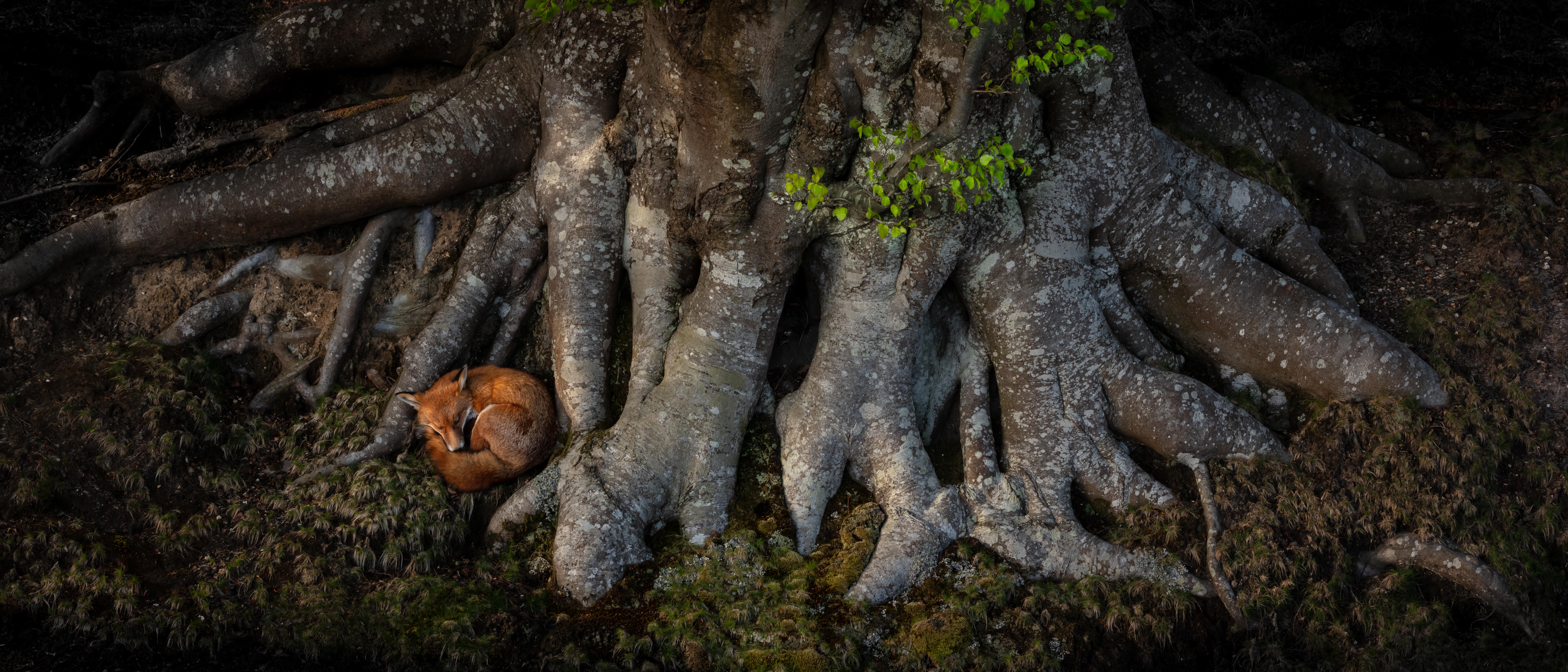
On the Earthy Bed Beneath the Beech
CHRIS PACKHAM
Packham painstakingly created the tableau, meticulously tidying the ground at the base of the tree, waiting for ivy to flower to add colour, making sure the weather was just right, lighting the scene to give a “heavenly, fairytale, magical perspective”, then pegging the long-dead fox out in a sleeping posture. “It’s about control. The fox wasn’t going anywhere. A live wild fox would have run off.”
Some people, I say, will think this is all a bit weird. “I’m not trying to be weird,” Packham says mildly, utterly unfazed as ever. “I’m trying to, you know, preserve it. Honour it. Venerate it.” The corpse, he says, was relatively intact. “If they’re smashed up I just cut their heads off and keep the skulls.”
Yep, there’s no doubt he’s a strange one, Chris Packham. A one-off, a driven, wildly emotional yet cautiously fastidious man. But I like and admire his refusal to compromise. As David Attenborough passes the baton, Packham is the foremost British champion of the myriad other creatures with whom we share the planet.
“This gallery,” he says, “is dedicated to this whole icon thing, how we revere certain people, put them on a pedestal, worship them, sometimes for the way they look, sometimes for what they do, sometimes for what they represent. And I thought, ‘Right, for me, these are the real icons, powerful, godlike.’ You see that picture and you think that fox is alive and so it lives on, in a way. I’ve given it some sort of life.”
More Beautiful Than You: The Wildlife Photography of Chris Packham will be open to the public to April 11 at the Iconic Images Gallery, London. Admission is free. iconicimagesgallery.com