
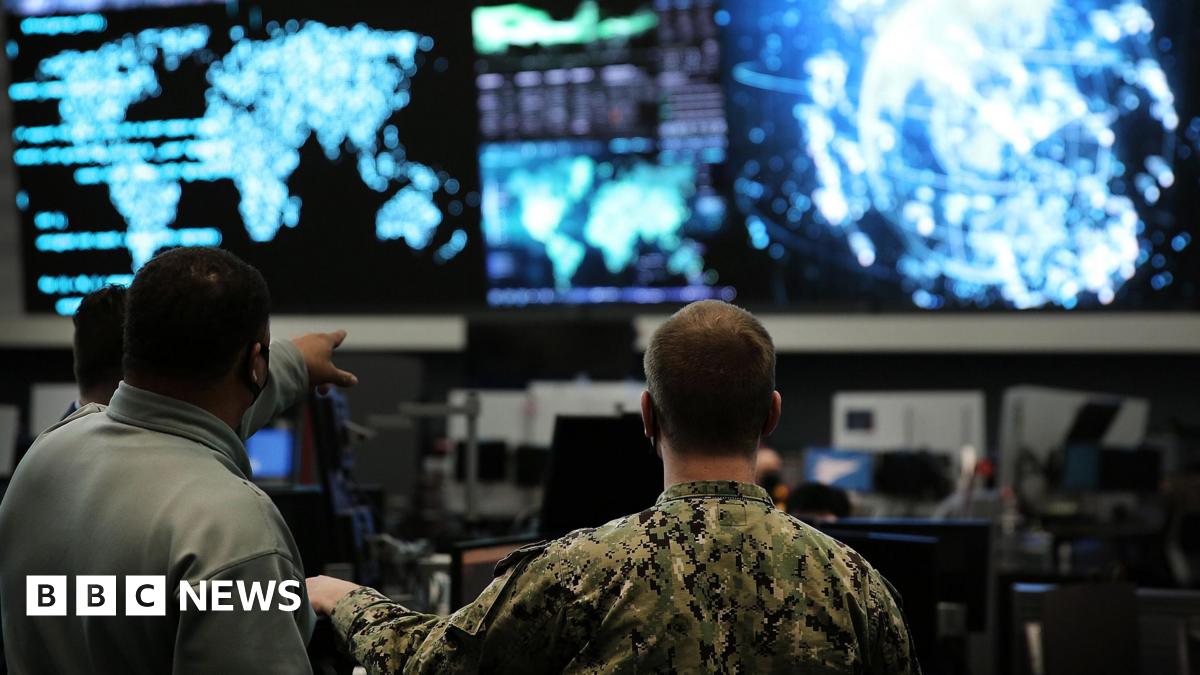
Cyber-espionage and hacking are known to play a large role in so-called “pre-positioning” for war.
General Dan Caine, chairman of the joint chiefs of staff at the Pentagon, described in a press conference how the war was enabled by months, in some cases years, of planning that went into preparing the so called “target set” for strikes.
US and Israeli hackers could have infiltrated key computer networks in Iran long before any actual strike was planned.
Computer networks behind air defences or military communications would have been high-priority targets.
The Financial Times , externalwas told by unnamed sources that CCTV and traffic cameras had been hacked by Israel to create an enormous surveillance network, in order to establish so called “patterns of life” of Ayatollah Ali Khamenei and his commanders in preparation for the strike that killed him.
Internet-connected cameras have become a target in cyber warfare as they “offer real‑time situational awareness of streets, facilities, and movement at very low cost,” said Sergey Shykevich, threat intelligence expert at cyber-security company Check Point.
Commentators say this kind of information would be used alongside more traditional intelligence – such as that gathered from human spies.
“Cyber isn’t usually the decisive weapon on its own; it’s a force multiplier that helps shape the information environment and supports operations happening on the ground,” said Tal Kollender, former Israeli military cyber-defence specialist and founder of cybersecurity platform Remedio.