

Camborne Science & International Academy in Cornwall has confirmed a recent outbreak of scabies – it is the second school in the county to confirm cases in less than three weeks
18:13, 12 Mar 2026Updated 22:20, 12 Mar 2026

Camborne Science & International Academy in Camborne, Cornwall(Image: Wikipedia)
A highly infectious skin infestation has been reported at a UK secondary school.
Camborne Science & International Academy (CSIA) in Camborne, Cornwall, confirmed a recent outbreak of scabies, an itchy rash caused by microscopic mites that burrow under the skin. It is the second school in Cornwall to confirm cases in less than three weeks, after Newlyn School, near Penzance, reported that two families were affected, Cornwall Live reports. According to the UK Health Security Agency (UKHSA), a scabies outbreak is formally defined as two or more cases in the same setting within an eight-week period.
A CSIA spokesperson said there were “two isolated cases of scabies” at the school. Public Health England (PHE) was informed and advised that there is no cause for concern, as there is no evidence of a wider problem within the school, the spokesperson said.
CSIA confirmed the two pupils affected have recovered and returned to school. The spokesperson added that there have been no new outbreaks at the school or at other schools within the Athena Learning Trust. Staff and parents have been briefed with guidance from PHE to stay alert to symptoms.
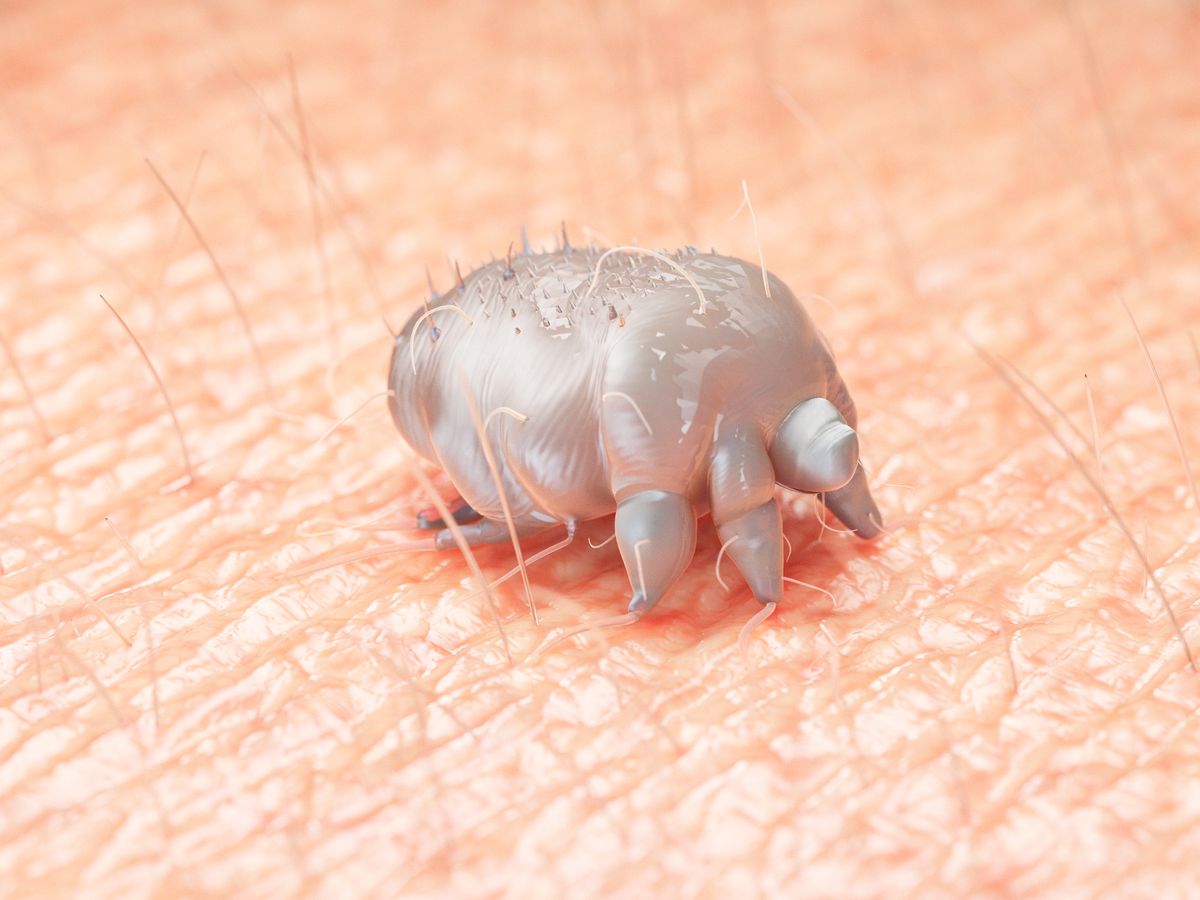
Illustration of a scabies mite on human skin(Image: Getty Images/Science Photo Library RF)
Ensure our latest headlines always appear at the top of your Google Search by making us a Preferred Source. Click here to activate or add us as your Preferred Source in your Google search settings.
“As a reminder, Public Health England have confirmed that there is no ongoing concern and no further action is required beyond the usual precautions,” the spokesperson said. “The school continues to follow all recommended guidance to ensure the health and safety of students and staff.”
A UKHSA spokesperson added: “Though uncomfortable scabies is not a notifiable infection so we will not be made aware of all cases, though we are on hand alongside local authority public health colleagues to provide schools with advice who’d they need such.”
This follows a UKHSA report showing a rise in scabies cases across the UK. Between 2023 and 2024, diagnoses increased by 44 per cent – from 3,393 to 4,872 – following a return to normal social activity after the Covid-19 pandemic.
Symptoms of scabies include intense itching, especially at night, and a raised red rash or spots. The condition, first described by Roman author Aulus Cornelius Celsus around 25AD, has been increasingly reported across the UK and Europe in recent years.
Dr Chaam Klinger, consultant in Health Protection at UKHSA South West, said: “Scabies is spread through close skin contact, and anyone can get scabies – it is not caused by poor hygiene. Scabies is not usually a serious condition, but it does need to be treated as it is infectious, so speak to a pharmacist if you think you have it.
“If you have scabies, there are steps you can take to stop it spreading during treatment, including washing all bedding and clothing in the house at 60C or higher on the first day of treatment and putting clothing that cannot be washed in a sealed bag for 3 days until the mites die.
“Do not share bedding, clothing or towels with someone with scabies and don’t have sex or close physical contact until you have completed the full course of treatment.”
For more information on scabies, including treatment and prevention, visit the NHS portal at https://www.nhs.uk/conditions/scabies/