

Deep in the rainforest of the Bird’s Head Peninsula, the remotest corner of the mysterious island of New Guinea, the tribesman explained that Tim Flannery’s quest may be nearing an end.
The clan leader had learnt that Flannery, known as the Indiana Jones of Australian science, was in pursuit of perhaps the greatest prize of his four-decade career. “He told us: ‘Look it’s so sacred that most people won’t even mention its name,’” Flannery recalled. “He told us enough of the story to make sure we didn’t ask any more questions.”
• New Guinea, island of the giant banana, is ultimate plant paradise
Flannery would not be stalled, however. He has faced deadly arrows aimed by enraged tribesmen and wrestled a 3m snake invading his bed on a remote Pacific island, during a career in which he has uncovered dinosaur fossils and discovered 16 mammal species and subspecies. These included Papua New Guinea’s fearsome monkey-faced bat that has a wingspan of more than 1.5m.
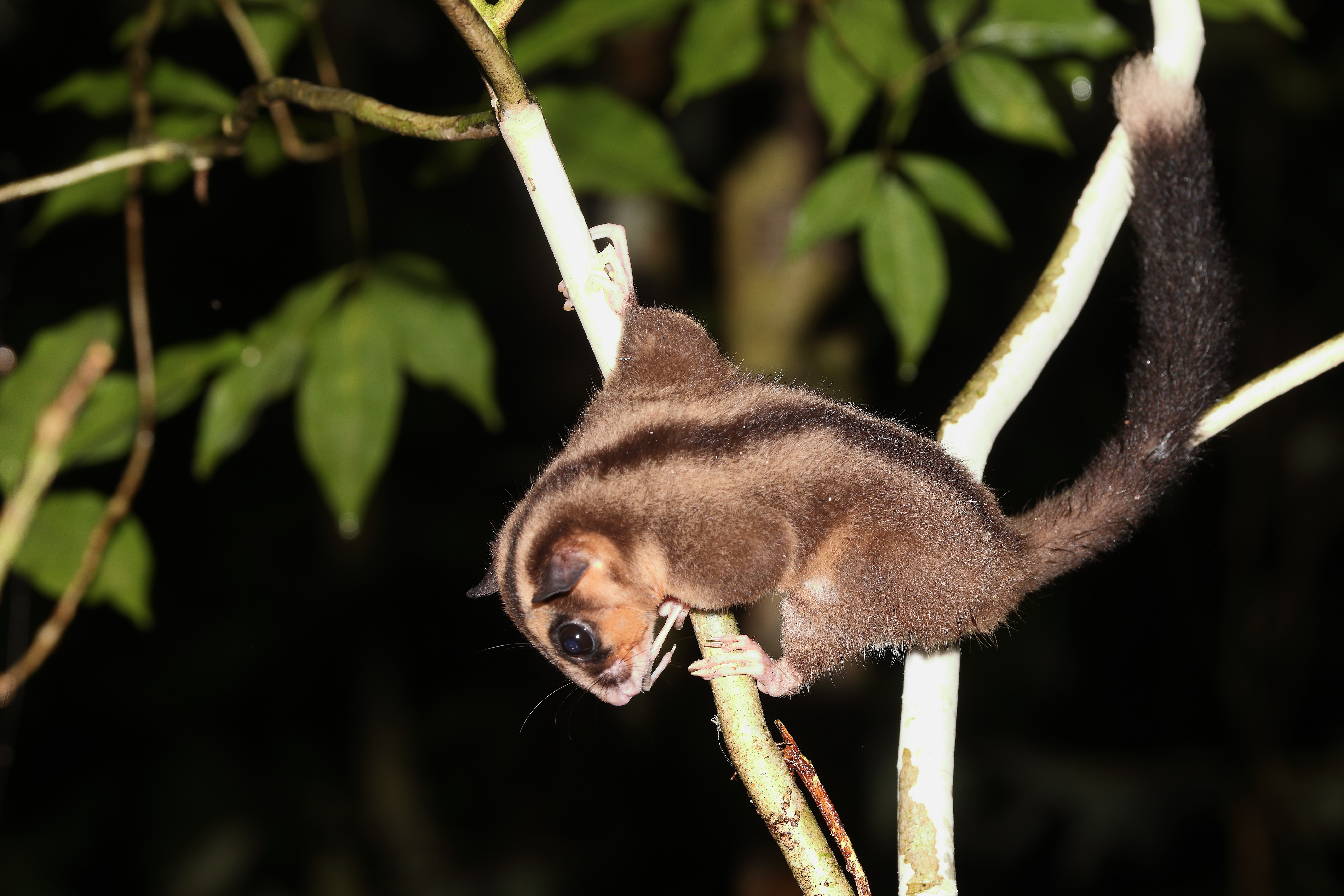
The pygmy long-fingered possum was one of the two species re-discovered
CARLOS BOCOS
The veteran explorer of the island, which lies to the north of Australia and is more than three times the size of the UK, has now helped achieve a rare scientific feat: the re-discovery, deep in the island’s rainforests, of two of the world’s strangest marsupials thought to have vanished 6,000 years ago.
• Four years on from landmark pledge, has deforestation slowed?
One is the pygmy long-fingered possum (Dactylonax kambuayai), a small, striped animal with one exceptionally long digit on each hand. The other is the ring-tailed glider (Tous ayamaruensis), which nests in holes in trees and uses its long, strong tail to grip branches and vines as it silently glides around the rainforest, using its body as a wing.
The discoveries, reported in two scientific papers co-authored by Flannery, make them rare examples of animals that are brought back to life: examples of the so-called “Lazarus species”.
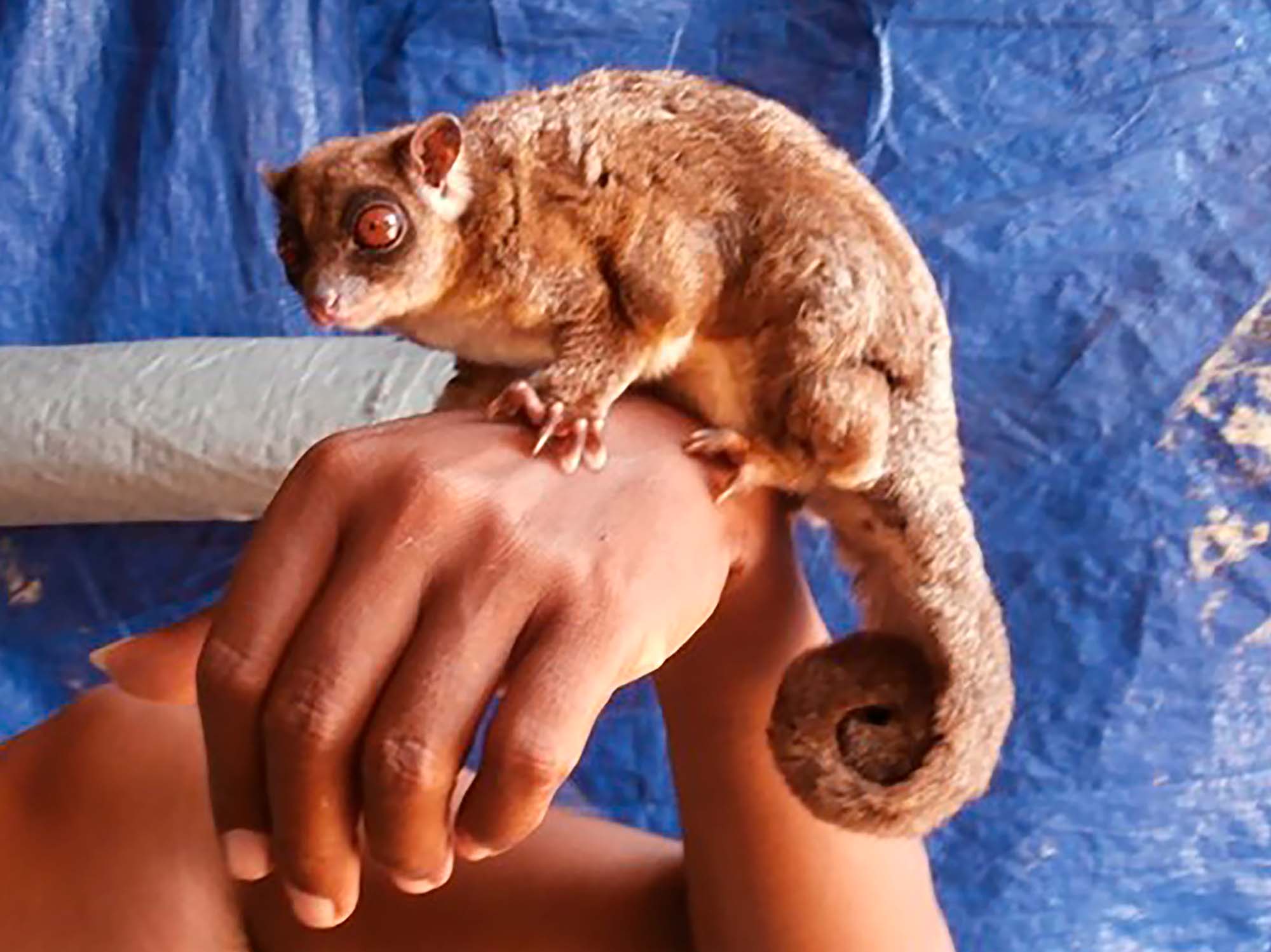
A ring-tailed glider
ARMAN MUHARMANSYAH
“I think it’s pretty much unprecedented,” Flannery, a zoologist at the Australian Museum told The Times on Friday. Both were found in one of the island’s most inaccessible, little-known pockets: Bird’s Head Peninsula, also known as the Vogelkop, in the Indonesian province of West Papua.
The scientist made multiple journeys into the region, seeking confirmation from tribes people of the existence of the animals but, in the case of the ring-tailed glider — a possum-like flying mammal that uses its tail as a rudder — he met a wall of silence.
Working off just a single photograph snapped years earlier by a forest worker of a strange creature on a riverside tree branch — wrongly identified by others as a loris, a small nocturnal primate native to southeast Asia — researchers entered the forests in 2019 and attempted to find tribes who might help them.

The clan leader he met led Flannery’s team to meet tribespeople familiar with the glider, an animal they venerated. “Its lifestyle, including its monogamy and limited number of young, are taught as an ideal arrangement to which young men should aspire,” the researchers said in their paper.
Finally, a ring-tailed glider shot by local hunters as it glided across a tree canopy was photographed, helping to prove the animals had survived despite 6,000 years of presumed extinction. Even today, Flannery and his team will not reveal the exact location of the tribespeople who know the glider, fearing international wildlife trackers will plunder the remaining animals.
It was also photography that led researchers to the re-discovery of the second Lazarus species: the pygmy long-fingered possum which fossil records had previously indicated had lived in Australia about 300,000 years ago but vanished during the Ice Age. It was last known to have lived in the western regions of New Guinea until about 6,000 years ago.
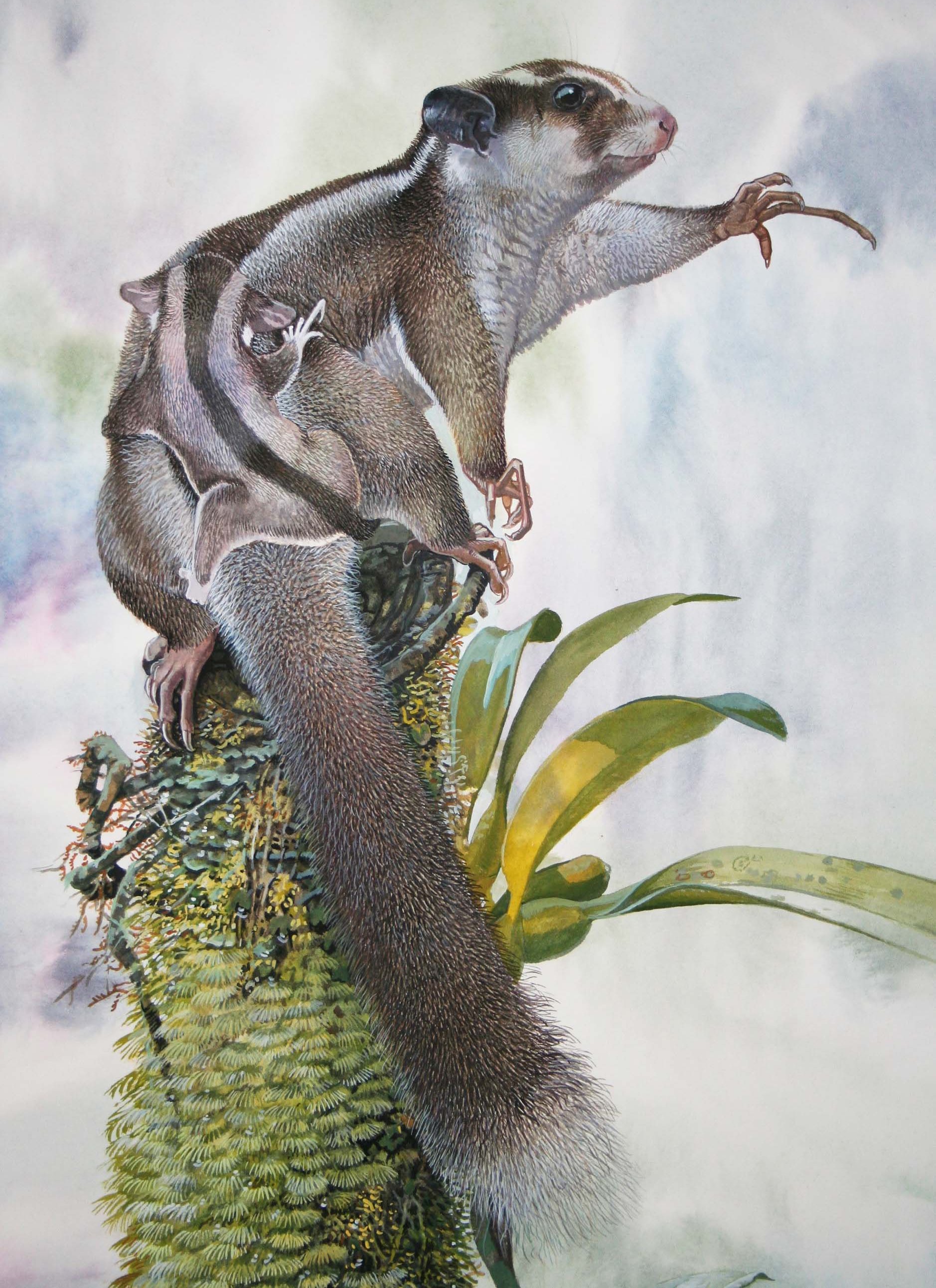
A painting of the pygmy long-fingered possum
2026 FLANNERY/APLIN/BOCOS/KOUNGOULOS
In Flannery’s words, the “uncanny” boldly striped black and white creature has “very powerful jaws for ripping open logs — it listens for insect larvae burrowing their way through timber, and when it hears insects, it uses its teeth to rip a hole in the timber”.
Its re-discovery was established through photographs taken by local and independent researchers, fossil fragments and a museum specimen that was collected in 1992 but misidentified. “It’s worthwhile just sitting back a second and marvelling at this wonderful world of ours when there are still such animals to be discovered,” said Flannery.
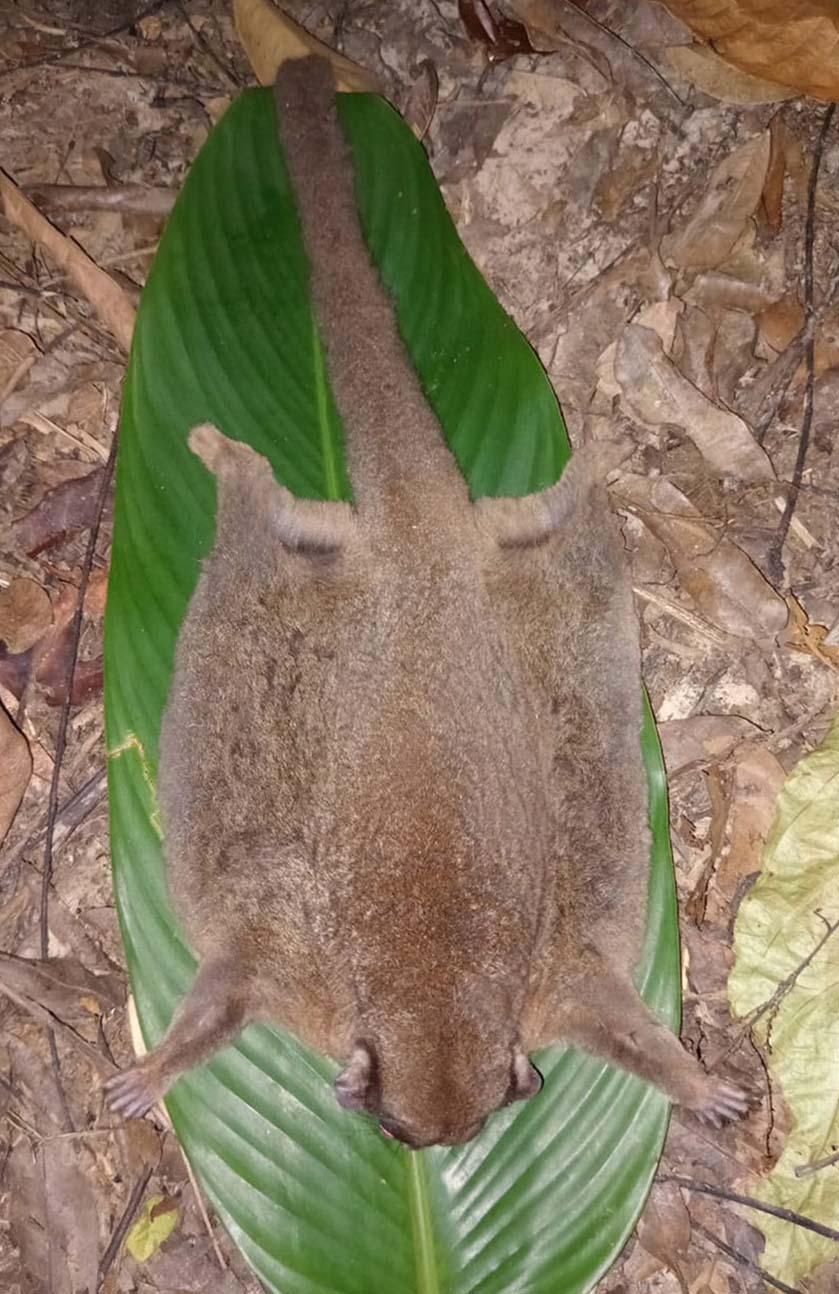
A ring-tailed glider in the New Guinea forest
MARNEKS MJAM
It is not lost on the scientist that the voracious felling of New Guinea’s rainforests for palm oil plantations uncovered the gliders that had remained hidden for so long, protected by the tribes that considered them sacred. The 2015 picture of a ringtail glider that set researchers on their trail was taken by a worker preparing to fell the high trees where the animals live.
“It tells us it’s not too late to save the world’s bio-diversity but this is really the moment to start acting,” said Flannery.