
(Credits: Far Out / LastFM)
Fri 13 March 2026 16:08, UK
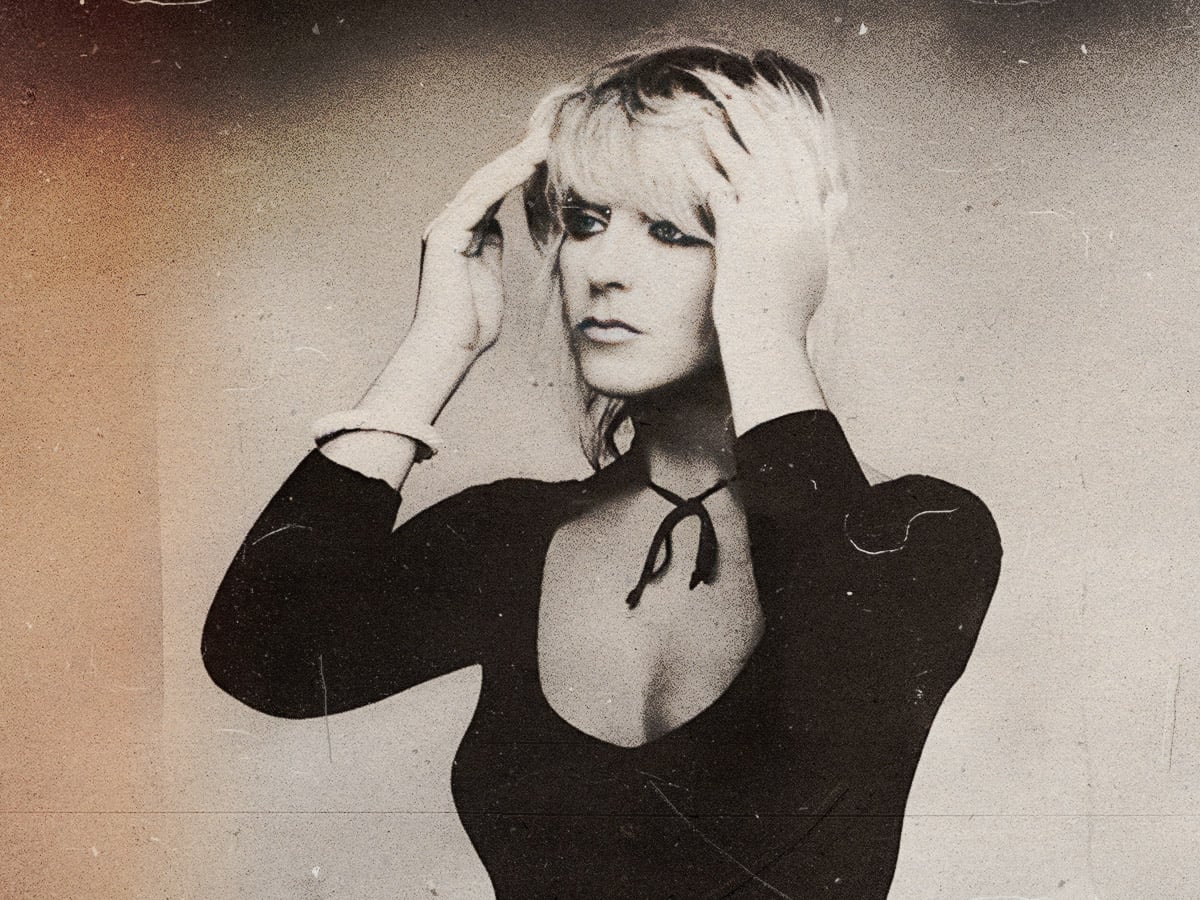
The late, great Christine McVie joined her husband John McVie’s blues rock band Fleetwood Mac in 1970 at the beginning of what can be considered the group’s second incarnation.
She developed her talents as a songwriter through the mid-1970s, when the addition of American power couple Stevie Nicks and Lindsey Buckingham helped bring unprecedented levels of commercial success to the band.
Fleetwood Mac’s self-titled album of 1975 was the first to be released by the group’s most famous line-up. With Nicks’ popular contributions, ‘Landslide’ and ‘Rhiannon’, the album was a soaring success, but nothing could have prepared the group for the heights achieved just two years later by the beautifully tempestuous Rumours.
Famously, the album was plagued by the band members’ spiralling drug habits and the derailing of relationships between John and Christine, Nicks and Buckingham and Mick Fleetwood and his then-wife Jenny Boyd. While recording Rumours in 1976, all three of these relationships ended in divorce, and the secret infidelities and simmering resentment are immediately tangible upon hearing the album.
Christine McVie is solely credited for four original compositions featured in Rumours, ‘Don’t Stop’, ‘Songbird’, ‘You Make Loving Fun’ and ‘Oh Daddy’. She also contributed to the group effort, ‘The Chain’. Despite such a heavy songwriting share, Christine had nothing prepared when the band began recording the album in 1976.
 (Credits: Warner Bros.)
“I thought I was drying up,” she once told Q magazine. “I was practically panicking because every time I sat down at a piano, nothing came out. Then, one day in Sausalito, I just sat down and wrote in the studio, and the four-and-a-half songs of mine on the album are a result of that.”
That anxiety was understandable given the pressure surrounding the sessions. Rumours was already shaping up to be an intensely personal record, with each songwriter drawing directly from the emotional fallout unfolding between the band members. For Christine, the fear that she had run out of ideas only added another layer of tension to a recording process that was already hanging by a thread.
Yet the strange magic of the Rumours sessions often came from exactly that kind of pressure. With relationships collapsing and emotions running high, the band found themselves turning private turmoil into timeless songs. When Christine finally sat down at the piano and the music began to flow again, it set the stage for some of the album’s most heartfelt moments.
The source of inspiration for the hit single ‘You Make Loving Fun’ was Christine’s concurrent divorce from John and her furtive affair. Unbeknownst to John, she had started a relationship with the band’s lighting technician Curry Grant (not to be mistaken with Cary Grant), who apparently made love more enjoyable. Speaking to Q in June 2009, Fleetwood joked, “Knowing John, he probably thought it was about one of her dogs.”
This pivotal day in Christine’s life, and hence Fleetwood Mac’s, began with the creation of ‘Songbird’, her mystically melancholy piano ballad. “I woke up in the middle of the night, and the song just came into my head,” she told The Guardian of writing the song. “I got out of bed, played it on the little piano I have in my room, and sang it with no tape recorder. I sang it from beginning to end: everything.”
“I can’t tell you quite how I felt,” she continued. “It was as if I’d been visited – it was a very spiritual thing. I was frightened to play it again in case I’d forgotten it. I called a producer first thing the next day and said, ‘I’ve got to put this song down right now.’ I played it nervously, but I remembered it. Everyone just sat there and stared at me. I think they were all smoking opium or something in the control room. I’ve never had that happen to me since. Just the one visitation. It’s weird.”
Hear ‘Songbird’, the ballad that ignited Christine McVie’s most crucial creative streak, below.