
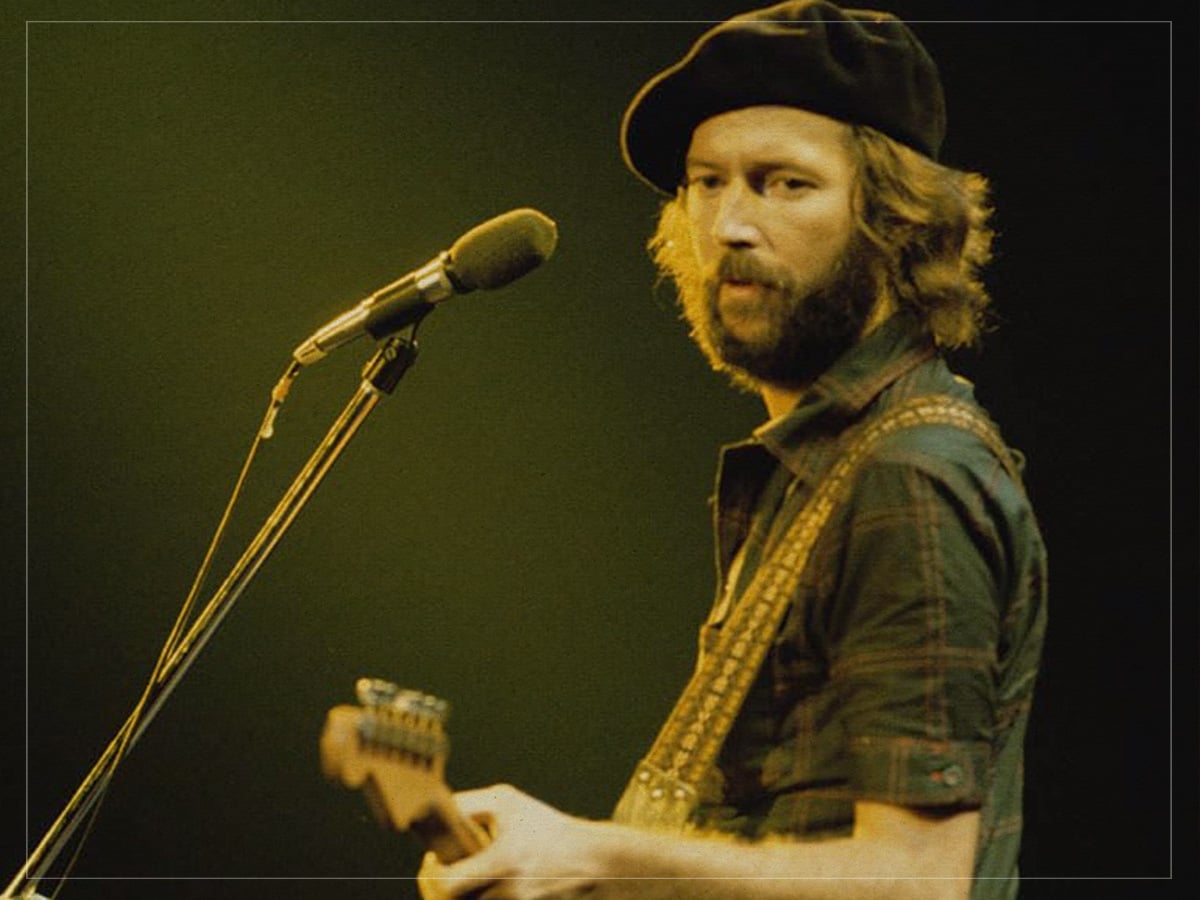
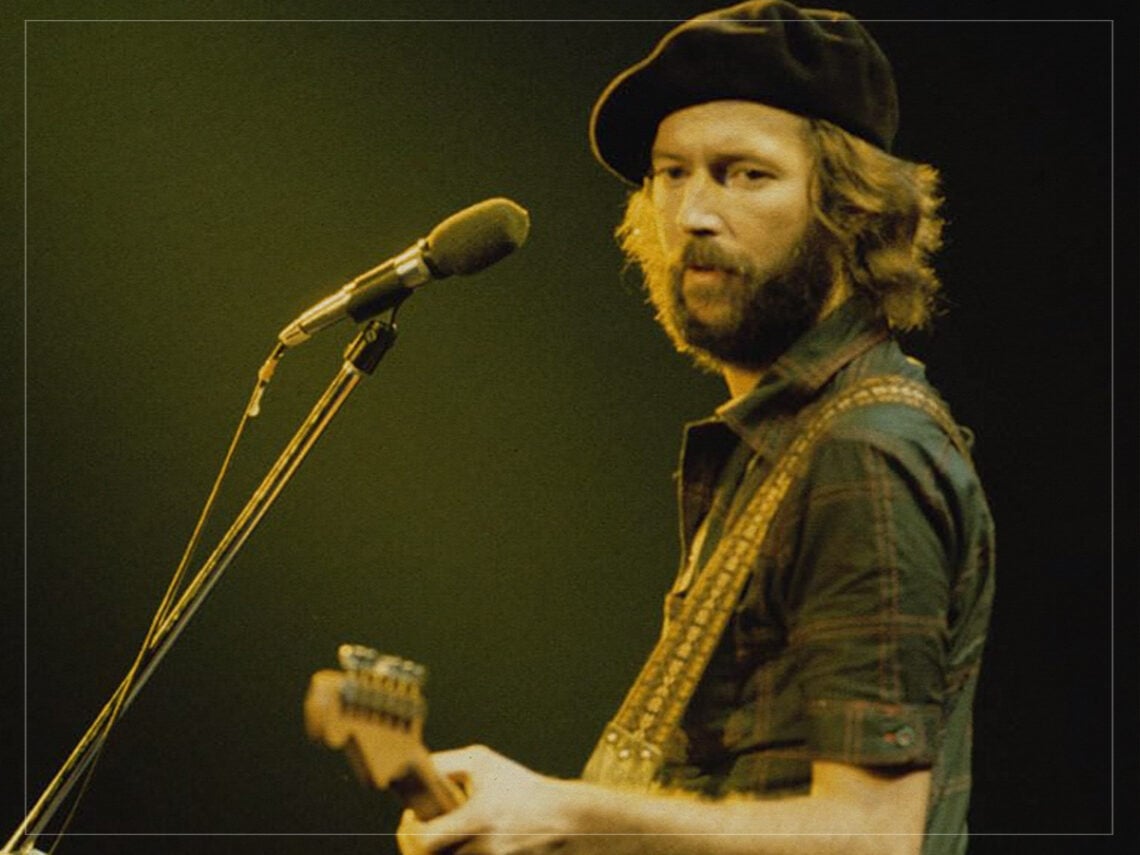
(Credits: Far Out / Showtime Documentary Films)
Fri 13 March 2026 16:30, UK
The musical journey Eric Clapton went on was about much more than being one of the greatest guitarists in the world.
Long before rock and roll was a major turning point in his life, the blues was where it all started, and he wanted to make it his mission to preach the good word that was taught by everyone from Buddy Guy to Robert Johnson whenever he picked up his guitar. Compared to every other rock star, music was a higher calling for Clapton, but there were moments when some of his friends could transcend what he originally thought his mission could be.
Then again, it’s hard to think of Clapton as staying strictly with the blues all of his life. It’s definitely there in all of the albums that he created, but the tone was a lot different every single time he picked up an instrument. Blind Faith didn’t sound all that much like Derek and the Dominos, and even when he started his solo career, there was always a clear difference between what he was doing as a pop star in the 1970s and when he eventually reinvented himself in the 1980s with Phil Collins.
And let’s not forget the unplugged era of his career as well. All the great blues started off on acoustic guitars years before the heavy hitters came into play, and when you listen to that one night of him performing stripped-down versions of ‘Layla’, it turned out he was just as dangerous with an acoustic in his hands as he was with an electric. But that acoustic foundation went far deeper than blues.
For a long time, anyone with an acoustic guitar in their hands was more often thrown into the folksy category, but that’s where all great blues has to start as well. If you think about it, blues was just a slightly darker version of what the folk scene had been doing as each artist cried out in pain, and when Clapton was going through his own dark night of the soul when he fell for Pattie Boyd, The Band were always there to remind him of how beautiful Americana music could have sounded.
Music From Big Pink is still one of the most rootsy rock and roll albums ever made, and despite having a few bits of help from Bob Dylan, The Band were their own unique entity. Their musicianship and chemistry with each other felt like they had been playing for decades, but between Robbie Robertson’s fantastic leads and Levon Helm’s gritty vocals, there was something about Richard Manuel that melted Clapton’s heart when he first heard him perform.
Compared to every other member of the group, Manuel had a much more vulnerable vocal delivery, and that kind of emotion could tug at anyone’s heartstrings, with Clapton saying, “I was madly in love with Richard. For me, Richard was the true light of the Band. There was something of the holy madman about Richard. He was raw. When he sang in that high falsetto, the hair on my neck would stand on end. Not many people can do that.”
And while Clapton wasn’t going to become that kind of singer overnight, you can definitely tell the impact that Manuel had on his writing. It took him a long time to find his own sound, but when he eventually stripped every part of his music down, hearing that high falsetto in ‘Tears in Heaven’ sounded like him trying to muster every bit of emotion in his body to remember his son through the tools that Manuel instilled in him.
But you don’t have to simply listen to The Last Waltz to truly understand what Manuel brought to the table every single time he played. Whether it’s hearing those early Dylan records or even when he backed Tom Petty on the song ‘The Best of Everything’, you can hear those sad strains of Americana seeping out of his voice. A bit strange to hear Americana come out of a Canadian, but no one’s going to be complaining when they hear it.