
Home » TOURISM NEWS » Angola Overtakes Russia, India, United Kingdom, China, and More Countries by Leading the Way in Preserving Its Rich Tourism History with a National Archive Focused on Cultural Heritage and Sustainable Growth
Published on
March 14, 2026
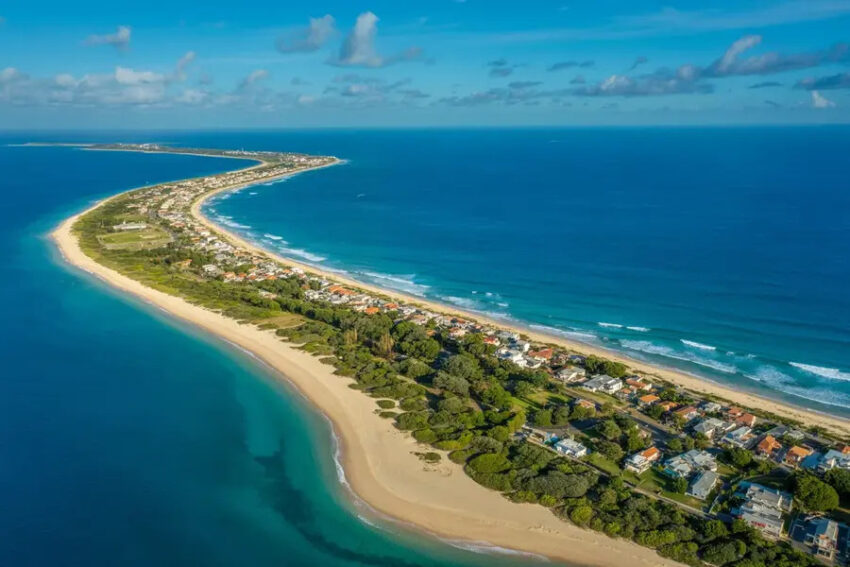
Image generated with Ai
Angola has surged ahead of major global players like Russia, India, the United Kingdom, and China in the race to preserve its tourism history by establishing a national archive dedicated to cultural heritage and sustainable tourism growth. This groundbreaking initiative aims to safeguard the country’s rich tourism history, offering a comprehensive resource for travelers, historians, and tourism professionals. By carefully documenting and organizing the evolution of Angola’s tourism sector, the archive will play a vital role in shaping how the country’s unique destinations are understood and promoted for future generations, solidifying Angola’s position as a leader in cultural preservation.
A travel agency based in Lubango is leading a pioneering project that could become one of Angola’s most significant resources for the country’s tourism sector. The initiative focuses on compiling research, documents, and historical records into a dedicated archive that tracks the evolution of tourism in Angola over time. This project is expected to play a crucial role in shaping how Angola’s destinations are perceived, promoted, and developed for decades to come.
While the idea of building an archive may seem academic at first, it has the potential to impact various stakeholders in the tourism industry, including travelers, historians, tourism planners, and guides. This effort will provide them with essential knowledge and resources to better understand and promote Angola as a travel destination.
The project is spearheaded by a travel and tourism agency located in southern Angola. The goal is to create an extensive bibliographic archive solely focused on Angola’s tourism sector, ensuring that knowledge related to tourism is preserved for future generations. The agency has been working on this archive for the past five years, and the project has steadily expanded since its inception.
One of the archive’s key achievements is the creation of a digital registry of Angola’s national heritage sites, which are classified as historical and cultural landmarks. This database provides comprehensive information on the location, age, and official status of protected sites across the country. For tourism professionals, it is an invaluable resource when designing heritage tours or creating travel itineraries. By offering reliable and up-to-date information, the archive allows those in the tourism industry to make informed decisions when promoting Angola’s rich cultural heritage.
In addition to documenting heritage sites and monuments, the archive is also focused on exploring Angola’s broader tourism identity. The team involved in the project is compiling a geotourism profile that highlights the country’s unique landscapes, natural attractions, and geographical features. By creating a clearer picture of Angola’s travel destinations, the archive aims to showcase the diversity and beauty of the country’s tourism offerings. This effort will help highlight Angola’s natural assets, which are often overshadowed by more widely known African destinations.
Advertisement
Advertisement
The archive is also investigating the complex history of Angola, including the legacy of the transatlantic slave trade. The documentation of this painful chapter in Angola’s history serves to support the creation of heritage tourism routes that encourage reflection, learning, and cultural understanding. These historical routes are gaining importance as travelers seek more meaningful connections with Africa’s past. By focusing on this sensitive aspect of the country’s history, the archive provides the context necessary to create educational and thought-provoking tourism experiences.
Since December 2025, the archive has undertaken an ambitious project to trace the development of Angola’s tourism sector since the country’s independence in 1975. The timeline includes major political and institutional milestones that have shaped the tourism industry. This includes the establishment of tourism hubs, key presidential decrees related to the tourism sector, Angola’s membership in international tourism organizations, and the creation of tourism training schools. By mapping these decisions across five decades, the archive provides valuable insights into how political and policy changes have influenced the growth of the tourism industry. This historical perspective is critical for understanding the development of specific destinations and can help identify opportunities for future growth.
The archive has received widespread support from a variety of contributors, including experienced staff from Angola’s Ministry of Tourism, retired tourism officials from provincial tourism directorates, and universities offering tourism education. Members of Angola’s diaspora have also played a significant role by sharing historical perspectives that might otherwise have been lost. This collaborative effort ensures that diverse viewpoints and experiences are captured, strengthening the archive’s comprehensiveness.
In many countries, tourism records are often lost or forgotten due to changes in government or the restructuring of institutions. Policy decisions, development plans, and industry knowledge may fade over time, leaving gaps in the historical record. The Angolan archive seeks to address this issue by preserving crucial information about the country’s tourism sector, ensuring that it remains accessible for future researchers, planners, and tourism professionals. By safeguarding this institutional memory, the archive helps prevent the loss of valuable knowledge that could be critical for future tourism development.
The archive’s long-term documentation efforts are particularly important for emerging tourism destinations. As these destinations develop, having access to a solid foundation of historical knowledge and insights can be instrumental in crafting sustainable tourism strategies. This kind of documentation ensures that tourism growth is informed by past lessons, helping to avoid mistakes and capitalize on opportunities for improvement.
Angola’s tourism industry is showing signs of growth, with improvements in accommodation infrastructure, a rise in travel agencies, and the increasing number of educational institutions offering tourism programs. There is also growing awareness about Angola’s potential as a travel destination. The country is known for its cultural heritage, diverse landscapes, and welcoming communities, and it is regarded as a safe destination for tourists. The freedom of movement for people and goods in Angola further strengthens its appeal as a tourist destination in sub-Saharan Africa.
Angola’s approach to tourism offers an important lesson for other African countries. Rather than focusing solely on promoting new attractions or marketing campaigns, the country is investing in knowledge. By establishing a permanent tourism archive, Angola is creating a resource that future tourism professionals, researchers, and planners can rely on for guidance and inspiration.
Angola has outpaced countries like Russia, India, the UK, and China by launching a national archive dedicated to preserving its tourism history, focusing on cultural heritage and sustainable growth to shape the future of its tourism sector.
In the end, the most impactful travel stories are not just about where people go next, but also about preserving the journeys that have come before. Through its innovative tourism archive, Angola is building a legacy that will benefit generations to come.
