
The UK’s most invasive plant has begun its 2026 growing season – and has been spotted in Lincolnshire.
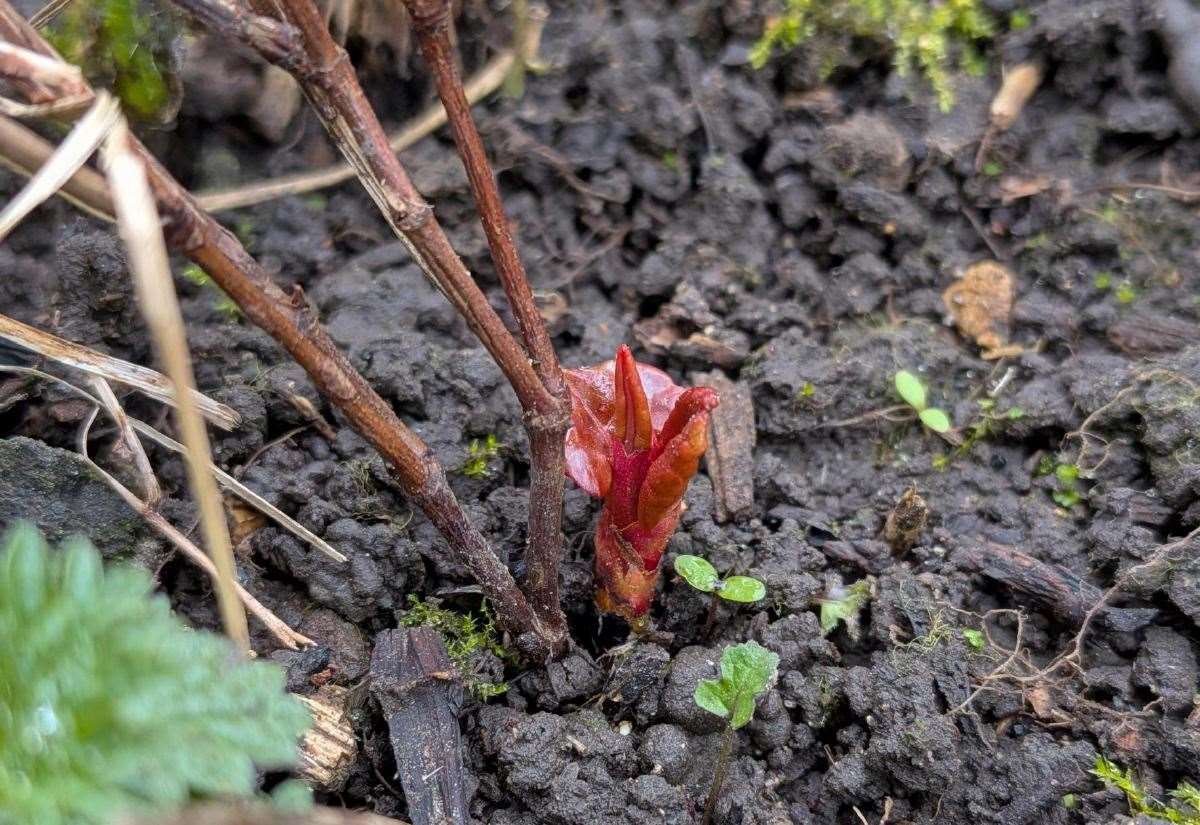
The distinctive red spears of Japanese knotweed has been seen by nationwide invasive plant specialists Environet for the first time this year in Long Sutton.
 The first shoots of Japanese knotweed have been spotted in Long Sutton. Phot supplied
The shoots were found on a derelict site recently granted planning permission for residential homes.
“After plenty of rain followed by a couple of days of sunshine, knotweed has been spotted for the first time this year in Long Sutton,” Environet director Emily Grant said.
“From now on, homeowners should be on the lookout for its distinctive red speared shoots, which look rather like peony at this time of year but quickly develop bamboo-like canes with bright green shield-shaped leaves.
The distinctive roots Long Sutton. Phot supplied
“If you do spot knotweed, don’t try and deal with it yourself as you could inadvertently spread it or make it more difficult to treat professionally.
“The best way to preserve the value of your home is to get a specialist Japanese knotweed survey to determine the best course of action, then have it professionally treated or removed.”
Long Sutton is home to four other known incidences of Japanese knotweed, according to Exposed, Environet’s live Japanese knotweed heatmap, which is populated with over 100,000 sightings across the UK.
The map shows 116 infestations across Lincolnshire, with particular hotspots in Lincoln (13 infestations), Grantham (11) and Stamford (11).
Members of the public can enter a postcode to discover whether they live in a hotspot – or also report sightings.
Japanese knotweed hibernates during the winter months before emerging when the ground temperature reaches around 4°c.
Reddish-purple asparagus-like shoots sprout from the earth and quickly form hard green stems, growing at a rapid rate to reach approximately 3m in height by June.
Last year, the first shoots of the year were spotted in Plymouth.
It isn’t illegal to have Japanese knotweed growing on your land, but you could be sued if you sell an affected property without declaring it to the buyer, or you allow it to spread next door.
If left untreated, knotweed can damage property foundations, driveways, patios, cavity walls and drains, impacting an estimated 7% of the UK’s homes.
In the worst cases it can knock 5-10% off house prices and cause legal disputes between neighbours.
Sightings can be reported on the Japanese knotweed heatmap using the ‘Add Sighting’ feature and attaching a photograph of the plant so it can be verified by experts.
Environet also offers a free Japanese knotweed identification service for anyone who wants to confirm whether or not a plant is Japanese knotweed, by emailing a photo to expert@environetuk.com.