
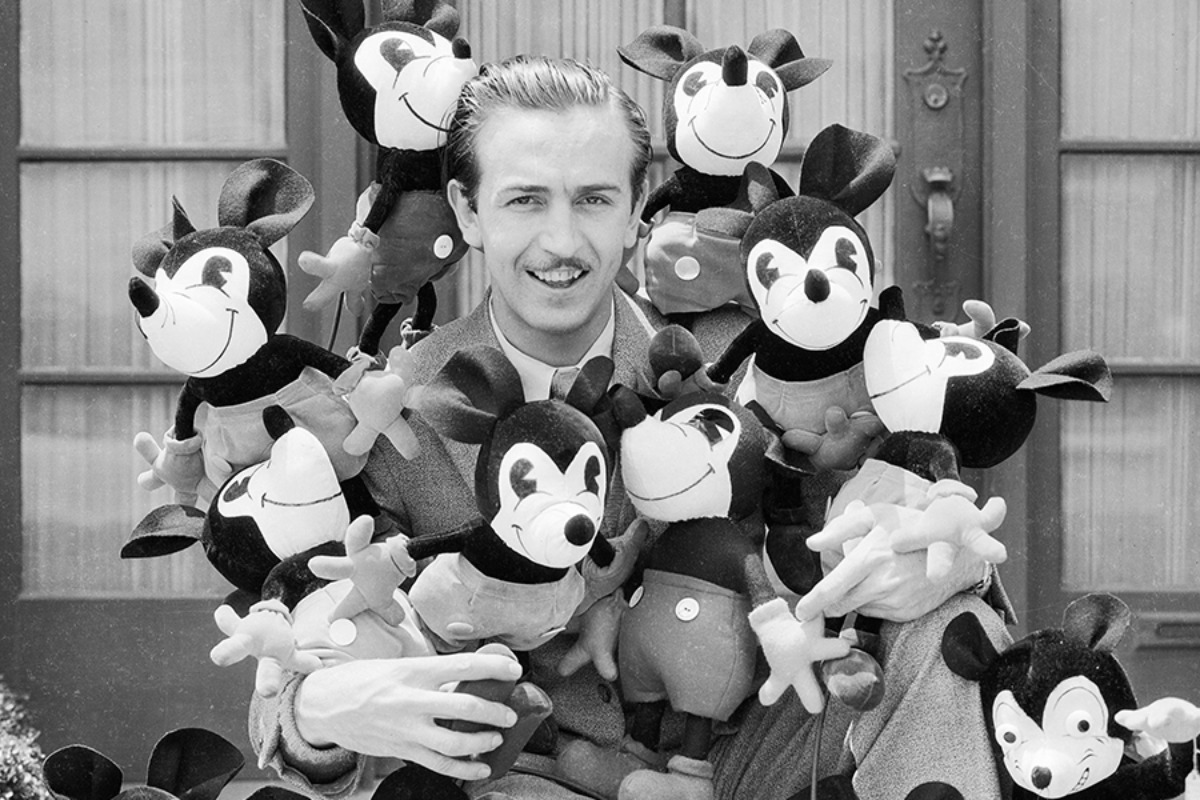
He built his legend on perfection, then publicly called one of his own films a mistake. Which misfire did Disney wish he could erase, and how did that regret set up his boldest move?
Walt Disney could spot a dud inside his own studio, and he said so. In 1935, amid cash pressures, a wave of novice animators and a hush-hush feature in the works, he directed The Golden Touch and promptly filed it under lessons learned. The stumble sharpened his judgment and fed directly into Snow White and the Seven Dwarfs. In the same breath, the studio also turned out The Tortoise and the Hare, an Oscar winner that showed how missteps and breakthroughs can share a calendar.
Some stories about legends feel too polished. This one has edges, and that is why it lingers. Walt Disney, the tireless perfectionist, once looked at a film he personally directed and winced, admitting it didn’t live up to his own measure. That rare candor reveals the human engine behind the studio myth, and it changed what came next in ways both artistic and operational.
Walt Disney and the art of acknowledging failure
Disney never confused cheerleading with leadership at his studio. He prized work that felt alive, and he named flaws without flinching. When his short The Golden Touch disappointed him, he said so plainly. It was a moment of rare vulnerability colleagues remembered (as cited in The Animated Man, via Slashfilm).
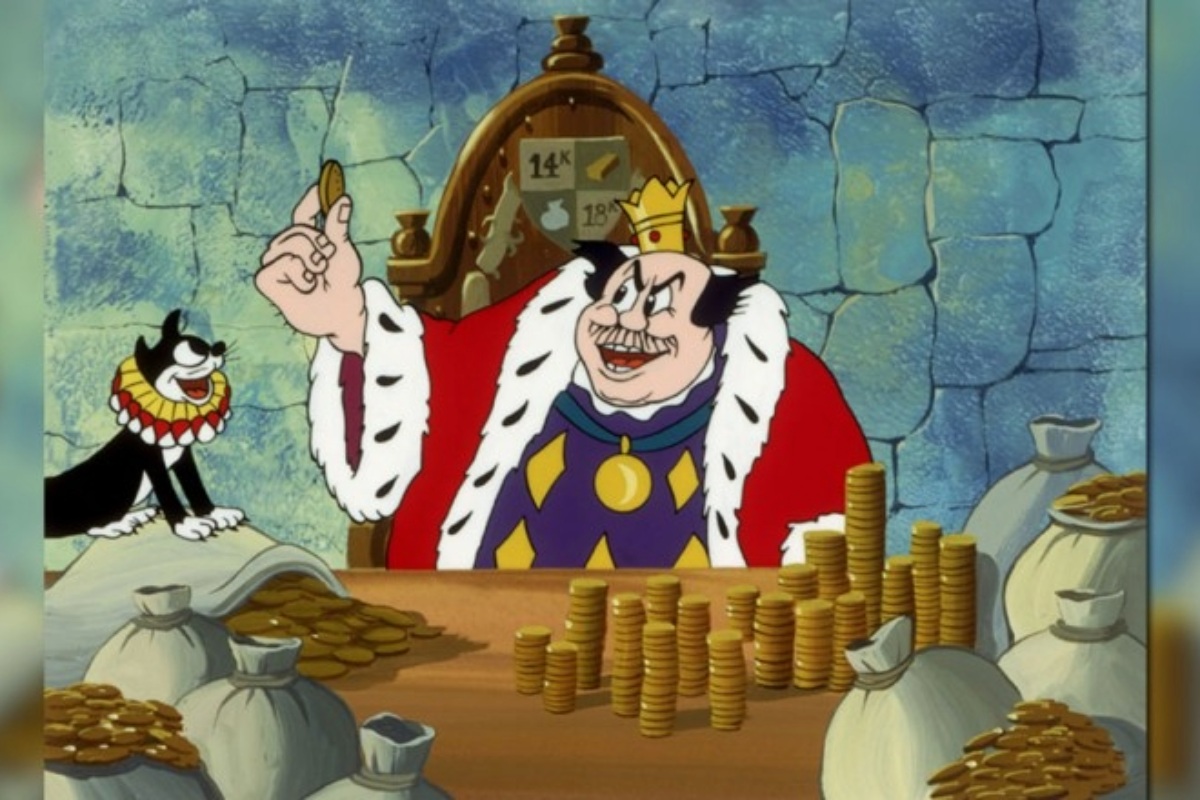
The Golden Touch: a less-than-golden milestone
The film arrived in 1935, deep in the Silly Symphonies run. Walt directed it himself, guiding gags, timing, and the fable of King Midas with a meticulous, almost fussy care. Yet the result felt stiff, not musical—a lesson in tone he later wished he’d skipped. The short skipped the Oscars entirely, a rare miss for a Symphonies entry at the time.
The challenges of creating animation in the 1930s
Context mattered, and the studio was straining hard. Money was tight, new hires needed training, and schedules slipped as departments learned hard lessons on the fly. Meanwhile, Disney nurtured a secret feature-length gamble that consumed attention and cash, while rights deals and travel stacked up. The pipeline bent, and quality inevitably slipped across departments.
Lessons that paved the way for greatness
Disney’s response was pragmatic, measured, and not defensive. He tightened story development, clarified musical beats, and pushed staging toward clarity, building habits that would shore up future bets. Within 2 years, those refinements coalesced in Snow White, a monumental success that redefined animation’s possibilities (released in 1937). Teams documented what failed, from gag pacing to character appeal, and recalibrated before the next slate.
Legacy beyond one misstep
One dud did not define that turbulent year. Wilfred Jackson’s The Tortoise and the Hare sprinted to Oscar glory in 1935, affirming the studio’s depth of talent. More importantly, Disney showed how to turn disappointment into process, and process into momentum that endures for decades. That alchemy, not perfection, is the real golden touch.