
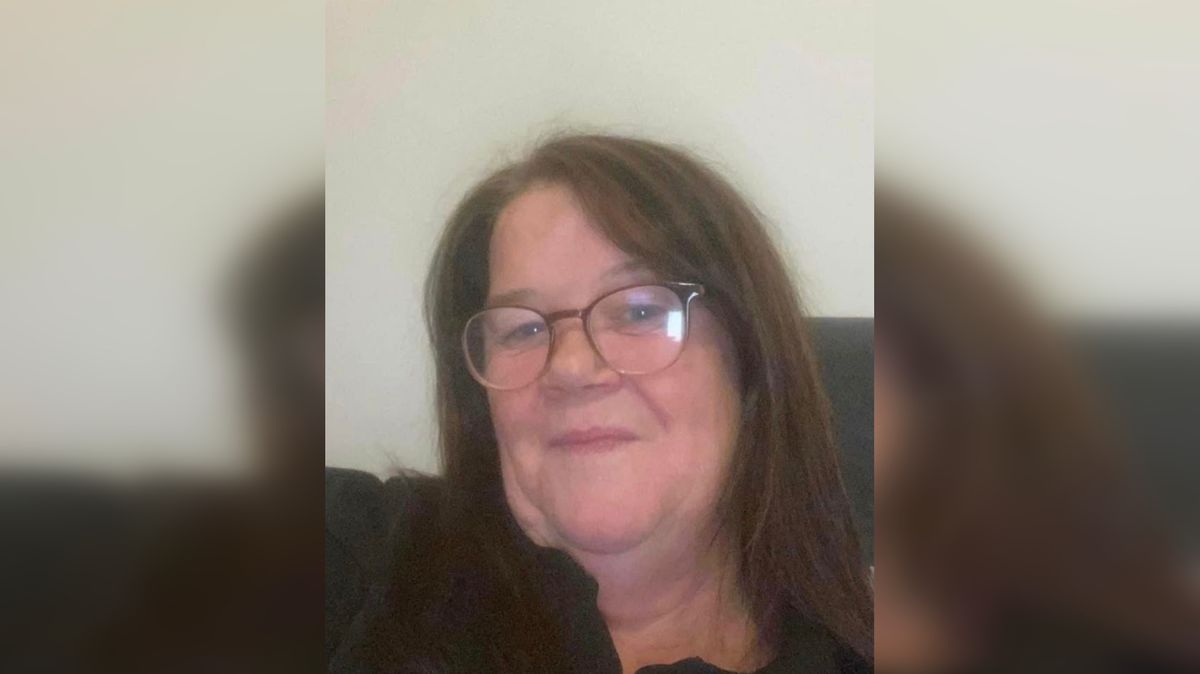
Tracey McGrann, 54, died in her sleep just months after undergoing tests at Arrowe Park Hospital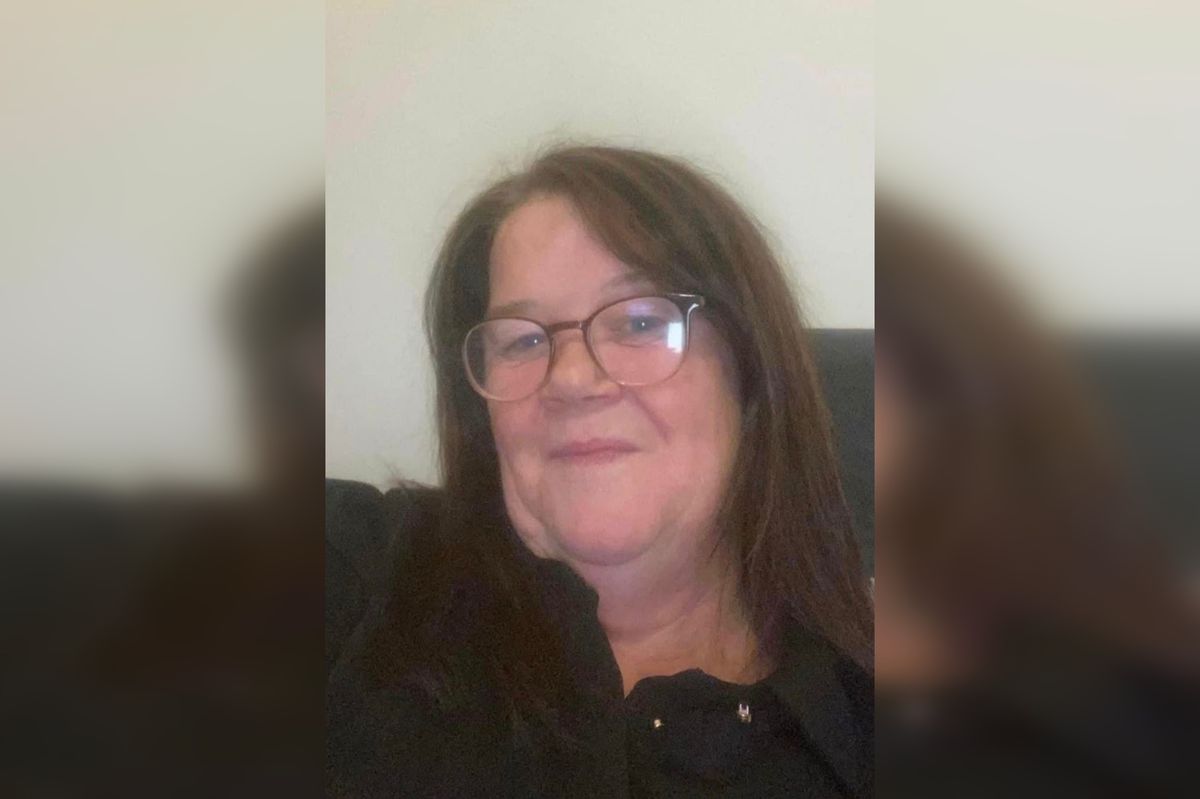
Tracey McGrann died suddenly in May 2024
A 16-year-old girl found her mum dead in bed just four months after her dad died of severe pneumonia. Mum-of-three Tracey McGrann was just 54-years-old when she went to sleep after a night out and never woke up.
Tracey, from Birkenhead, died in May 2024 just a few hours after a trip to the pub, celebrating a friend’s birthday. Just three months earlier, the nan-of-three visited St Catherine’s Health Centre in her hometown after complaining of chest pain symptoms to her GP.
After taking an electrocardiogram (ECG), her results came back days later in the form of a text message, which instructed her to admit herself into A&E immediately regardless of whether she was showing symptoms. She attended Arrowe Park Hospital with a friend later that day.
Her daughter Leah said: “My mum was someone who was scared of dying and terrified of hospitals, so for her to pluck up the courage and go was huge.”
After taking an ECG in the emergency department, Tracey took a picture of the results on her phone. She was subsequently discharged from the hospital.
Though Tracey believed she was fine, her family now say doctors failed to sign off on her ECG, as it was later discovered the test had flagged an abnormality.
On the morning of May 26, 2024, Tracey’s then-16-year-old daughter Alisha discovered her mum dead in bed, just four months after her father died following complications due to severe pneumonia.
Leah, 25, said: “My little sister called me up in hysterics to say, ‘I found mum dead’. I didn’t believe her, and she said, ‘Leah, the paramedics confirmed she’s dead’.
“When I got there and saw all the police cars and ambulances, I was like, ‘Oh my God’ – that’s when I knew my mum had actually died.
“She was out in the pub the night before for one of her friends’ birthdays, went to bed and died – no one could believe it; her mates, who she had just seen hours before her death, couldn’t.
“I didn’t think it was her heart because of everything she was told by the medical professionals, but because I didn’t question what the professionals told us – that mum’s heart was fine and awaiting post mortem results – I started thinking of every possible scenario.”
Leah, who was 23 at the time, took on custody of her grieving teen sister, uprooting her life in Prenton to move into her mum’s house to raise her youngest sibling, as well as her own young children, aged three and five.
With her mum no longer there to offer childcare for her to work unsociable hours, Leah was also forced to give up her job as a bar manager.
She said: “This has had a complete domino effect on her children’s and grandchildren’s lives. I’ve had to force my now-17-year-old sister to go into college because if she doesn’t go in, we won’t get that bursary.
“What I’ve learned out of this is you’ve got to get on with it, so I haven’t had time to grieve.”
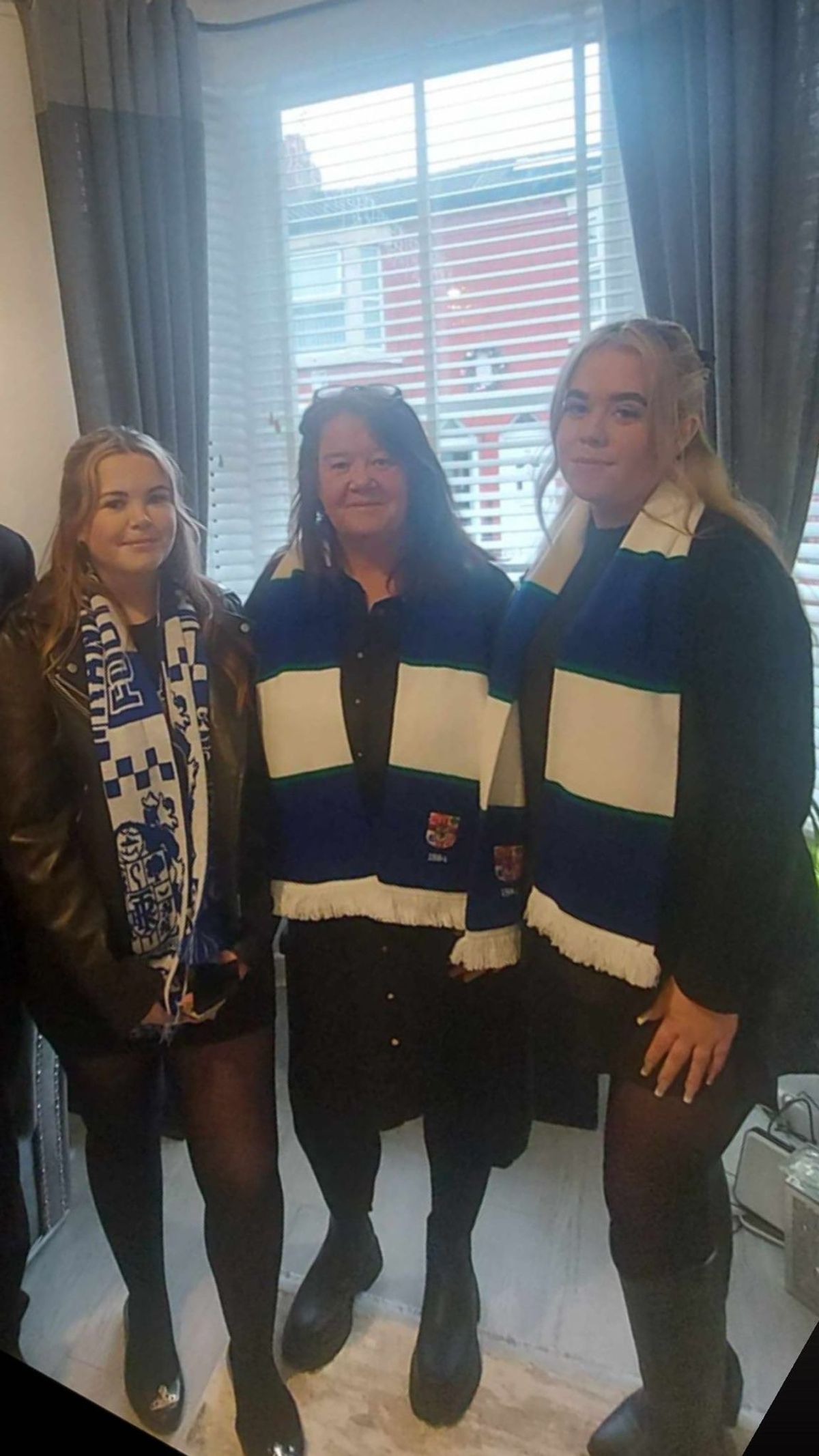
Tracey with her daughters Alisha and Leah
An inquest concluded Tracey died of ischemic heart disease (IHD), which causes narrowing of the arteries. Leah said: “I queried why this did not show up on the previous ECG, and the coroner told me that if she was undergoing an ECG, it wouldn’t catch IHD unless she was experiencing symptoms at the time.”
However, she later noticed a “memory” pop-up on her mum’s old phone, which appeared to be a picture of the ECG test taken the day Tracey attended Arrowe Park.
Leah said: “I was paying my mum’s contract, and saw that she took a photo of the ECG on the day she went to A&E – it popped up on her iPhone’s memories.
“I feel like my mum was watching over me and she sent that memory to me so that I would see it. On her ECG it read – ‘moderate T-wave abnormality, consider anterior ischemia’.
“When I saw that I looked at the date to confirm it was sent on the day she went to A&E – 9th Feb, 2024. The text message she received from her GP instructing her to go to A&E was sent on the same day. It all matched, and it even flagged up ‘consider ischemia’, which they did not.”
That’s when she got in touch with Rachel Donovan, a senior medical negligence solicitor at JF Law. A meeting was subsequently arranged between Leah and her siblings and the directors of the parent trust that runs Arrowe Park Hospital, Wirral University Teaching Hospital NHS Foundation Trust.
Leah said: “The trust showed me a form that said something along the lines of ‘what happened and what could we have done differently’. On it, it mentioned the ECG should’ve been signed electronically – but there was no signature.
“During the meeting, I asked the medical professionals what duty of care did they give to my mum – they replied they didn’t. I asked them why was my mum discharged within minutes of doing that ECG – they had no response.
“They explained that they don’t keep copies of ECG results so there was no paper trail. The only way this was caught was because my mum took a photo of her reading at the time.
“If a doctor had signed the ECG off then at least we would’ve known who was to blame. If they just looked at the ECG mum would’ve been on some pathway to receiving treatment. One of the directors, who was a top medical professional, even stated that if he was on duty that night, my mum would have been admitted and transferred straight to cardiology.
“This trust said that their own GP had caused her unnecessary stress. She was the only person to actually listen to her and give my mum the duty of care she deserved.
“In the meeting my mum was reduced to a ‘mistake’. How many other ‘mistakes’ have there been? How many grieving family members haven’t investigated the death of a loved one and not caught that they died as a result of a misdiagnosis error?”
Leah’s case with Wirral University Teaching Hospital NHS Foundation Trust is currently ongoing. Her solicitor Rachel Donovan, said: “The tragedy about this case is that it was so preventable. Tracey did everything right.
“In 2024, she started to suffer with chest pains and shortness of breath so she attended her GP and she underwent an ECG. This was noted to be abnormal, and she was referred to her local hospital’s emergency department, which was Arrowe Park Hospital, where the tragic misdiagnosis occurred.
“This has caused the family to lose their mother and grandmother, and a loved sister and friend. Lessons need to be learnt.”
A spokesperson for Wirral University Teaching Hospital said: “The Trust cares for hundreds of thousands of patients every year across emergency, specialist and community services and the provision of safe care is our top priority.
“When issues are identified or on the rare occasion that things do go wrong, we ensure learning is embedded into our patient safety and learning processes.
“Where appropriate, incidents are investigated in line with national NHS processes and with NHS Resolution, which manages clinical negligence claims on behalf of all NHS organisations.”
It continued: “The NHS Resolution data referenced relates to a broad category of claims covering many different clinical conditions and may include incidents that occurred several years before a claim is made or resolved. NHS Resolution itself makes clear that these figures should not be interpreted as trends or league tables, as organisations vary significantly in size, complexity and the services they provide.”
Shocking £1.2bn cost of medical negligence claims
New figures, obtained through a series of Freedom of Information requests by Medical Negligence Assist, revealed that NHS trusts across the country have paid out more than £1.2 billion in misdiagnosis-related medical negligence claims over the past six years.
Nearly 10,000 misdiagnosis claims – 9,989 in total – were lodged against NHS trusts in England between 2019/20 and 2024/25. Before the outbreak of Covid-19 in 2019/20, lodged claims stood at a high of 1,824.
While numbers dipped during the height of Covid-19 – falling to 1,516 in 2021/22 – they have now surged to a six-year high of 1,922 new claims in the 2024/25 financial year.
Of the total claims lodged in the timeframe, 7,500 were settled – meaning three in four claimants were compensated. Total damages of £1,236,646,418 were paid out, equating to an average payout of £164,886 per successful claimant.
Over the six-year period, the financial toll of misdiagnosis claims broke down as follows:
2019/20: £170,678,1982020/21: £123,333,6402021/22: £205,156,2802022/23: £240,921,0602023/24: £230,627,3732024/25: £265,929,667
Medical Negligence Assist offers expert legal support and advice to those affected by a misdiagnosis. You can book a free consultation or call their 24-hour helpline by visiting their website.