
(Credits: Far Out / Album Cover)
Mon 16 March 2026 19:30, UK
Many songwriters aren’t carrying the same kind of weight that Paul Simon did whenever he came out with one of his classics.
He held himself to a much higher standard than the rest of the music world, and even if he didn’t always have the most energetic songs of all time, you could appreciate the absolute musical mastery on display whenever he was making some of his first songs with Simon and Garfunkel. But even after the duo split apart, it wasn’t like Simon was completely in love with everything that was going on behind the scenes during his solo career.
If anything, the fact that he went solo also invited a whole new set of problems. Even if a duo is a hard burden for two people to carry, you at least have someone who’s helping you navigate everything, so when it’s distilled to just one person, that means that you have to be the judge and jury over whether a song is finished or not. And Simon wasn’t going to rest until he had something that sounded right.
Which is probably why many of his albums ended up sounding so different. There was no point in him repeating himself or continuing to carry on making music that sounded just like Simon and Garfunkel, so it was up to him to make songs that had more of an edge to them. I know the term “edge” shouldn’t be anywhere near the name ‘Paul Simon’, but you have to understand what I mean by that in the context of his career.
No one in their right mind would have thought that he would have made a record with South African musicians on Graceland or even have the foresight to work with jazz players on some of his solo records, but it was all about trying out different things and seeing how his style could fit into that musical outfit. But the reason why Graceland sounds the way it does has to do with the album before it.
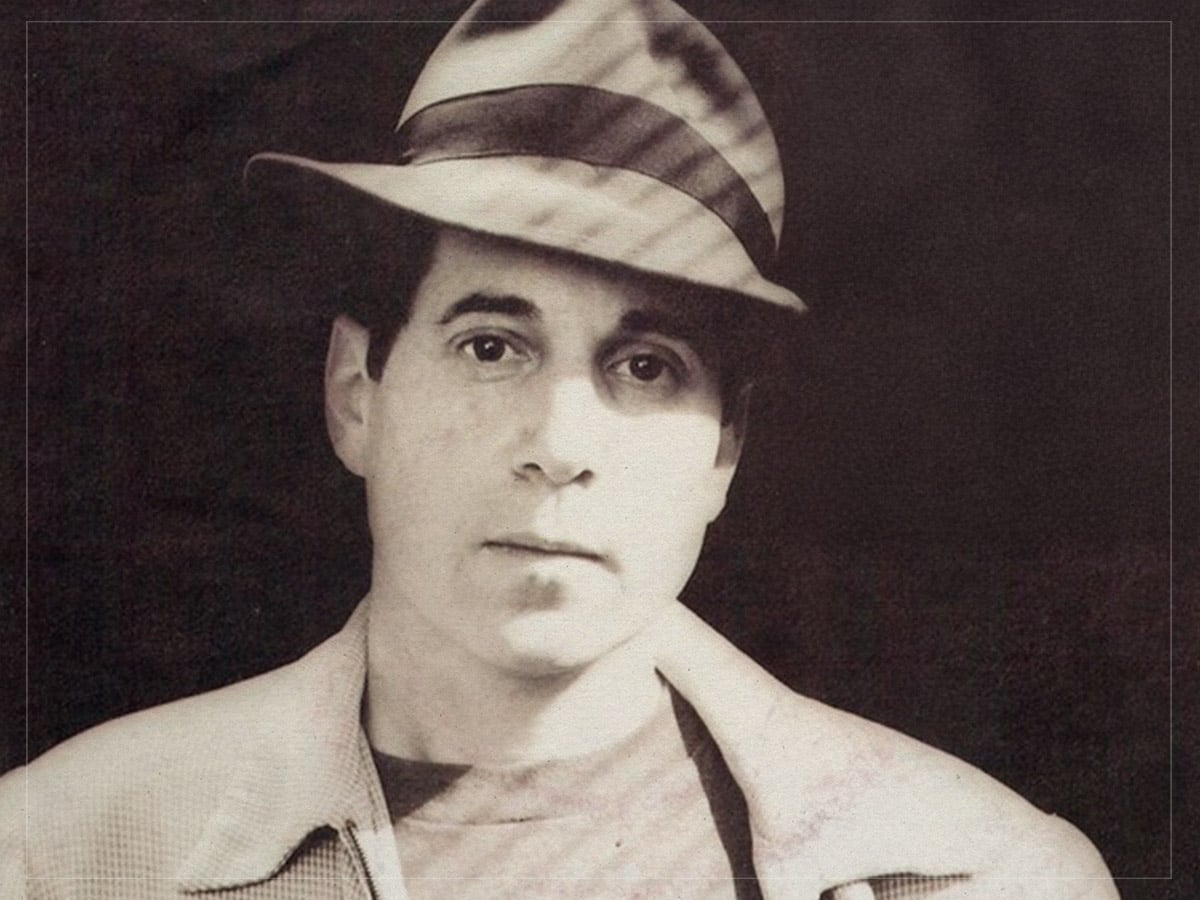
Though Hearts and Bones wasn’t a poor record by any means, Simon was hardly facing the kind of challenges that he had grown sick of. He was still making the best music that he could, but when listening to the backing tracks, everything sounded the same, no matter what song he worked on. The music and lyrics were fine, but he needed a stronger sense of rhythm whenever he worked on his future projects.
And while Graceland was the catalyst for that kind of sound, Simon had to thank Hearts and Bones for sounding so dull by comparison, saying, “I started to build the albums around rhythms in response to my frustration with the album that preceded Graceland, which was Hearts and Bones. I felt with that album that I had written some songs that were better than the tracks that went on the album. I couldn’t get things to fit together, so I ended up changing the songs to fit the tracks and then I thought: ‘My demo was better than this.’”
Looking at where Simon’s career would go afterwards, though, he seemed a lot more interested in doing an overhaul of his entire sound. His songwriting process had dramatically changed for Graceland, and since he didn’t have to worry about the sound of his records when the right musicians were there, a lot of his later records prioritised rhythm over everything else when he first laid down a track.
He was still the same songwriter that he was when he started writing ‘The Sound of Silence’, but it was a lot more important for him to focus on the rhythm first and build the rest of the song from there. Every piece of the song contributed to it being a masterpiece, but Simon’s process meant that if he lost the rhythm of one of his tunes, part of the soul was gone from it before he even began writing lyrics.