
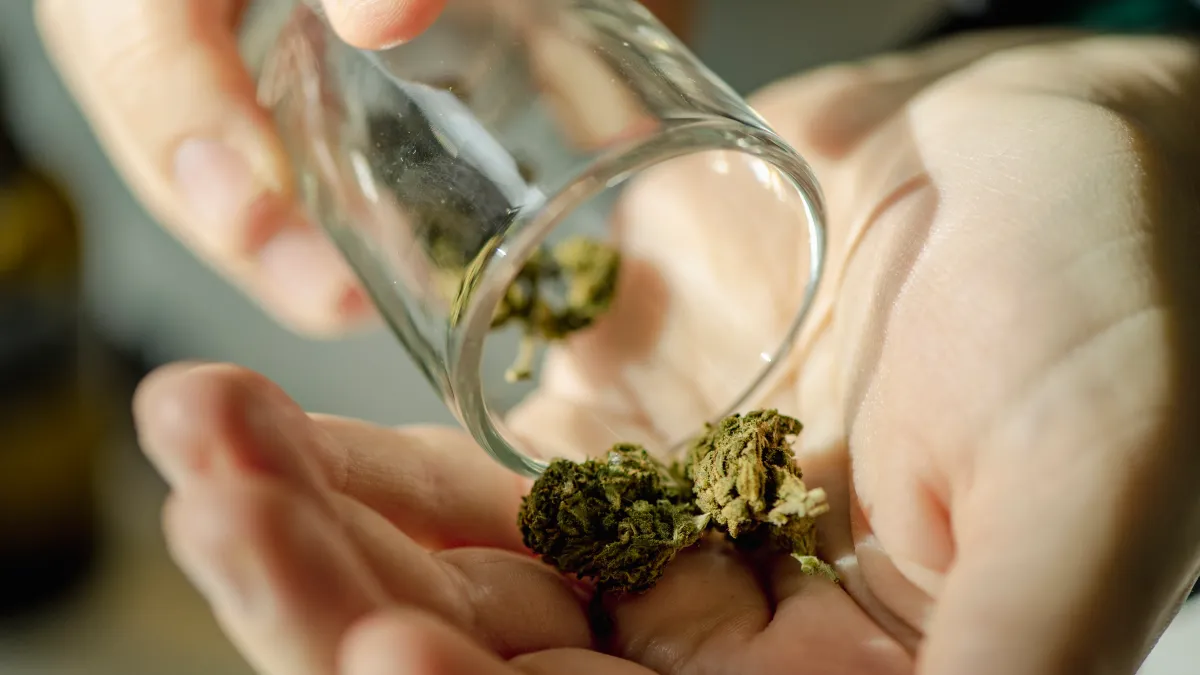
Medicinal cannabis could be doing more harm than good for people with mental health conditions, scientists have found.
A study suggests that cannabis is not an effective treatment of anxiety, depression or post-traumatic stress disorder, finding no evidence for its efficacy.
As the largest review of the safety and efficacy of cannabinoids across a range of mental health conditions, the study comes as there is increased uptake of medicinal cannabis in the UK and the US.
 Medical cannabis is becoming increasingly popular as a treatment for anxiety and depressionEkaterina Goncharova/Getty Images
Dr Jack Wilson, the lead author of the study, from the Matilda Centre at the University of Sydney, said the results call into question the approval of medicinal cannabis for the treatment of these conditions.
“Though our paper didn’t specifically look at this, the routine use of medicinal cannabis could be doing more harm than good by worsening mental health outcomes — for example, a greater risk of psychotic symptoms and developing cannabis use disorder, and delaying the use of more effective treatments,” he said.
The study, which evaluated 54 trials between 1980 and 2005, found evidence to suggest that medicinal cannabis could potentially be beneficial for some conditions, such as treatment of cannabis addiction, autism, insomnia or Tourette’s syndrome.
However, it noted that the “quality of the evidence was low” and more large-scale trials were needed.
Daily Briefing newsletter
Get our top stories and exclusive analysis sent straight to your inbox every morning.
Sign up with one click
The benefits of medicinal cannabis for anxiety, depression and PTSD had been overstated, according to the study, published in The Lancet Psychiatry.
“Despite the increasing use of cannabinoids to treat mental health disorders and Suds [substance use disorders], we found relatively weak evidence that they were beneficial compared with the placebo in most conditions,” the study found.
“It is concerning that the use of these treatments could delay or replace the use of more effective therapies. Overall, given the scarcity of evidence for efficacy and greater risk of all-cause adverse outcomes, the routine use of these medicines for mental disorders and Suds is rarely justified.”
There are about 50,000 to 60,000 active medicinal cannabis patients in the UK, according to recent studies, while almost a third of people aged 16 to 65 in the United States and Canada have used cannabis for medicinal purposes, with about half using it to manage their mental health.
In Australia, there have been more than 1 million prescription approvals and a tripling of sales of cannabinoid medications, including CBD and THC products, over the past four years.
Major medical bodies, including the American Medical Association, have raised concerns about the largely unregulated growth in prescribing medicinal cannabis and the uncertainty surrounding the efficacy and safety of these products.
The study found that medicinal cannabis was not effective for every type of substance-abuse disorder.
According to Wilson, while medicinal cannabis may help with cannabis dependence, it was found to increase cocaine cravings among people with cocaine-use disorder.
“This means it should not be considered for this purpose and may, in fact, worsen cocaine dependence,” Wilson said.
The researchers urged for greater regulation for prescribing medicinal cannabis.
“Our study provides a comprehensive and independent assessment of the benefits and risks of cannabis medicines, which may support clinicians to make evidence-based decisions, helping to ensure patients receive effective treatments while minimising harm from ineffective or unsafe cannabis products,” Wilson said.