
Ifenyinwa Chizube Ndulue-Nonso attended 15 NHS job interviews and managed to learn the correct answers through feedback – but she was rumbled just two days into her specialist role
18:03, 17 Mar 2026
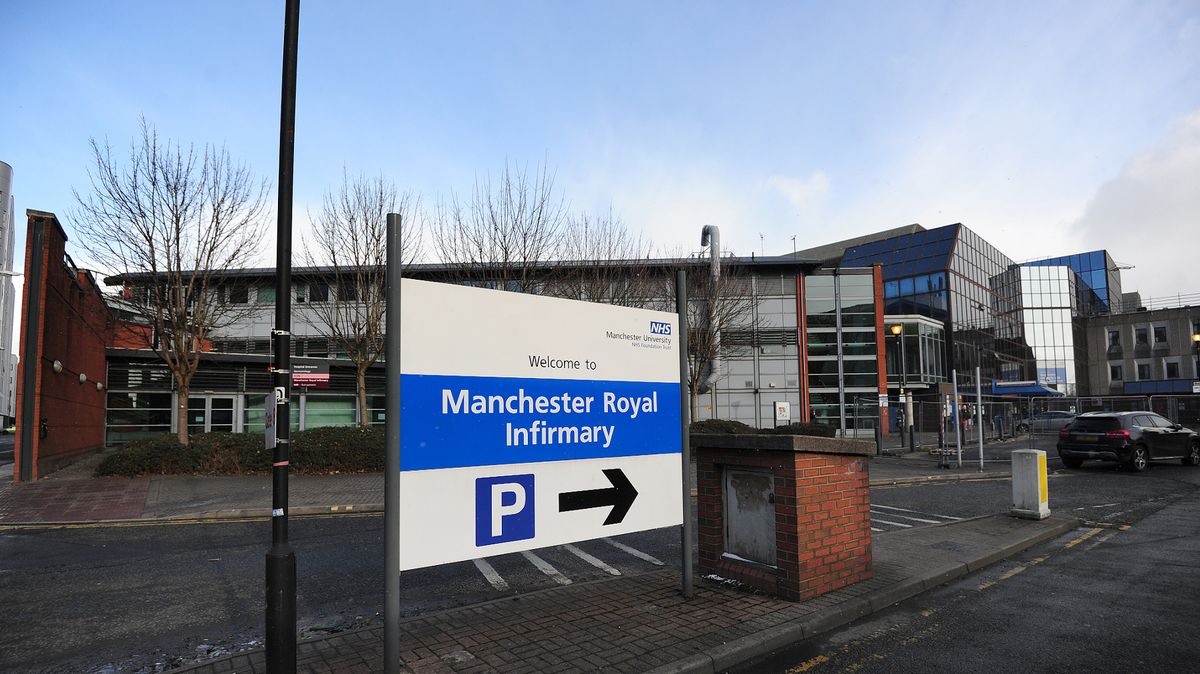
Ms Ndulue was employed by Manchester University NHS Foundation Trust. (Image: MEN MEDIA)
A woman who claimed to be an seasoned dietitian has been struck off for gross misconduct after a panel found she ‘persistently’ misrepresented her level of experience.
A hearing at the Health and Care Professions Tribunal (HCPT) Service on March 2 heard that Ifenyinwa Chizube Ndulue-Nonso had claimed to be an experienced dietician who had worked with a range of conditions.
She was said to be ‘confident’ at interview, with a score of 62%. But colleagues began to notice gaps in her knowledge just two days after starting her job within the Manchester University NHS foundation trust, the HCPT was told.
Get MEN Premium now for just £1 HERE – or get involved in our WhatsApp group by clicking HERE. And don’t miss out on our brilliant selection of newsletters HERE.
Subsequent investigations found she told colleagues that urine is stored in the gallbladder and that radiotherapy is used to treat heart failure.
Having moved from Nigeria to the UK, Ms Ndulue began her employment on February 19 2024. But alarm was already raised just the next day when she told supervisor Lorna Haywood that she had never deployed feeding through an intravenous catheter or used supplement drinks.
By February 22 Ms Haywood had informed clinical team leader Amy Barker that Ms Ndulue ‘did not know the fundamentals’ nor could calculate a BMI. On the same day she was asked which part of the intestine comes after the stomach, and incorrectly replied the large intestine.
Ms Haywood found this ‘extremely concerning’ as such knowledge is ‘basic anatomy’ and ‘fundamental’ to the role of dietitian, the hearing was told.
On February 27 Ms Haywood asked Ms Ndulue what radiotherapy is used for. “She replied ‘heart failure, to help his chest’,” the report read.

North Manchester General. It was not confirmed at the hearing which hospital Ms Ndulue worked at. (Image: Men Media)
A one-to-one meeting was arranged on February 29, at which Ms Ndulue reported ‘feeling overwhelmed and scared’ at her colleagues’ concerns.
On this same day, Ms Ndulue said that she had ‘previously done 15 NHS job ‘interviews’ and had ‘learnt the correct answers’ based on the feedback she received.
On March 6 Ms Haywood noted that Ms Ndulue ‘could not identify’ a feeding tube in a patient’s nose. “I was worried that she was unable to do this, despite it being very visible,” Ms Haywood recorded.
“She told me she was confused as she isn’t used to seeing feeding tubes, despite saying previously she had lot of experience with them. She then told me that the feeding tubes are different in Nigeria.”
Ms Ndulue was ultimately suspended on March 12 while staff investigated whether she had falsified information in her job application, as colleagues felt she was ‘unsafe to practice’.
Disciplinary hearings in July and August that year found that the information in her application ‘did not reflect’ her actual knowledge.
“She was asked what the gallbladder does,” the report read. “Her reply was that it is part of the kidney, where urine is stored.
“When asked what haemoglobin does, the Registrant eventually responded that it is a blood test sample to know the level of blood in a cell, used to test for anaemia.”
She insisted that she could ‘do’ the job ‘based on how they work in Nigeria’, where doctors ‘deal with medical matters’ and then refer patients to dietitians.
But the hearing was told that Ms Ndulue had told Mr Roberts, who saw her Googling terms he expected to know, that she ‘wrote things in her application knowing that she did not know them’.
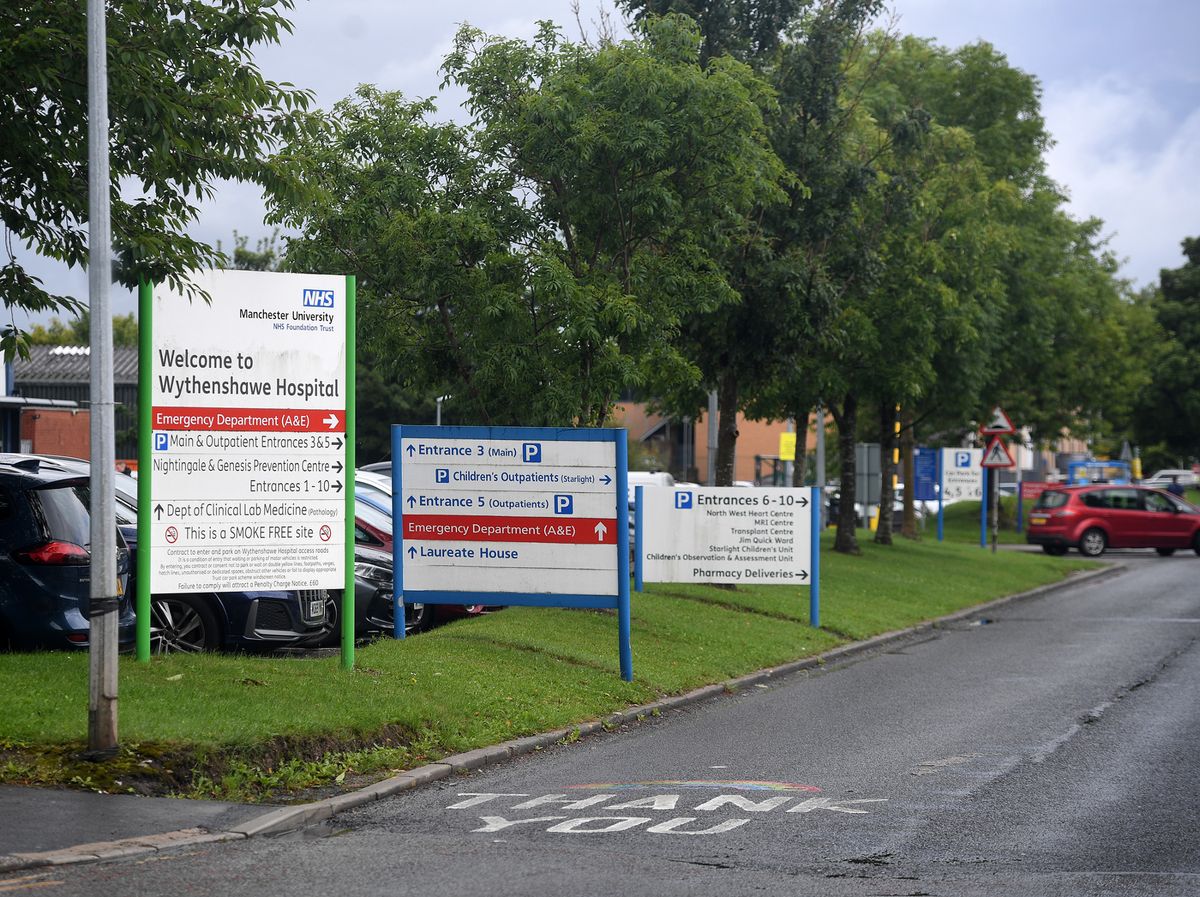
Wythenshawe Hospital. It was not confirmed at the hearing which hospital Ms Ndulue worked at. (Image: Manchester Evening News)
Of the 28 separate aspects of medicine that Ms Ndulue claimed to have experience of, the panel accepted that she claimed false knowledge of 20 of these.
Giving evidence, Ms Ndulue said that she was ‘aware’ she did not meet the standard, but ‘did not accept’ that she had no knowledge, having previously worked as a dietitian.
She said she had ‘exaggerated a bit’ but did not intend to ‘deceive’ anyone. “She had written her application based on her Nigerian experience and perspective.”
Ms Chowdhury, who represented Ms Ndulue, said that she had since been working in a care home and had apologised for her conduct. She spoke of the ‘financial and emotional’ impact of proceedings on her, who was said to feel ‘ashamed and anxious’ of her ‘out of character’ behaviour.
Ms Chowdhury also invited the panel to ‘take into account cultural differences’ in relation to the expressions Ndulue used, and submitted that there was ‘no evidence of harm’ to service users and ‘no likelihood of repetition’.
But the panel found Ndulue had committed deception that was ‘planned, wide-ranging and persistent’ and demonstrated ‘very limited insight’ and ‘little genuine remorse’.
The Standards of Conduct, Performance and Ethics stipulates that staff must ‘only practise’ in the areas where they have appropriate knowledge; be honest about their experience; and ‘make sure their conduct justifies the public’s trust in the profession’.
The panel found that Ms Ndulue had ‘intended’ to give a ‘misleading impression’ of her skills in her application, believing that she ‘would not get the role’ if she was more accurate.
“There was a significant risk of causing serious harm to patients,” the panel found, also concluding that there was ‘significant risk of repetition’.
“She had much to gain from securing employment in the UK, including the right to reside here with her family,” the report read. “She prioritised that over patient safety.”
“Her conduct was highly self-serving and demonstrated no regard for the potential impact.”
A HCPC panel found that Ifenyinwa Chizube Ndulue-Nonso had committed gross misconduct. She was dismissed, later appealing the finding, but unsuccessfully.