
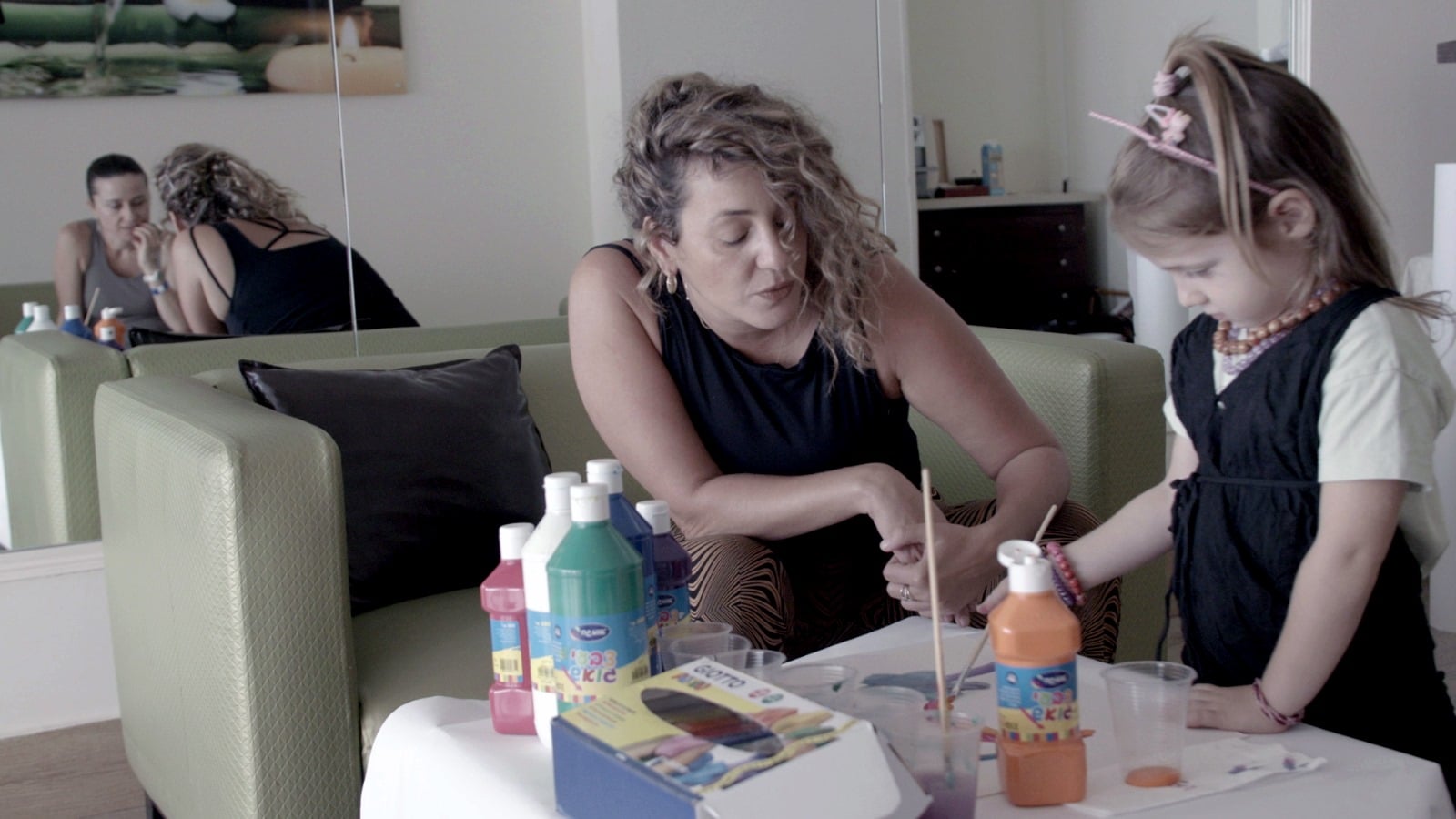
A veteran resilience organization serving northern Israel reported Wednesday that anxiety symptoms among children, such as bedwetting, soiling, panic attacks, nightmares and obsessive-compulsive behavior, have risen since the start of the current war with Iran.
Yiftach Benbenishti, CEO of the Mashabim Center in Kiryat Shmona, which is close to the Lebanese border, said there was a marked return of symptoms among children who had previously undergone treatment for anxiety and showed improvement.
Communities along the northern border have long suffered from rocket attacks from Lebanon.
The Iran-backed terror organization Hezbollah attacked Israel from October 8, 2023, in support of Hamas in Gaza, which had invaded southern Israel the day before, murdering 1,200 mainly civilians. Hezbollah agreed to a ceasefire in November 2024, but broke that agreement on March 2, after the US and Israel’s attack on Iran that killed supreme leader Ali Khamenei.
Since the start of Operation Roaring Lion on February 28, Mashabim’s hotlines have received 264 requests for one-on-one therapy, 144 of them for children aged up to 18. Of these, 80 requests relate to children aged up to six, and a further 53 to children aged seven to 12.
Get The Times of Israel’s Daily Edition
by email and never miss our top stories
By signing up, you agree to the terms
In addition, 75 couples have asked for parental guidance.
Reported symptoms include bedwetting and fecal incontinence among children who were previously toilet-trained, anxiety and panic attacks, nightmares and disturbed sleep, fear of separation from parents, apathy and emotional withdrawal, head and stomach aches with no medical explanation, and decreased concentration and functioning in lessons, which are mainly on Zoom.
“Some of the symptoms we are seeing reflect regression due to stress and anxiety,” said Prof. Mooli Lahad, President and Founder of the Mashabim Center.
“This is psychological erosion — not a weakness, but a natural response to prolonged stress. People, and especially children, are not worn down by a single difficult event, but by an ongoing difficult reality.”
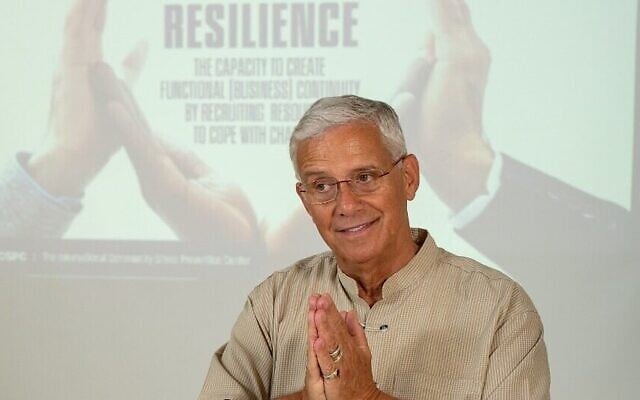
Prof Mooli Lahad, Founder and President of the Community Stress Prevention Center (Mashabim) in the northern city of Kiryat Shmona. (Mashabim)
Shahar Habar, Mashabim’s Clinical Director, said, “Most inquiries come from parents of children aged seven to 12. Teenagers and younger children express distress differently, such as through withdrawal and avoidance, and they, too, require attention.”
He went on, “Parents themselves are under significant stress and are doing the best they can under extreme circumstances. The symptoms and regression seen in children are the child’s way of communicating their emotional state. It is important not to shame the child or panic. When necessary, professional consultation is recommended.”
Mashabim therapists also reported a troubling decline in children’s trust in the adults around them. In some cases, children found it hard to believe that it was safe to leave their protected spaces. In other cases, parents themselves struggled to convey a sense of safety due to their own uncertainty.

In this undated photo, small children take part in a Mashabim activity. (Mashabim)
Said Benbenishti, “Children do not measure safety by official statements, but by the stability they feel from the adults around them. When reality becomes prolonged and destabilizing, even children who have recovered from anxiety may experience a return of symptoms. Today, we are seeing not only more children who are afraid, but children who feel the world is less predictable and less safe.”
Mashabim, which runs two state-funded resilience centers in northern Israel, recommended that parents acknowledge their children’s fear and recognize it as a natural response; maintain routine as much as possible, regarding shared meals, playtime and bedtime rituals; limit exposure to the news; provide age-appropriate explanations about what to do during alarms to help reduce helplessness; and seek professional support if symptoms persist.
Mashabim’s hotlines are available in Hebrew, Arabic, Russian and English.
You appreciate our wartime journalism

You clearly find our careful reporting of the Iran war valuable, at a time when facts are often distorted and news coverage often lacks context.
Your support is essential to continue our work. We want to continue delivering the professional journalism you value, even as the demands on our newsroom have grown dramatically during this ongoing conflict.
So today, please consider joining our reader support group, The Times of Israel Community. For as little as $6 a month you’ll become our partners while enjoying The Times of Israel AD-FREE, as well as accessing exclusive content available only to Times of Israel Community members.
Thank you,
David Horovitz, Founding Editor of The Times of Israel