
“People with this disease are being failed by the very system which should be looking after them.”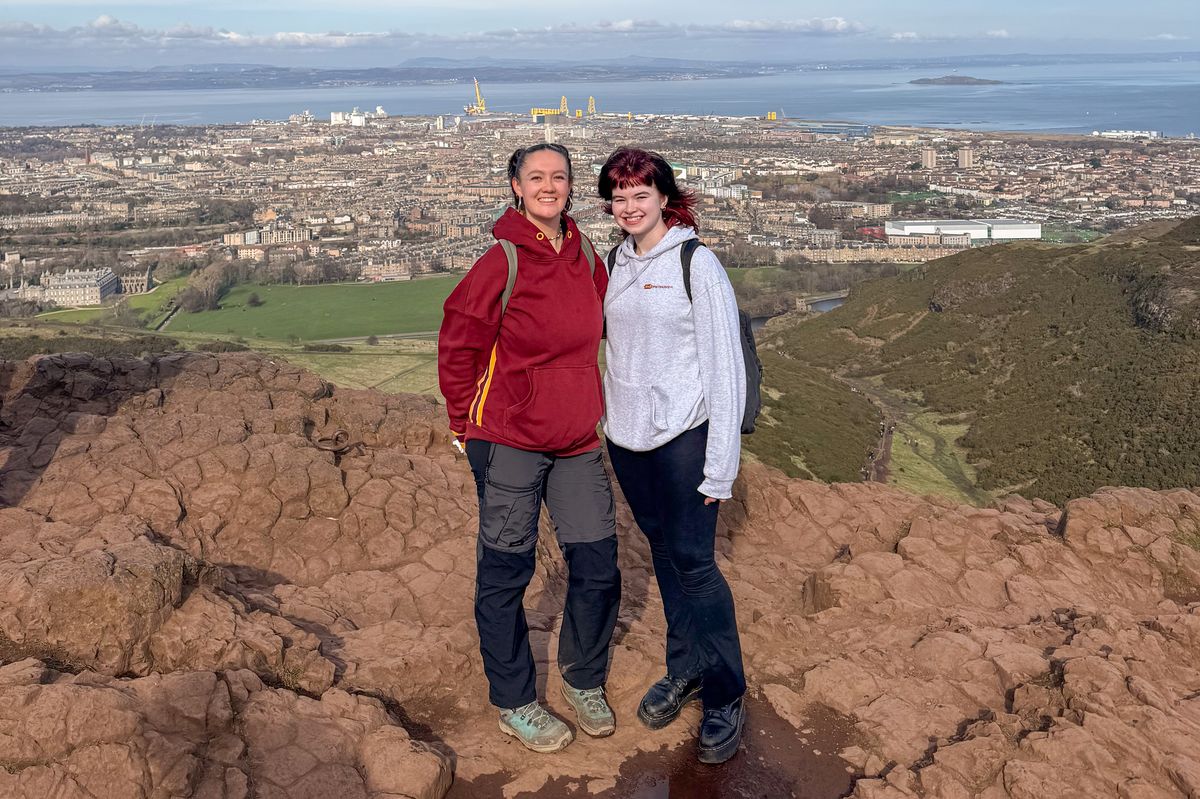
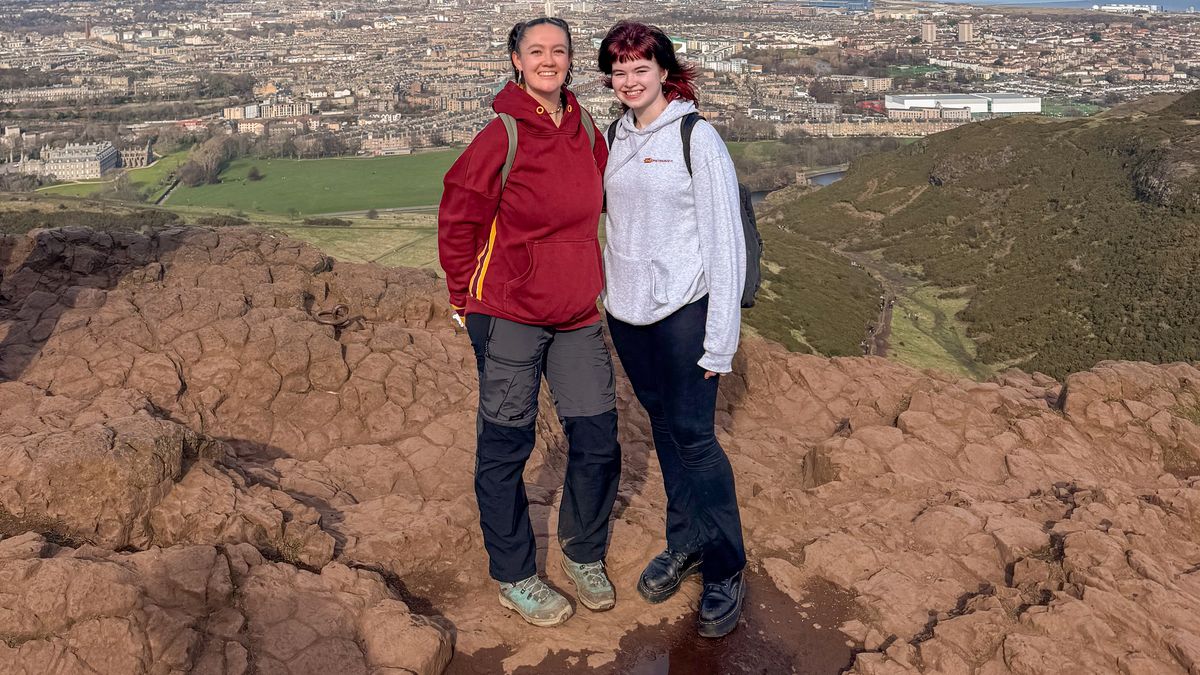
Maëlle and Esmé are taking on a charity challenge across the city this month.(Image: Supplied)
Two Edinburgh women have shared how they fought to be listened to by doctors as they endured symptoms of endometriosis. Maëlle Guennec and Esmé Capp were both diagnosed in early adulthood after years of living with the condition.
Both claim they faced dismissal from medics and were left without answers for years, despite repeatedly seeking help. They are now calling for more research, education and training on the condition, as well as better care.
With Endometriosis Action Month taking place in March, the pair are taking on a month-long challenge to climb all 10 hills across Edinburgh and the Pentlands to raise funds for Endometriosis UK.
The condition causes cells similar to those of the lining of the uterus to grow in other parts of the body. According to Endometriosis UK, The average wait to be diagnosed in Scotland is 10 years and two months, compared to nine years and four months in the UK as a whole.
Maëlle, 23, began experiencing severe pain when she started her periods at the age of 14. Despite her mum and sister having no symptoms, she thought this was normal.
She went on the contraceptive pill when she started a relationship at 16, which managed the pain but didn’t remove it completely. By age 18, she had developed dyspareunia – persistent pain during sex – and sought medical advice.
Originally from France, she now lives and works as an osteopath in the capital. She told Edinburgh Live: “At that point I knew I couldn’t live my life like that, and I had to get help.
“I visited my GP, and was sent for an ultrasound and an MRI, which I was told came back negative for endometriosis. When I went to a specialist clinic, they told me I actually did have it, and had two cysts.”
Maëlle’s diagnosis in 2023 followed alleged dismissal by professionals. She was fitted with a contraceptive coil at 18, which made all her symptoms worse and had to be removed, with one doctor trying to blame her partner for her pain, according to Maëlle.
She added: “This gynaecologist said maybe I should change my partner, because mine obviously wasn’t taking care of me and causing my pain. They also told me to see a sex therapist, because they thought I just had feelings of stress around having sex.”
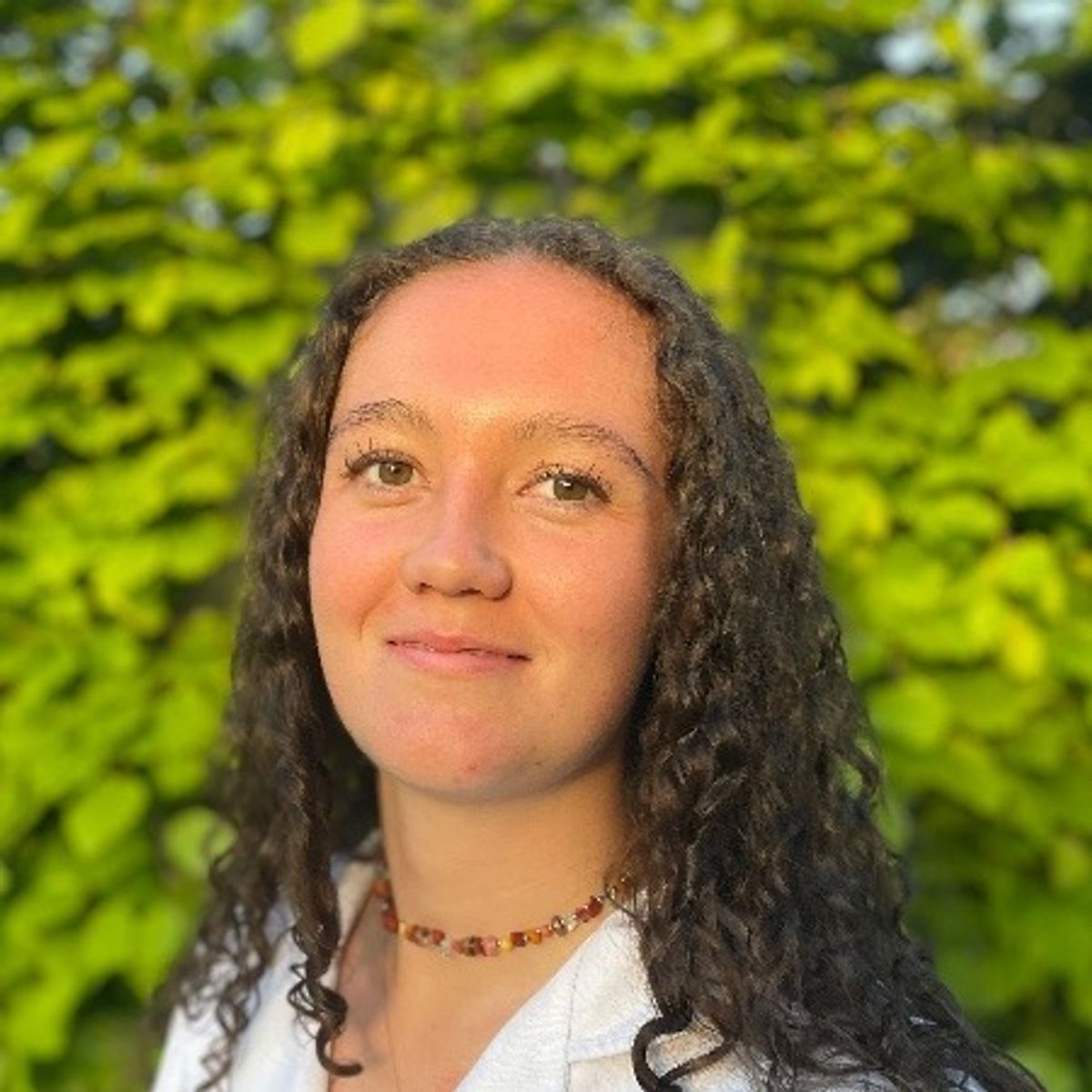
Maëlle sees several women in her clinic who believe their pain and symptoms are normal.
19-year-old Esmé was only diagnosed last month, and also started getting debilitating symptoms at 14. After her family paid £350 for a private MRI scan, the university student was told she had deep infiltrating endometriosis (stage three or four), with her ovaries “tethered” to her womb.
She says she was repeatedly dismissed by GPs and doctors in hospital, even after going to A&E last summer in excruciating pain from a month-long period, which also left her dizzy and nauseous due to blood loss.
Writing on the pair’s fundraising page, Esmé said: “This neglect has massively delayed my treatment and allowed this disease to progress to the most severe stage. It shouldn’t have to get to this point before any investigation is carried out.
“Women deserve to be listened to, believed and supported. The education and training regarding endometriosis for doctors must improve and we have to stop normalising women’s pain.
“People with this disease are being failed by the very system which should be looking after them.”
Maëlle agreed, adding she believes the options given to manage the condition are often inadequate. She said: “It’s not enough to only be given the choice of going on the pill or having surgery.
“There is so much we can do for other symptoms like bladder incontinence, constipation, pain during sex or bloating. The knowledge isn’t shared, and nobody is helping us manage our symptoms. It has to change.”
To anybody trying to get an endometriosis diagnosis, she said: “Keep fighting, don’t let doctors dismiss you. Don’t normalise pain – your symptoms are real and we all believe you.”
The pair are determined to raise awareness of the condition, as well as funds for vital research.
Maëlle said: “By taking on this challenge together, we hope not only to raise funds but also to encourage more open conversations about a condition that affects millions of us yet remains largely invisible.”
Esmé added: “People with this condition deserve so much better. We are determined to do something to raise awareness, advocate for others with this horrible disease and start the conversation on the current crisis within women’s healthcare.”
Maëlle and Esmé’s fundraising page can be found here.