
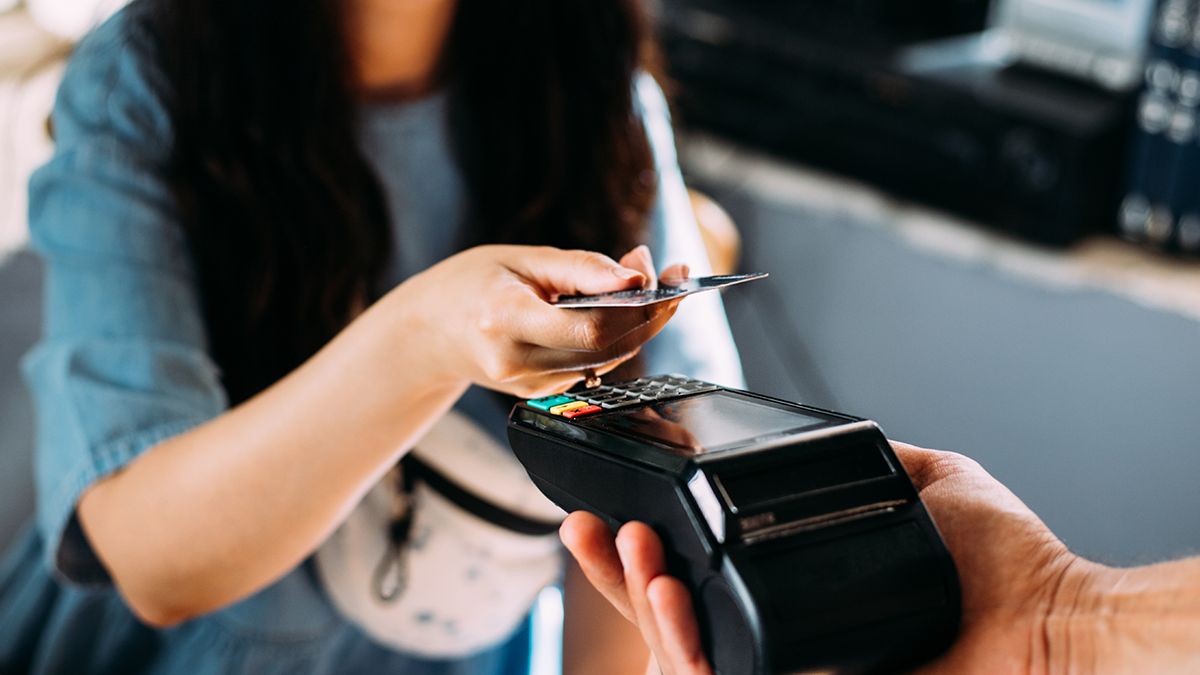
The contactless card payment limit is being scrapped from March 19, with banks able to set their own limit from this date
09:41, 16 Mar 2026Updated 17:28, 19 Mar 2026
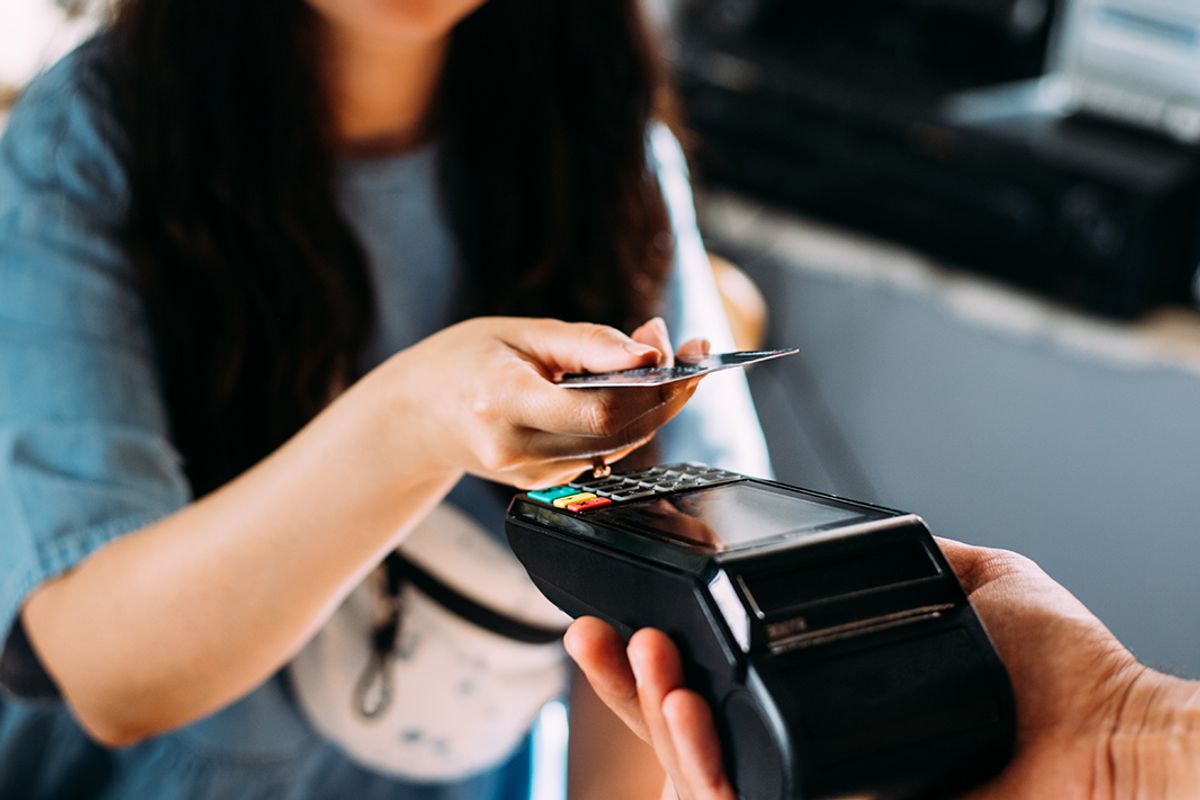
A major change to card payments is coming in(Image: Getty)
A major change to how you pay for goods at the tills when you go shopping is coming into force today.
The contactless card payment limit has been scrapped from March 19, with banks able to set their own limit from this date. The contactless limit was set at £100 and applies to both debit and credit cards.
Under the old rules, if you spent above this amount, you would be prompted to enter your four-digit PIN to authorise the payment.
If you make multiple contactless payments under £100 in a single day, you would be asked to enter your PIN if your purchases add up to over £300.
However, the new rules starting today (March 19) have seen the £100 limit be axed, with banks given more flexibility to set their own limit rules. You will also be able to set your own personal contactless limit if you want to.
Get the best deals and tips from Mirror Money
WHATSAPP GROUP: Get money news and top deals straight to your phone by joining our Money WhatsApp group here. We also treat our community members to special offers, promotions, and adverts from us and our partners. If you don’t like our community, you can check out any time you like. If you’re curious, you can read our Privacy Notice.
NEWSLETTER: Or sign up to the Mirror’s Money newsletter here for all the best advice and shopping deals straight to your inbox.
Many card providers already allow customers to adjust their own contactless limit, or turn off the function altogether.
The contactless limit was set at just £10 when it was introduced in 2007, before rising to £15 in 2010, then £20 in 2012, to £30 in 2015, then to £45 in 2020 and £100 in 2021.
The plan to axe the contactless limit was announced last year by the Financial Conduct Authority (FCA) after being put to consultation.
The FCA previously said it estimates 85% of people in the UK make contactless card payments each month, and said fraud prevention systems were improving.
David Geale, executive director of payments and digital finance at the FCA, said: “Contactless is people’s favoured way to pay. We want to make sure our rules provide flexibility for the future, and choice for both firms and consumers.”
Kate Nicholls, chairwoman of UKHospitality, said: “Making life easier for consumers is a positive for any hospitality and high street business, and I’m pleased the FCA is bringing forward this change.
“Contactless has increasingly become the preferred payment method of choice for many people and lifting the limit can mean quicker and easier experiences for consumers. While many people still prefer to use cash or chip and Pin, this change adds much-needed flexibility for providers and consumers.”
Jana Mackintosh, managing director of payments and innovation at UK Finance, said: “We welcome the FCA’s move to give banks and payment providers greater flexibility over contactless limits in the future.
“Contactless is a very popular and secure way to pay. While we do not expect to see any immediate change to the £100 contactless limit, any changes made in the future will be done carefully and ensure strong security and fraud controls remain in place.”
– NatWest
NatWest has no immediate plans to change the contactless limit. If anything changes, its customers will be made aware.
The bank already allows customers to switch on and off contactless and amend their limit below the standard £100, if they want to. Customers can set their payment limit through their banking app.
– Santander UK
The bank does not have any current plans to change the contactless limit from £100.
Santander’s customers can already switch off contactless or set their own limits, in £5 increments.
– Lloyds
Customers of Lloyds and the banking group’s Halifax and Bank of Scotland brands can already set their own contactless payment limits in their apps, in £5 steps, up to £100.
The bank has said it is committed to keeping that flexibility. It currently does not have plans to change the limits.
– Barclays
Personal banking customers with a Barclays debit card can set their own contactless limit, up to £100, within their Barclays app. The bank will continue to apply the £100 card payment limit.
– HSBC UK/First Direct
The contactless limit will remain at £100 for both brands. Customers are currently not able to set lower limits within their app.
– Nationwide Building Society/Virgin Money
A spokesperson said: “We do not have any immediate plans to increase the current £100 contactless transaction limit although we will continue to keep this under review over the coming months.”
Nationwide customers already have the ability to set contactless card limits at below £100 if they want to within their banking app.
– TSB
TSB is not increasing the cap beyond the £100 level it is currently set at.
Its customers can already use the TSB app to lower the £100 limit if they wish or remove the contactless option altogether.
– Starling Bank
The bank is currently reviewing the limit increase changes and no decisions have been made yet.
Its customers are already able to set their own single transaction contactless limit and this will continue. They can change their cap by setting the amount in their Starling app, sliding the scale from £100 all the way down to £0.
– Monzo
The bank’s customers can already customise their contactless limits in the Monzo app, including lowering their limit or turning off contactless payments.
Monzo regularly reviews payment limits. There are no changes to its contactless payment limits at the moment and customers will be informed if there are any changes to products or features.
– Revolut
The bank is not currently planning to raise the contactless transaction limit but plans are being kept under review.
Revolut customers cannot currently set lower contactless limits than £100, but they can set monthly spending limits, capping the total amount that can be spent on that card via all payment types.