
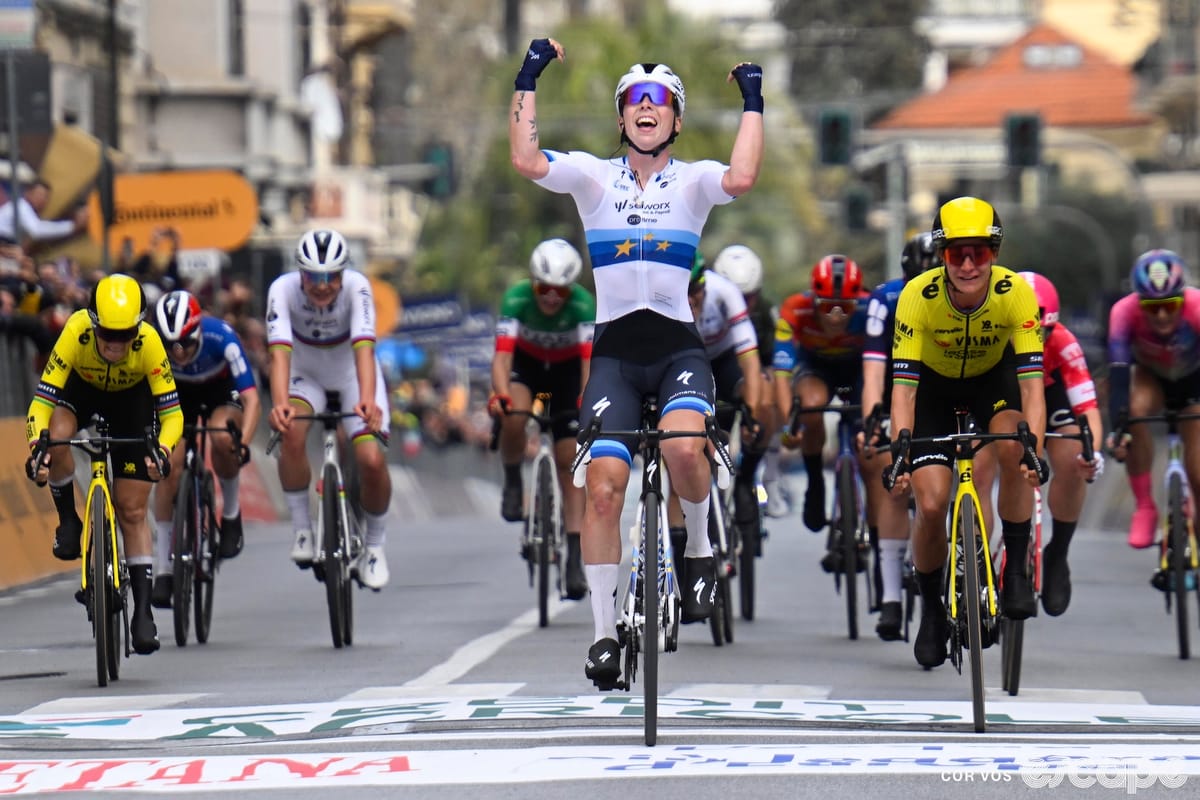
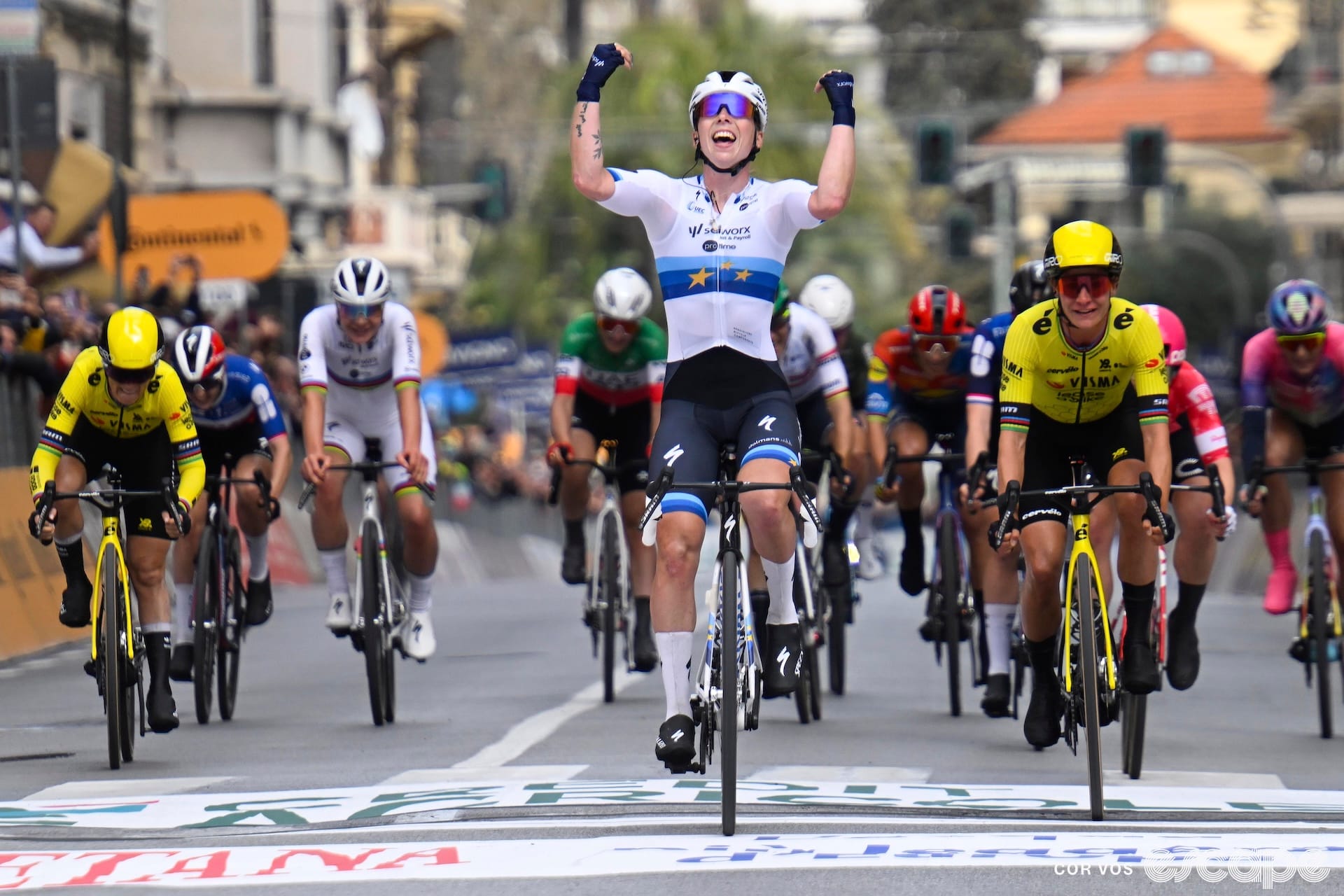
The race could come down to one sprinter vs. a whole lot of riders who want to take her down.

The Holy Trinity – the new trio of Italian races that starts with Strade Bianche, followed by the Trofeo Alfredo Binda, and capped by Milan-San Remo – is set to conclude on Saturday.
Strade Bianche is for the “climbers”, the riders who tend to also feature in the week-long stage races during the summer. The Trofeo Alfredo Binda is for the opportunists, for the younger riders, the domestiques, or those sprinters who can make it over climbs. It’s a mixed bag.
Milan-San Remo … well, it’s a scoop of tiramisu straight out of the drawer. It’s Basilico e Limone gelato on a hot day. It’s the Amaretti with your after-dinner coffee or a Pànera with a homemade waffle. Only in its second edition, Milan-San Remo is already a highlight of the calendar, with the startlist to prove it. Last year, Lorena Wiebes won from a select group of top riders, but Elisa Longo Borghini nearly stole the victory from under her with a gutsy late-race move. Since the race is so new, the peloton is still learning the many ways the race can be won. Even with the men’s edition in its 117th edition, the riders are proving that nothing is set in stone.
Racing so far this season has been aggressive. It’s been dynamic. The stakes are high, and more and more women are rising to the top to claim the prizes. Milan-San Remo will likely continue the trend and is expected to be an active day of racing, culminating in either a surprise winner or the one rider who cannot be beaten on a flat road.
The Basics
When: Saturday, March 21 @ 10:35 CET (expected finish 14:30)
Where: Genova to San Remo, 156 km
Live coverage: 🇦🇺 SBS @ 22:30 AEDT, 🇪🇺 HBOMax @ 12:30 CET, 🇬🇧TNT/Discovery+ @ 11:30 GMT, 🇨🇦 FloBikes @ 3:30 PST, 🇺🇸 HBOMax @ 6:30 EST
How to watch pro bike racing in 2026
A complete guide for how to watch the Tour de France and every 2026 men’s and women’s WorldTour road race for audiences in the US, Australia, Canada, and the UK, plus tips on how to save money.
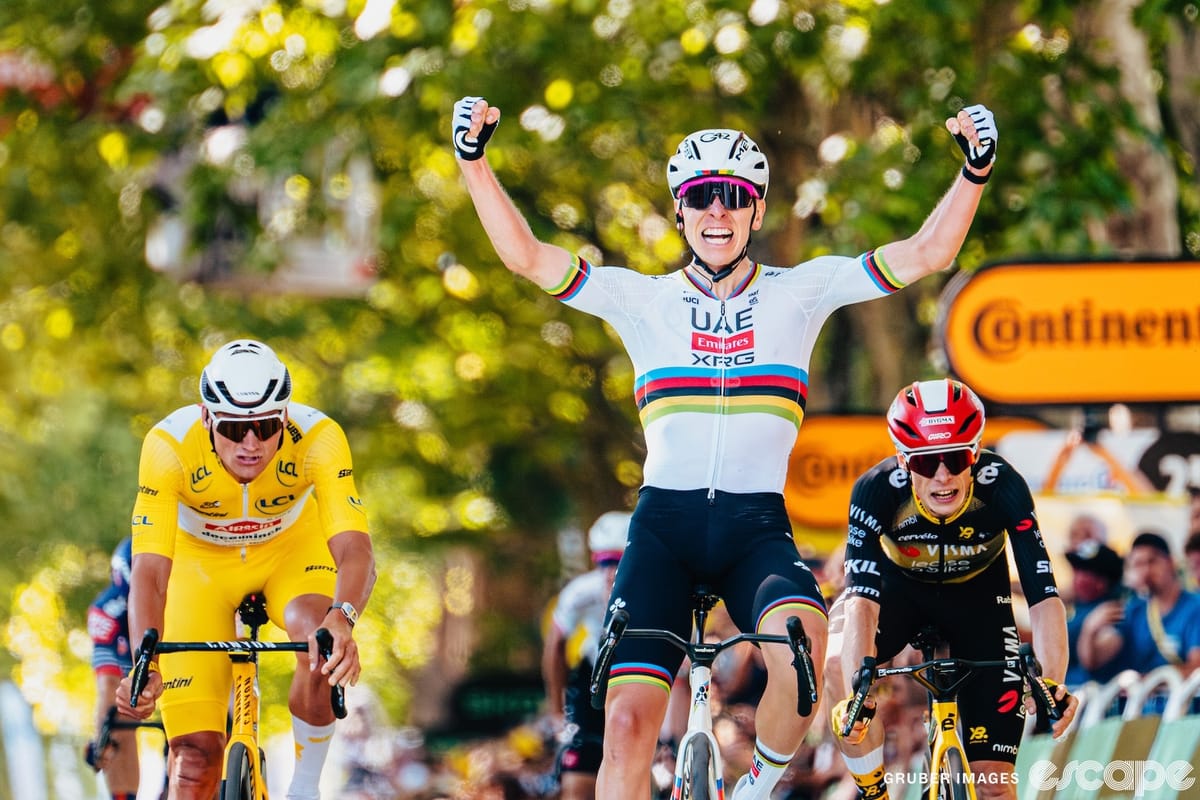 The favourites
⭐️⭐️⭐️⭐️⭐️: Lorena Wiebes
⭐️⭐️⭐️⭐️: Cat Ferguson, Marianne Vos
⭐️⭐️⭐️: Kim Le Court-Pienaar, Puck Pieterse, Lotte Kopecky, Elisa Longo Borghini
⭐️⭐️: Kasia Niewiadoma-Phinney, Elisa Balsamo
⭐️: Letizia Borghesi, Noemi Rüegg
Important note: We are still waiting for rosters from Liv AlUla Jayco, Uno-X Mobility, Lidl-Trek, Fenix-Premier Tech, FDJ United-Suez, and EF Education-Oatly, so there could be some missing names here.
You can find the known startlist here.
The weather
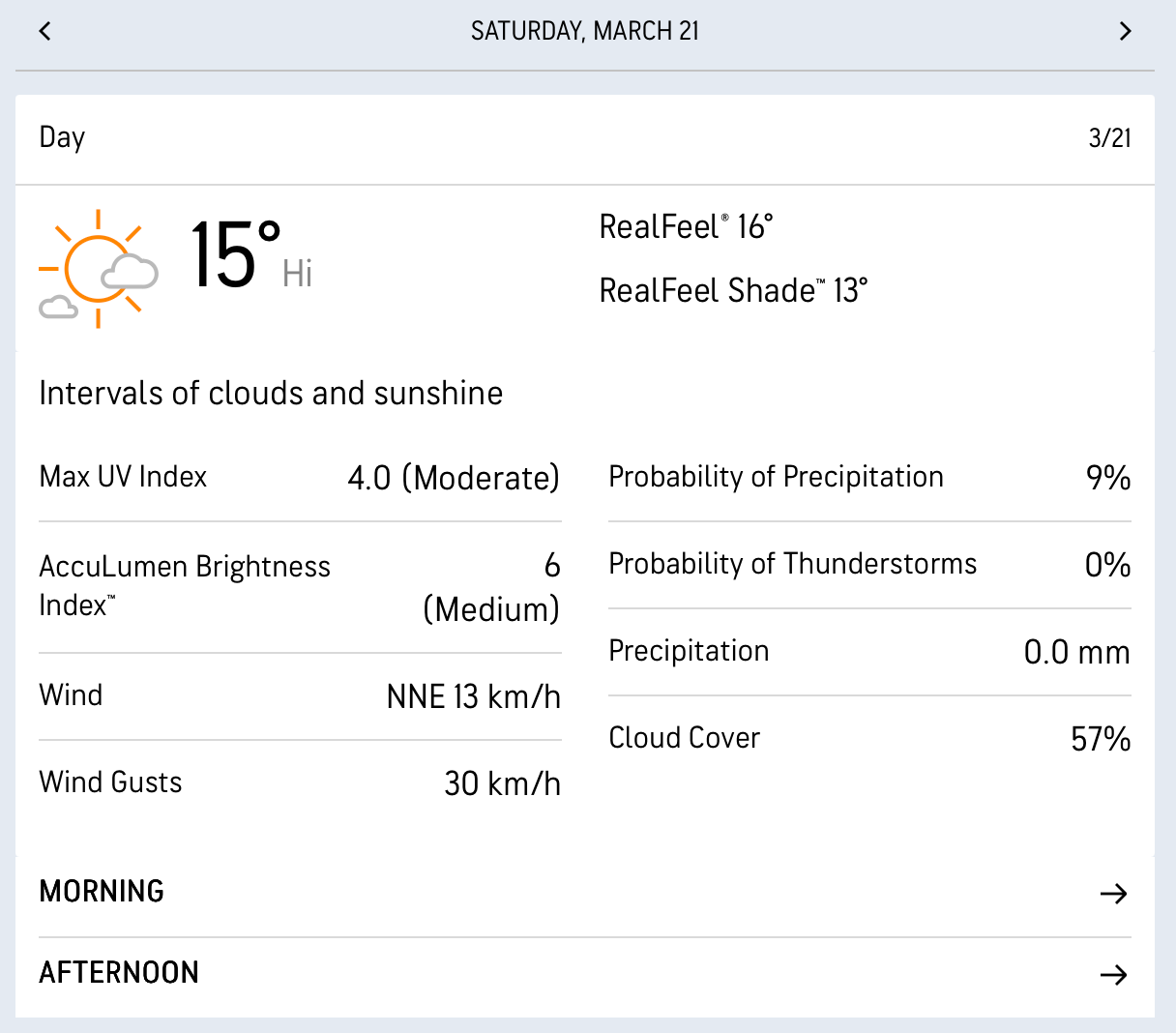
It is unlikely that the weather will have much impact on the race. Predictions have the temperature neither hot nor cold, perfect for a day out on the bike. There shouldn’t be too much wind and there’s only a very, very low chance of precipitation. Still, there’s always a chance something changes.
 The route
At only 156 km, the women’s route lacks the length that defines the men’s event. The men’s race is 300 km and lasts the majority of the day, and although the women’s race is on the same roads as the men’s, they join the course only in Genoa, where the women roll out.
The length of the women’s edition of Milan-San Remo will probably always be a talking point, purely because it’s the ridiculousness of the 300 km men’s race that makes the other race so spectacular. For the women, even though they could race for 300 km, you’d be hard-pressed to find a woman in the peloton who wants to. Women’s racing is defined by how much action the riders can pack into a shorter course, and that’s exactly what is going to happen on Saturday.
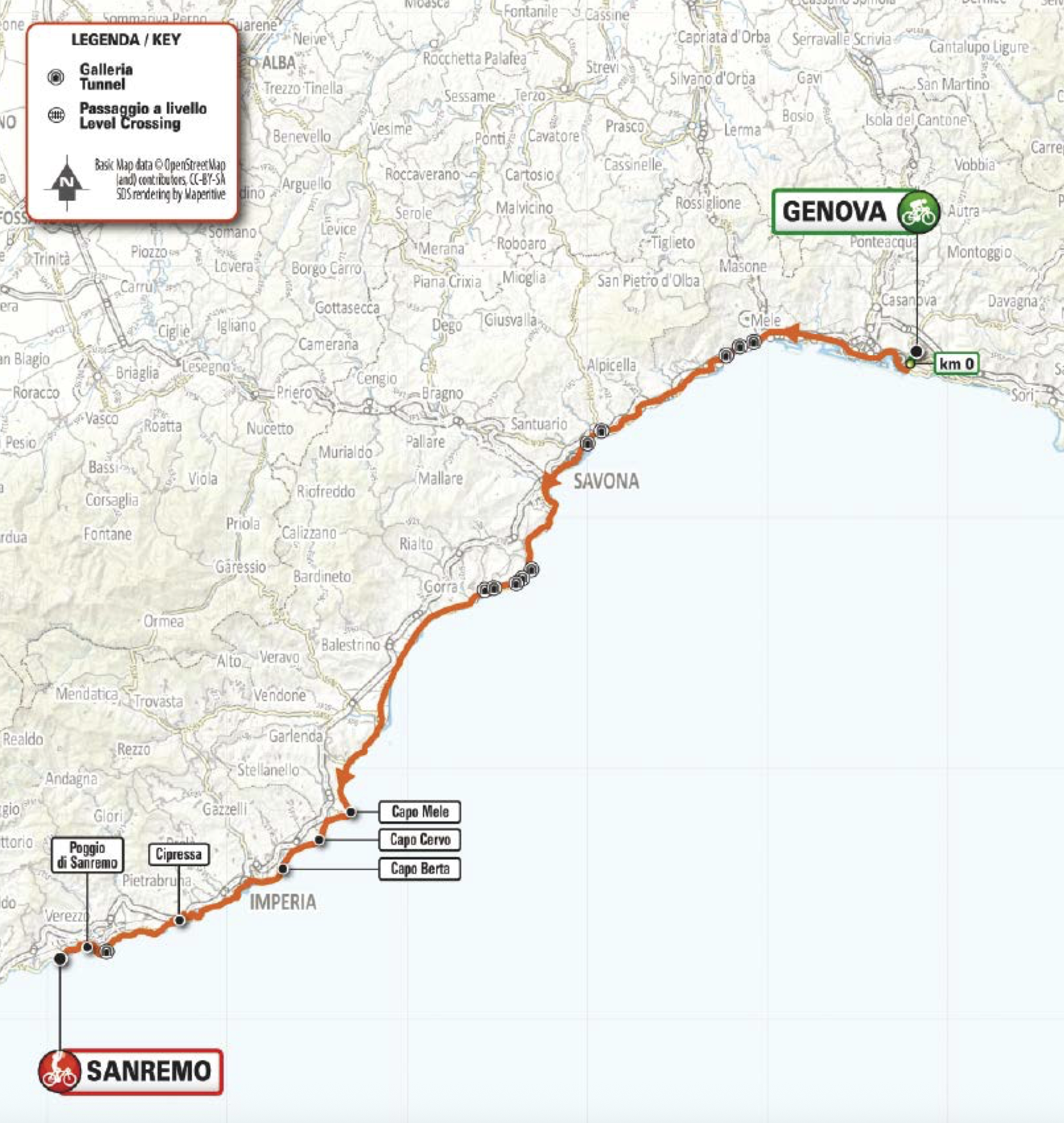
For both the Omloop Nieuwsblad and Strade Bianche, the biggest one-day races so far this season, the speeds were high, the riders were antsy, and the attacks were furious. Before the live coverage even kicked off for Strade Bianche, half the peloton was already gone, thanks in part to the pressure from FDJ United-Suez. That probably won’t happen at Milan-San Remo, but we will likely see attacks well before the final two ascents of the Cipressa and the Poggio that mark some of the best racing all year.
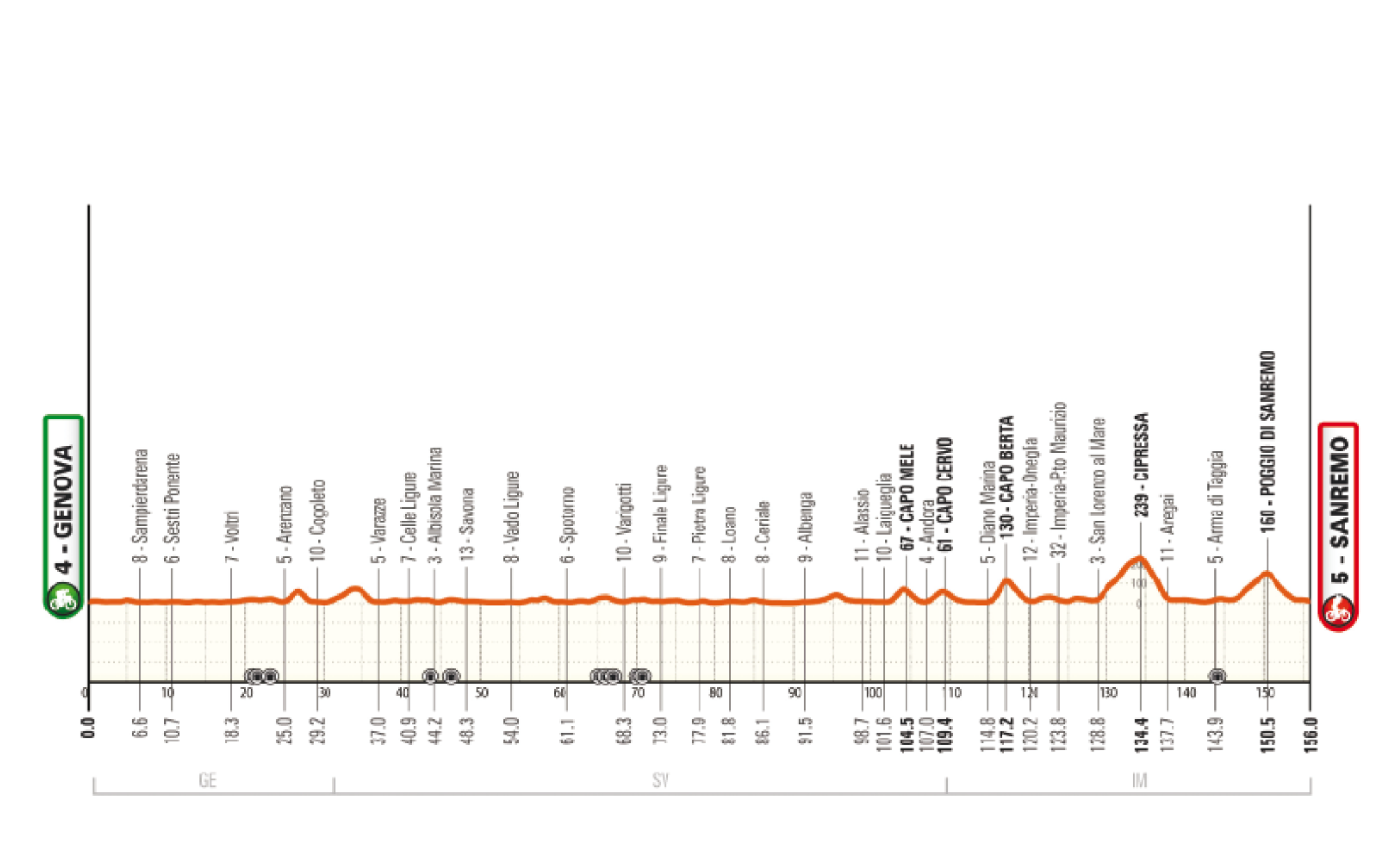
The first 93 km of Milan-San Remo are relatively flat, with only a few small climbs to break up the jaunt along the coast. Once the riders reach the final 63 km, the true action will start. When the peloton reaches the trio of climbs between Albenga and Imperia, it’s game on, starting with the Capo Mele, a 1.8 km climb averaging 3.6%. Only 5 km later is the Capo Cervo, which is slightly longer at 2.1 km, but a little more gradual as it averages 2.5%.
This post is for paying subscribers only
Subscribe now
Already have an account? Sign in
Did we do a good job with this story?
👍Yep
👎Nope