
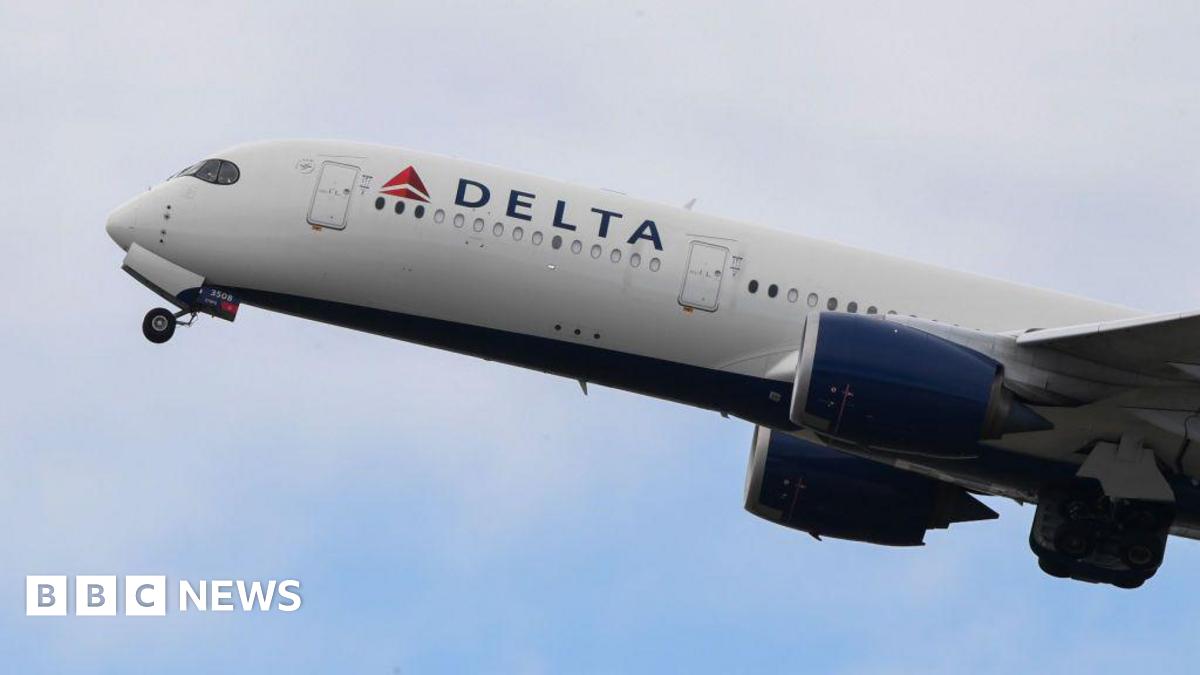
Last year, 25 people were injured when a Delta Airlines flight, travelling from Salt Lake City to Amsterdam, hit “significant” turbulence just two hours into the long-haul flight, and had to make an emergency landing.
In 2024, passengers and crew on a Singapore Airlines flight experienced a terrifying five seconds of severe turbulence. One passenger died and dozens were injured, as those without seatbelts rose out of their seats and fell back down.
Turbulence is not uncommon during flights, and while cases of strong or severe turbulence seem to be rising, they are still very rare.
Estimates show that there are around 5,000 incidents of severe-or-greater turbulence every year, out of a total of more than 35 million flights that now take off globally.
Severe turbulence is defined as when the up and down movements of a plane going through disturbed air exert more than 1.5g-force on your body – enough to lift you out of your seat if you weren’t wearing a seatbelt.
As climate change shifts atmospheric conditions, experts warn that air travel could become bumpier: temperature changes and shifting wind patterns in the upper atmosphere are expected to increase the frequency and intensity of severe turbulence.