
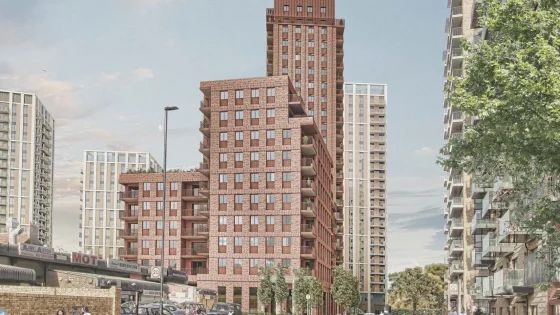
A winding-up petition was issued against the London-based practice by the HMRC last April and the High Court officially ordered the company to be wound up last month.
The company was set up in June 2004 by founder Marcus Claridge and by 2018 had nearly 20 staff, though that number had dropped to 14, according to figures submitted to Companies House two years ago.
An official receiver has now been appointed to manage the company’s insolvency and to establish what assets, if any, exist.
Claridge Architects’ most recently filed accounts for the year ending 31 December 2024 showed the practice owed £906,828 in overdue taxation and social security payments. The previous year the company had owed £821,982.
The business had reported that it had more liabilities than assets on its books for a couple of years. The company’s accounts for the year ending 31 December 2023 show it had net liabilities of £312,132, with the amount of cash in the bank and at hand falling from £52,000 to -£20,000 over the period. In the subsequent accounts for 2024, the practice showed a negative net worth of -£297,532.
The practice had continued to win planning consents for major schemes until very recently, including a number of large residential schemes.
In December Glasgow City Council waved through the practice’s 100 Morrison Street residential tower in Tradeston. The 19-storey block, housing 420-studio flats, is set to become the city’s first large-scale co-living development.
Three months ago Claridge Architects got the go-ahead for a 22-storey tower containing 215 flats in Southall, after a seven-month deferral ended in councillors at Ealing Council accepting a lower proportion of affordable homes.
Last week the the practice, with client Galliard Apsley Partnership, won approval for what would become Bristol’s tallest tower – a controversial 22-storey, four-blocks scheme on land south of Princess Street in Bedminster.
It is unclear what will now happen with future design work on the schemes following Claridge Architects’ liquidation.
However, Robin Norstrom of Apsley House Capital, the client behind the Bristol scheme, told the AJ: ‘We have worked with Marcus Claridge and Claridge architects for almost 10 years and will continue to support the team in whatever capacity possible.’
Marcus Claridge has been contacted for comment.
News of the practice’s demise comes as the RIBA Future Trends survey for February 2026 actually showed an improvement in confidence among practices – although the data was collected before the recent escalation of hostilities in the Middle East.
The architectural firms surveyed as part of the monthly industry bellwether reported workloads 6 per cent higher than a year ago, the first year-on-year increase since summer 2022.
Adrian Malleson, RIBA Head of Economic Research and Analysis, said: ‘February’s Future Trends results appear encouraging, with workloads rising and confidence improving following a difficult second half of 2025. For the first time since summer 2022, practices report that workloads are higher than a year ago.
‘However, recent geopolitical developments mean the outlook remains uncertain. Rising energy costs and the potential impact on inflation and interest rates could affect construction activity and architects’ workloads in the months ahead.’
He added: ‘Commentary from practices continues to reflect a mixed picture. While some report improving sentiment and stronger pipelines of work, others highlight stalled projects, cautious clients, planning delays, regulatory complexity and intense fee competition.’
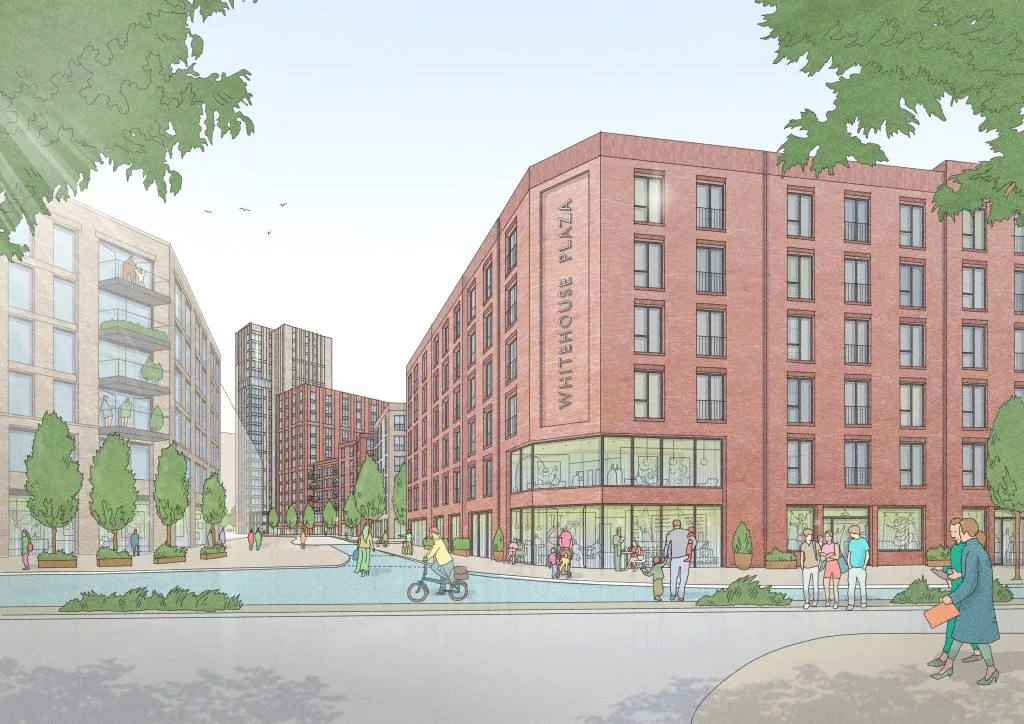
Claridge Architects’ Princess Street scheme in Bristol