
Our solar panels may have been built the wrong way.
Over the past half-century, scientists have been studying the molecular properties that create energy. A new study has made a discovery that will have an impact on the solar power subsector. The solar industry has become the undisputed king of the renewable energy sector, but issues remain.
How has this physicist combined these energy crystals that normally avoid each other like the plague?
Our energy production now exceeds demand across the world
The demand for energy from the international market is rising.
The world is entering a new era where our collective energy production is outpacing demand, leading to a surplus of energy resources. The International Energy Agency has predicted that by the end of 2026, the global surplus of oil will reach 4 million barrels per day.
Over the first half of last year, renewable energy generation far outpaced the conventional sector.
Operation Epic Fury in Iran has seen several nations, including this one, standing ready to deploy their strategic oil reserves to fill the gap left by the current war in the Middle East.
A global oil shortage has left many leaning on the renewable energy sector
As the conflict in Iran shows no signs of ending anytime soon, the world is facing a perilous situation.
Nearly a fifth of the world’s oil supply passes through the Straight of Hormuz, which has seen oil tankers being attacked in retaliation for the US military conducting airstrikes on Iran. To alleviate the concerns over insufficient oil imports, countries are deploying huge labyrinths of oil reserves.
While geopolitics plays out in the Middle East, new advancements in renewable energy technology are emerging.
Scientists have been studying every conceivable form of new energy generation. From new types of solar panels that can be folded up and transported as easy as pie. Folding modular solar panels offer the world a chance to generate power, no matter where you might find yourself.
A new study, “Decoupled charge and heat transport in Fe2VAl composite thermoelectrics with topological-insulating grain boundary networks,” published in Nature, has made a remarkable finding.
Smashing energy crystals together to produce vast amounts of power
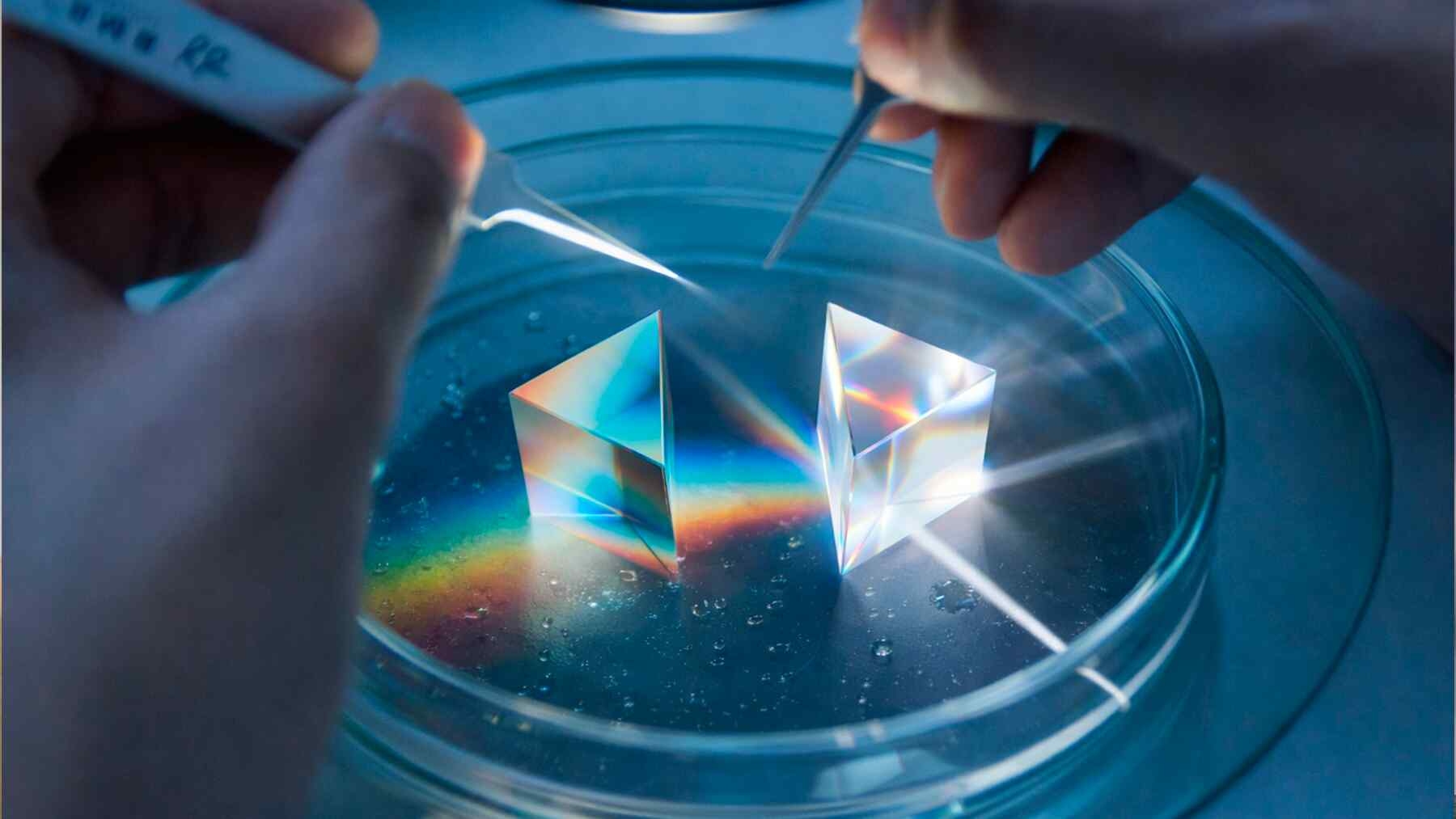
The recent study found that researchers were able to “smash” together two crystals that normally avoid each other by any means possible.
The team was able to force together a “hard” energy crystal, namely Fe₂VAl, which is an iron-based alloy that has remarkable properties for conducting electricity. However, this energy crystal normally loses most of its power when too much heat is passed through it.
The “soft” crystal refers to BiSb, which acts like a “topological insulator” that insulates the heat, allowing for higher efficiency in energy production.
This discovery is super important for the solar power sector
We know that even the most advanced solar panels face a moment of shutdown and less-than-favorable efficiency in some cases.
By combining these two energy crystals that normally repel each other, the researchers may have accidentally stumbled on a new method to capture and store solar power far more efficiently.
Solar panels actually lose a large portion of the energy they capture as “waste heat”.
Meaning that they could become far more stable and efficient if the new findings are applied to the next generation of solar panels. The current crop of solar panels simply is not able to capture this excess heat, but by applying the findings made in the study, we might have a new method to store energy.
Under the right circumstances and with this new energy hack, our solar panels may be able to produce enough energy to fully disconnect from the national grid.
Are you prepared to wave goodbye to the oil market for good?