
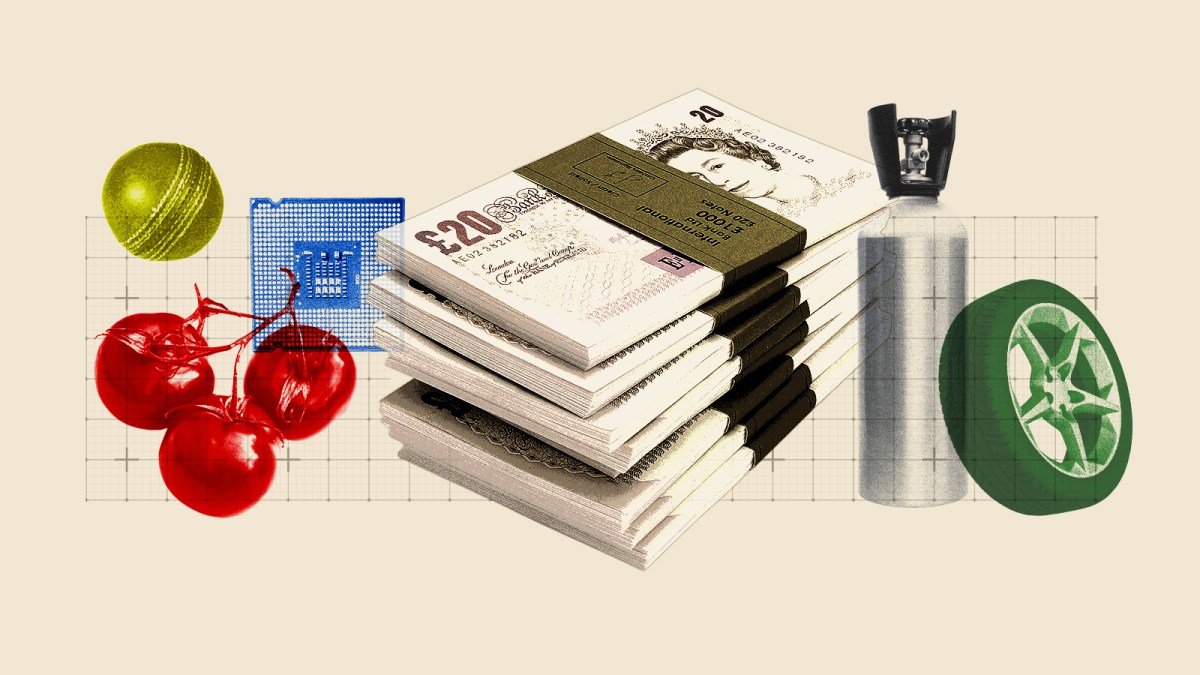
A month ago, interest rates were set to fall, bills were coming down and food prices had halted their relentless climb.
Experts warned of the impact of a prolonged war, a threat that appears to have materialised. The knock-on effects of the bombing of Iran will be felt by British households for months.
The price of diesel has increased by 24p, or 17 per cent, since the start of the conflict, and petrol is up 12p, or 9 per cent. Simon Williams, RAC head of policy, said that “further rises look all but inevitable going into next week”.
The RAC forecasts that the average price of a litre of unleaded is likely to reach 150p by Easter, and diesel possibly 180p. That means the cost of filling a 55-litre diesel car could breach £100.
What’s the latest on energy prices?
On Friday the latest prediction from Cornwall Insight, an energy consultancy, suggested the typical energy bill would rise by £332 a year in July. This means a typical dual-fuel household would pay £1,973 a year, up from the Ofgem price cap of £1,641 that applies from April 1 to June 30.
Households that rely on heating oil, and are not protected by the price cap, have already seen prices more than double, meaning a 500 litre tank could cost £700 or more.
How much will my mortgage go up?
Before the outbreak of war, the Bank of England had been expected to reduce its base rate from its current 3.75 per cent to 3.5 per cent. But higher energy costs mean higher inflation, and hopes of interest rate cuts are gone.
Some City traders are forecasting the Bank rate could be raised three times in 2026, potentially to 4.5 per cent.
Almost 1,000 mortgage deals have disappeared since March 9. Rates are at their highest in more than a year and deals under 4 per cent have almost entirely disappeared.
There are about 1.2 million homeowners on fixed deals that will expire in the next six months, according to the Financial Conduct Authority (FCA). About half a million are on tracker mortgages.
As of Friday, the average two-year fixed rate was 5.35 per cent, the highest since April last year, Moneyfacts said. That is an increase from 4.83 per cent at the start of March.
Monthly repayments on a 25-year £200,000 mortgage would be £1,210 at 5.35 per cent, compared with £1,149 at 4.83 per cent. The average five-year deal is 5.39 per cent.
Are flights more expensive?
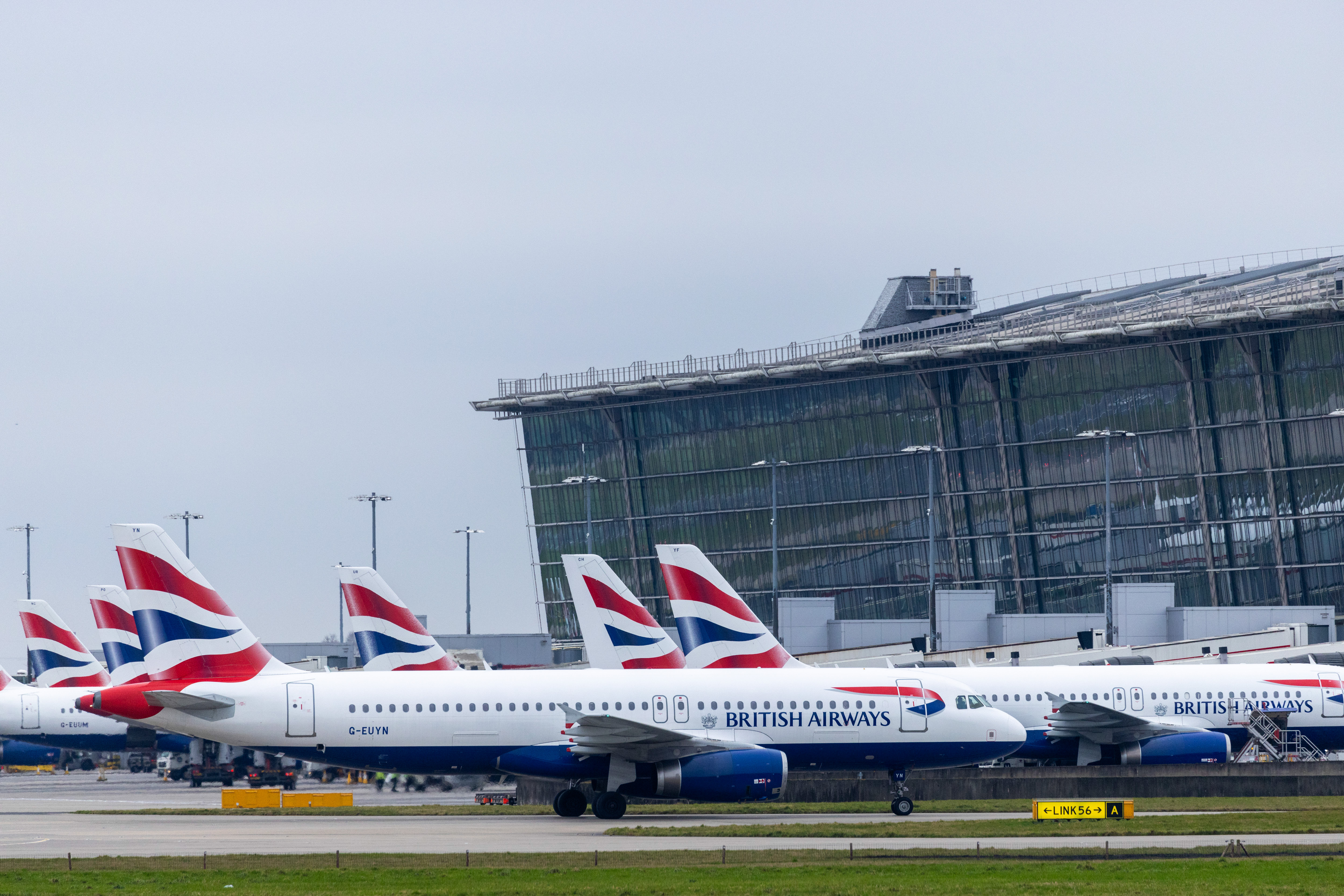
Airlines including Cathay Pacific, Qantas, Thai Airways and Air New Zealand have raised fares, adding a fuel surcharge of up to £110 per flight in some cases.
Many airlines hedge against their fuel, or buy in advance at a fixed price, meaning the real impact will not be felt until next year. Airlines such as easyJet have urged their customers to book their summer holidays now or risk higher air fares later in the year.
Demand for long-haul destinations such as Mexico and the Caribbean is rising
JASON ALDEN/GETTY IMAGES
Is it safe to book a flight now and where should I go?
Industry experts have warned that airlines could be forced to stop serving some long-haul destinations, and even cancel flights because they may not be able to get fuel for the return journey
Countries like China and Thailand have halted exports of oil to maintain their own supplies, meaning neighbours such as Vietnam could run low.
Conflict in the Gulf has led many Britons to look for alternative long-haul destinations such as Mexico and the Caribbean, and travel agents have reported strong demand for the Maldives and Mauritius.
With demand rising so are prices: economy flights to parts of the Caribbean are now an extra £1,000 per person in some cases.
Will the Strait closure hit food bills too?
The Gulf is a source of about a third of the world’s fertiliser.
If farmers in the northern hemisphere cannot get fertiliser for spring planting, yields and the quality of crops will fall, affecting everyday items in the supermarket.
Tom Bradshaw, president of the National Farmers’ Union, said the price of bread is likely to rise in the autumn as farmers leave fields fallow.
Consumers will see price rises soon on items flown in from abroad, such as green beans from Kenya and asparagus from Peru, he said.

Food packaging costs could rise as the conflict threatens supplies of CO₂
LEON NEAL/GETTY IMAGES
In six weeks or so, a rise of about 15 per cent in the price of tomatoes, peppers and cucumbers is possible as growers grapple with the cost of heating their glasshouses with gas. The price of rice and noodles could rise because of transport costs, by 8 per cent and 20 per cent respectively, Wanis International Foods, which handles brands like Tropical Sun Foods, said.
Food packaging, which needs carbon dioxide, could also get more expensive if there are shortages of this gas from the Gulf.
What else do we import from the Gulf?
Chemicals from fossil fuels are used in a wide array of everyday goods. That includes plastic, rubber, glass, detergents, car tyres, nylon, synthetic drugs and cosmetics.
This week the chemical maker BASF, which counts Unilever as a customer, said it would raise the price of domestic and industrial detergents by 30 per cent or more.
Another chemical company, Lanxess, said it would increase prices for tyre materials by 50 per cent.
Will prices rise across the board?
Almost all companies pay for energy and to transport goods.
Bloom & Wild, the online florist, warned this week it may have to raise its prices if the war continues.
Sir Tim Martin, founder of the JD Wetherspoon pub chain, warned that higher energy costs would soon force him to raise prices.
The drinks trade is particularly vulnerable because of the high energy costs for brewing, refrigeration, heating pubs and bars, and transporting alcohol.
There is some concern about computer chips going up in price because helium, used as a cooling agent in their manufacture, cannot get through the Strait of Hormuz, but industry sources said this had not reached crisis point yet.
Even cricket could be affected. The maker of Dukes cricket balls said it was introducing rationing, giving clubs half their allocation at the start of the season because of a logjam in shipping and air freight.