

Another year goes by without England making a dent in the Six Nations Championship. We have now had five losing records in eight seasons, compared with four titles, including one grand slam, in the 23 years since England won the World Cup. That is not a great return, and I think that we have got our priorities all wrong.
There is too much focus on the World Cup and on long-term planning. The Six Nations is an important competition in its own right and English rugby is not set up to give ourselves the best chance of winning it.
The introduction of central contracts for the England squad was overdue but they do not go far enough. The players still serve different masters. Steve Borthwick has more influence over his core group of 25 players than any previous head coach but he cannot control how much they play or in what position. If you want to succeed at international level, then the head coach needs to have more say in what the players are doing, like Andy Farrell has with Ireland.
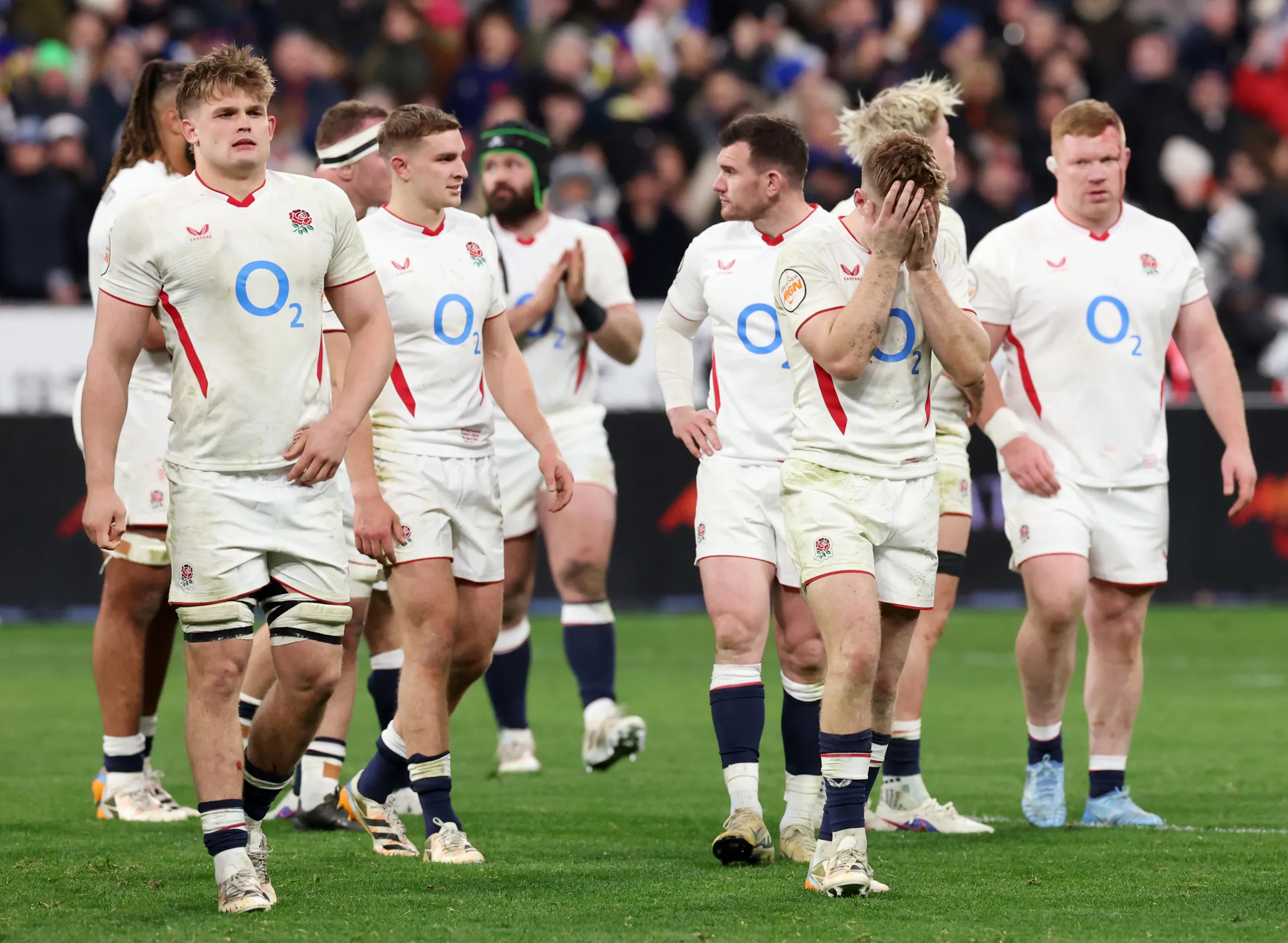 England cut a dejected group in Paris but the damage to their Six Nations hopes had been done in the preceding games David Rogers/Getty Images
I am not saying that the clubs cannot be trusted. Not at all. They only have the players’ best interests at heart. But their aim is to build through a season and peak in the play-offs. Meanwhile, England need players to be Test-match ready in November, again in February and then firing in July.
The physical and emotional strain that places on a player can be too much. It looked to me like some of the England boys who went on the British & Irish Lions tour were struggling to hit the emotional intensity required to compete at the highest level.
You cannot exist in that headspace indefinitely. The best players are playing in all the biggest competitions. The Six Nations demands that you reach an emotional peak five times in six weeks. But if that comes on the back of a Lions tour, a four-Test autumn and some important club matches, then it can be too much.
France have had similar club-country tensions in the past and it was always the national team that paid the price. The 2023 World Cup was a big driver in bringing the Top 14 and Les Bleus closer together but their structure is still similar to England’s — yet they have won back-to-back titles. They are competing for the championship every year along with Ireland, who have a centralised system designed to prioritise the national team.
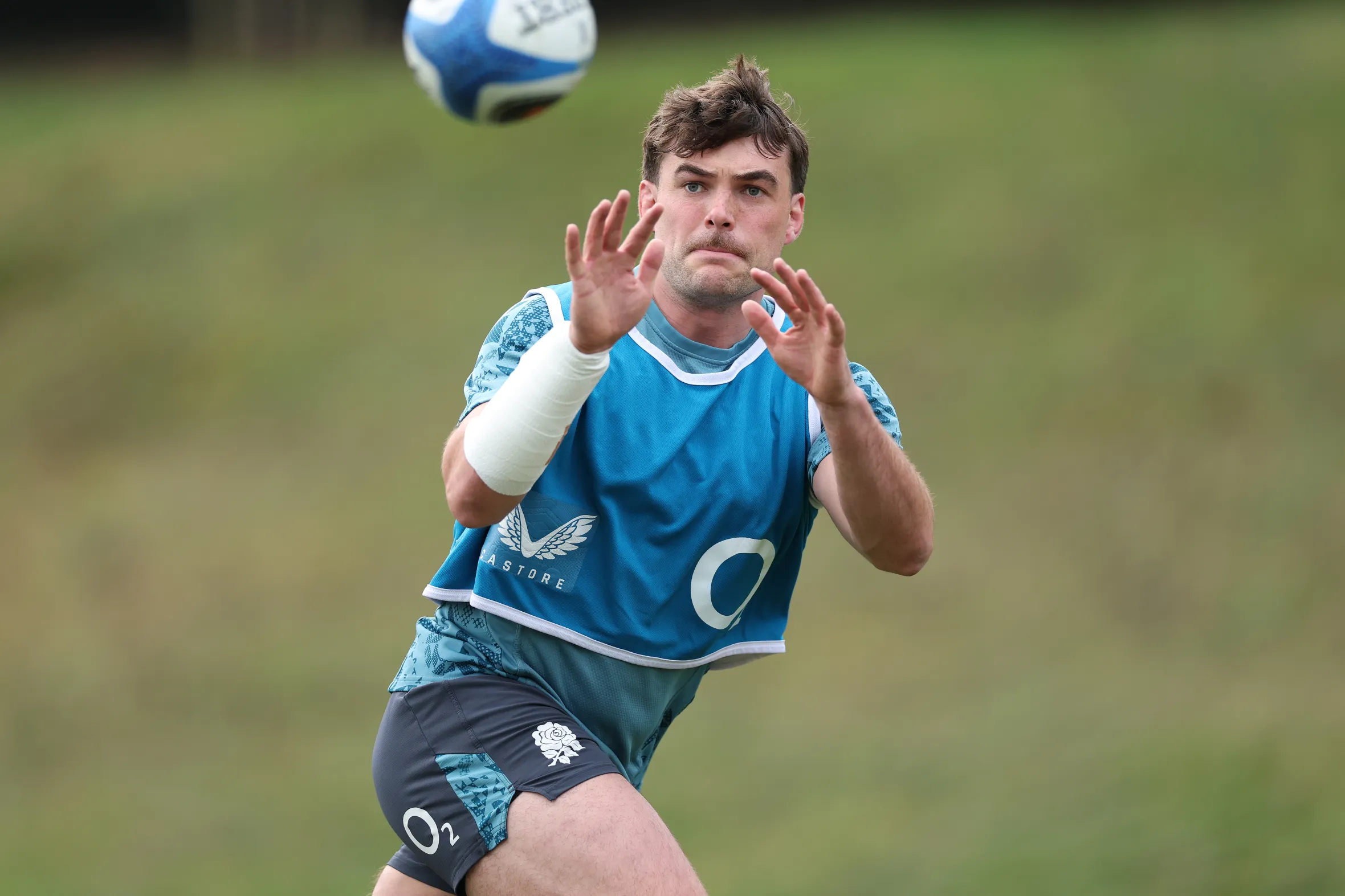 At his best Furbank is the perfect all-round player at No15 Dan Mullan – RFU/The RFU Collection via Getty Images
Fabien Galthié, the France head coach, benefits from building his team around a core from Toulouse and Bordeaux Bègles, which has a direct bearing on cohesion and understanding. England had been working towards building their back line around a group of Northampton Saints stars but finished the Six Nations fielding six players from seven different clubs.
France also benefit from being able to select all their best players, each of whom is given absolute licence to bring their own character to bear on the team. Maybe the one area of compromise was between Antoine Dupont and Matthieu Jalibert, two playmakers who run the show for their clubs. But the Toulouse scrum half and Bordeaux No10 found a perfect balance.
England, however, are not picking all their best players. The RFU policy of not selecting those based abroad is damaging. You can’t tell me that England wouldn’t have a better chance of winning a Six Nations title — or even the World Cup in 2027 if you insist on looking that far ahead — with a squad featuring Kyle Sinckler, Jack Willis, Tom Willis and David Ribbans.
England are also not playing to the strengths of the players they do pick, or at least not often enough. The game against France in Paris showed what is possible. The Gallagher Prem is a fast-paced, attacking league. It would be nice for England to play like that. The most important thing for me is for the England players to replicate what they do in the Prem.
You could argue that England’s poor Six Nations record is offset by us being competitive at World Cups, reaching the final in 2019 and finishing third in 2023.
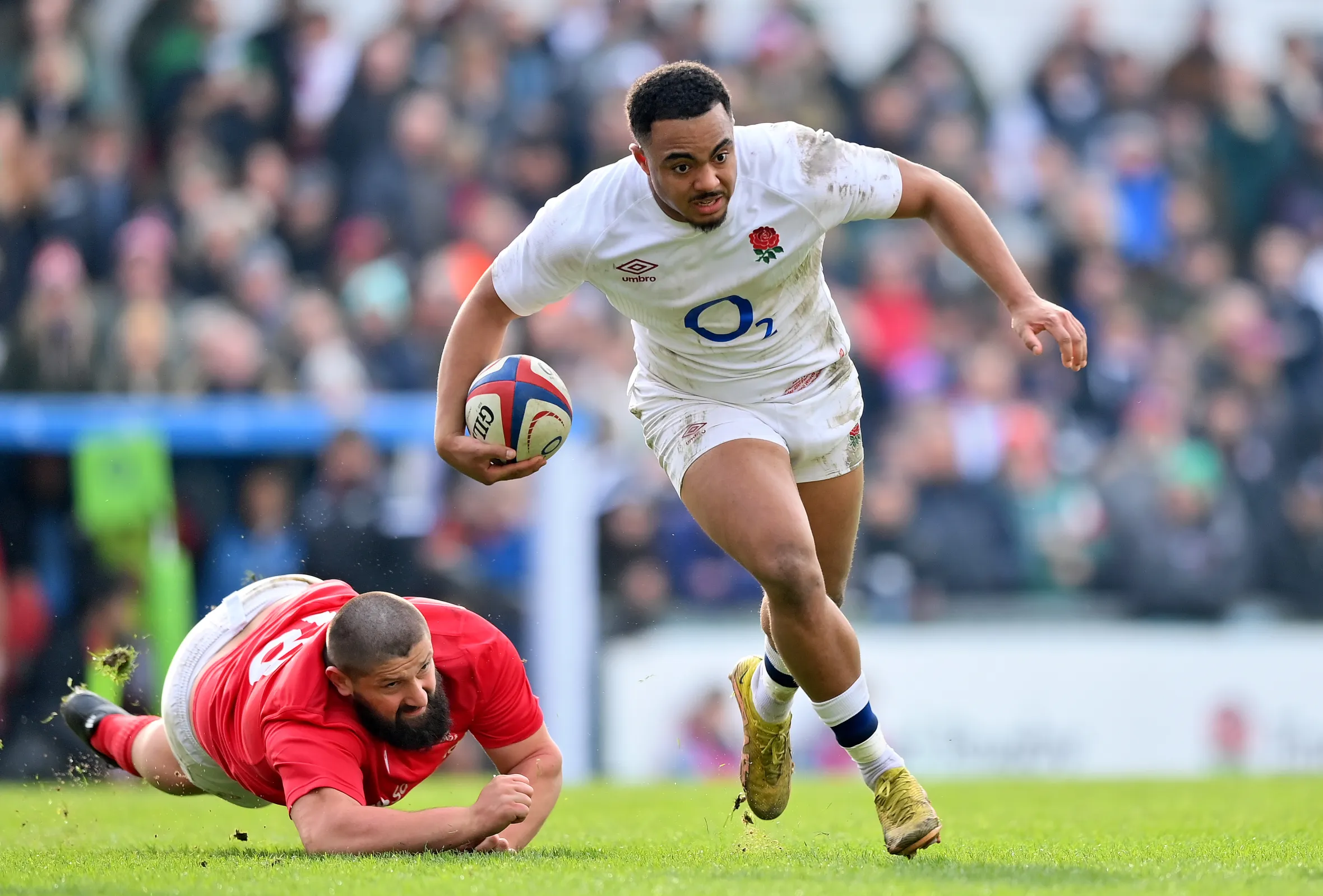 Ojomoh, with his speed and good hands, evokes memories of Joseph Patrick Khachfe/Getty Image
World Cups historically have been tighter affairs. You don’t win a World Cup final 48-46 — the scoreline when France clinched the grand slam against England last Saturday. That may be the case. But if a knockout game at a World Cup demands a more pragmatic, controlled, risk-averse approach, then draw up that game plan when it is needed.
This Six Nations was all about how good you were in attack and England were caught out because their game plan had been built on what worked for them in the autumn. They did not react to what was unfolding in front of them until it was too late. England ended the championship in much the same place as they were two years ago, when they suddenly cast off the shackles against France, lost a narrow game at the death and left everyone wondering what might have been.
England’s remaining fixtures this year
Summer (Nations Championship)
July 4: South Africa (Ellis Park, South Africa)
July 11: Fiji (Hill Dickinson Stadium, England)
July 18: Argentina, (Estadio Único Madre de Ciudades, Argentina)
Autumn (Nations Championship)
November 8: Australia (Allianz Stadium, England)
November 14: Japan (Allianz Stadium, England)
November 21: New Zealand (Allianz Stadium, England)
Nations Championship finals weekend
November 27-29: Opponent TBC (Allianz Stadium, England)
The next challenge is an arduous summer tour with Tests against South Africa in Johannesburg, Fiji at the new Everton stadium and then Argentina in Santiago del Estero. It’s so tough, but the recipe for England was there in Paris, as it was in Lyon two years ago. They have to play to their strengths, not limit them.
That does not mean throwing the ball from everywhere. But look to attack first and if it’s not going anywhere, then kick and put the pressure back on them. It’s not a total game shift. It’s a mindset shift. England did not play risky or brave rugby against France. They just played with more intent and tried to make things happen.
England will not contain South Africa. You cannot go there looking to defend and kick back to them because the Springboks will relish that. That is the game they love. They want to use their back three.
England will have to fire some shots. To do that they will need fundamentals to be in place — and they are. England’s scrum was excellent. When they finally picked Ollie Chessum in the back row, their lineout and maul became a weapon once again.
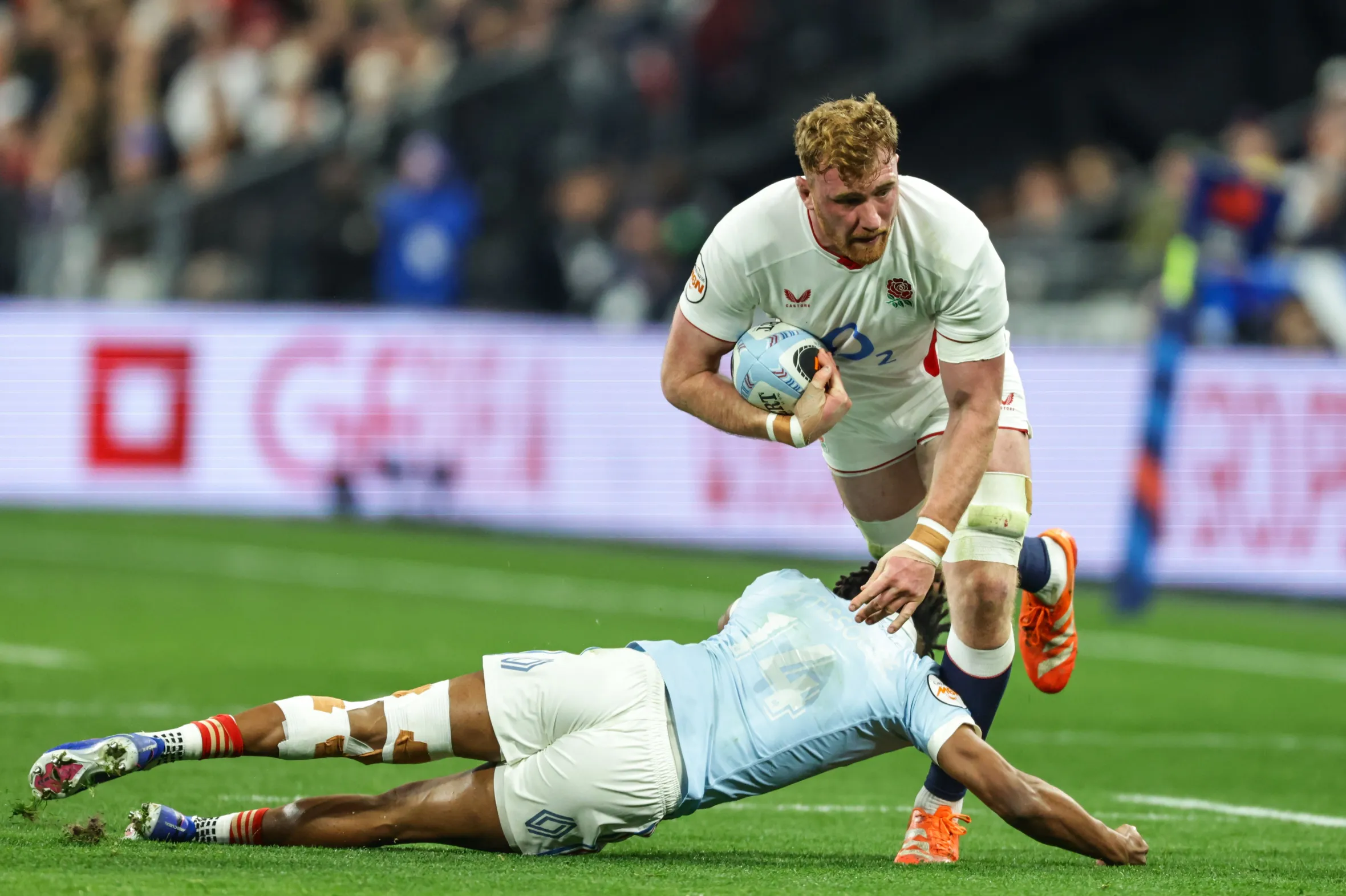 Chessum’s presence at blind-side flanker has made a difference for England before an arduous summer Ezzat/NurPhoto/Shutterstock
England absolutely need Chessum at blind-side flanker and George Martin back in the second row. If you can hold your own or get an edge in the set piece against South Africa then you have a way into the game.
George Furbank needs to come into the team at full back. He just hasn’t played much recently. But at his best he is a perfect all-round player for England at No15. In the season we won the title at Northampton, he was extremely physical, he made his tackles, and he was a second playmaker in attack who showed lovely skills with ball in hand. He was the complete package.
I would like to see Furbs in the team, with Fin Smith at fly half and Max Ojomoh given a go at inside centre. They play different positions, but Ojomoh reminds me of Jonathan Joseph. He is quick, he has good hands and he can play fly half. He would give England another attacking threat.
That is the mindset shift England need — how do they go out to win a game, rather than being set up to try to avoid defeat. The Springboks, Fiji and Argentina will feed off that negativity.