

Home » Latest Travel News » UK Joins Germany, France, China, Japan, South Korea, Thailand, Italy, Spain, and More Nations in Facing a Significant Crisis in European and Asian Tourism as Crude Oil Prices Surge Past Hundred Dollars Per Barrel: Everything You Need To Know
Published on
March 20, 2026
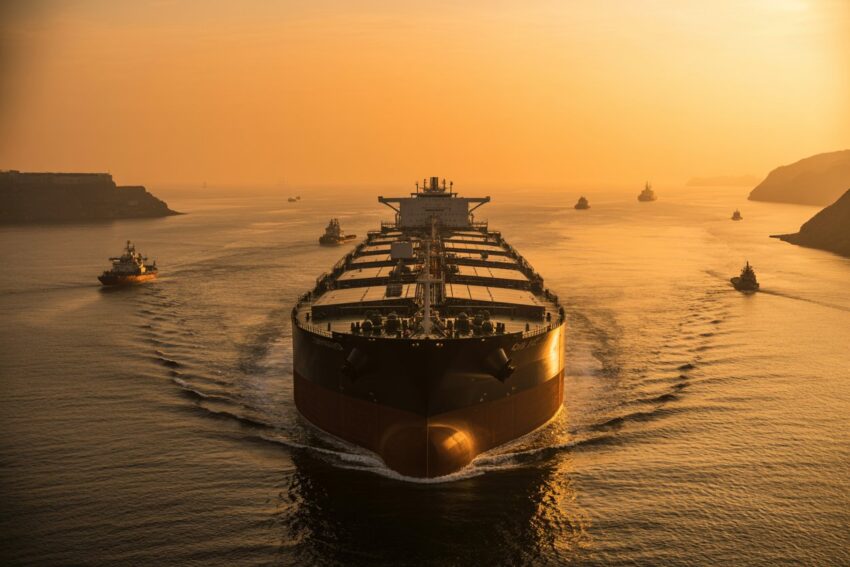
Image generated with Ai
UK joins Germany, France, China, Japan, South Korea, Thailand, Italy, Spain, and more nations in facing a significant crisis in European and Asian tourism as crude oil prices surge past hundred dollars per barrel, driven by a severe global oil supply shock linked to disruptions around the Strait of Hormuz and escalating geopolitical tensions. This surge in crude oil prices is sharply increasing aviation fuel costs, pushing airfares higher, straining airline margins, and raising operational expenses across hotels and transport networks throughout Europe and Asia. As a result, both inbound and outbound travel demand are beginning to weaken, particularly in price-sensitive markets, while households and businesses face rising inflation that reduces discretionary spending on tourism. Countries heavily dependent on imported energy are experiencing the most intense pressure, with currency depreciation, widening current account deficits, and policy constraints limiting their ability to cushion the impact. Even relatively resilient economies are seeing moderated growth and cost pass-through effects that reshape travel patterns. This combination of soaring fuel prices, constrained supply, and economic pressure is creating a broad-based tourism slowdown, signalling a structural shift in global travel dynamics rather than a temporary disruption.
Oil Price Outlook: Elevated Volatility with Extreme Upside Risk
Crude oil prices have surged past $100 per barrel, with Brent trading around $110–114, driven by a sharp war-risk premium as Iran continues striking major oil refineries and constraining flows through the Strait of Hormuz. With nearly 20% of global oil trade at risk and supply disruptions estimated at up to 8–10 million barrels per day, the market faces its most severe shock in decades. In the near term, prices are expected to remain highly volatile within the $100–130 range, while prolonged disruption scenarios could push crude toward $150–200. However, emergency stock releases and potential demand softening may cap sustained spikes, with broader forecasts still indicating a gradual normalisation toward $60–80 by late 2026 if supply routes stabilise.
Scenario TypePrice Range ($/barrel)Key DriversLikelihoodCurrent Market Level100–114War risk premium, refinery strikes, Hormuz disruptionHighBase Case (3–6 months)100–130Ongoing supply constraints, partial rerouting, inventory drawdownsHighExtreme Upside Scenario150–200Prolonged Hormuz closure, major Gulf exports offline, storage exhaustionLow–MediumStabilisation Scenario80–100Emergency stock releases, demand softening, partial supply recoveryMediumMedium-Term Normalisation60–80Full reopening of trade routes, OPEC+ supply return, market rebalancingMedium–HighUnited Kingdom — Tourism at a Tipping Point as Energy Shock Triggers Economic Strain
Image generated with Ai
The United Kingdom is set to face a significant turnaround in travel and tourism as the global fuel crisis intensifies pressure on an already fragile economy. With heavy dependence on imported energy and gas prices surging over 60% since the Iran conflict began, the cost of aviation fuel, transport, and hospitality operations is rising sharply. GDP growth forecasts for 2026 have already been downgraded to around 1.0–1.1%, with credible downside risks if oil prices remain elevated, while inflation could climb toward 4–5% in a prolonged disruption scenario. If Brent reaches $140 per barrel and sustains, economists warn the UK could slip into recession—directly impacting travel demand. Higher household energy bills, expected to rise at least 10% from July, will reduce disposable income, weakening domestic tourism and outbound travel. At the same time, rising interest rates or delayed cuts from the Bank of England increase borrowing costs for airlines, hotels, and consumers alike. The pound’s weakness further raises the cost of international travel for UK residents, while inbound tourism may remain mixed due to higher domestic pricing. Although government support measures may emerge, limited fiscal flexibility constrains large-scale intervention. As a result, the UK tourism sector is entering a high-risk phase marked by rising costs, softer demand, and heightened sensitivity to prolonged energy volatility.
Germany — Slower Recovery Alters Tourism Trajectory
Image generated with Ai
Germany’s tourism sector is entering a phase of moderated recovery as energy costs weigh on economic growth and consumer spending. GDP growth is projected at around 0.8% in 2026, with potential downside to 0.6% if oil and gas prices remain elevated. Inflation is expected to peak just below 3%, increasing the cost of travel and hospitality services. Higher fuel prices directly impact aviation and freight, raising travel costs for both inbound and outbound tourism. However, strong government spending on infrastructure and climate initiatives provides partial support, preventing a sharper downturn. Domestic tourism may remain relatively stable, but outbound travel could weaken as households face higher living costs. Germany’s tourism sector is not collapsing but is clearly slowing, with growth becoming more dependent on economic stabilisation and energy price trends. The country’s position reflects a broader European pattern of resilience under pressure rather than outright contraction.
China — Controlled Stability Masks Emerging Tourism Risks
Image generated with Ai
China’s travel and tourism sector appears partially insulated in the short term, but underlying risks are building as energy-linked cost pressures accumulate. With 40–50% of oil imports transiting Hormuz and a heavy reliance on Iranian crude flows, prolonged disruption could significantly impact aviation fuel availability and pricing. A 25% increase in oil prices is expected to shave 0.5 percentage points off GDP growth, placing downward pressure on outbound tourism demand. While Beijing has raised domestic fuel price ceilings by around 8% and maintains LNG reserves of 7.6 million tons, these measures only delay cost transmission rather than eliminate it. The re-emergence of cost-push inflation—after years of deflation—could increase operational costs for airlines and hospitality providers, particularly as 25% of manufacturers already operate at a loss. However, China’s diplomatic leverage, including yuan-based oil trade arrangements, provides a buffer that supports continued connectivity. In tourism terms, domestic travel is likely to remain stable due to state support, but outbound tourism could soften if economic uncertainty persists. If the crisis extends into late 2026, China’s tourism sector could shift from controlled stability to moderated growth, with airlines and hotels absorbing part of the cost shock to maintain competitiveness.
Japan — Extreme Energy Dependence Triggers Tourism Cost Surge
Image generated with Ai
Japan faces one of the most dramatic tourism turnarounds among developed economies due to its near-total dependence on Middle Eastern energy. With approximately 90% of crude imports routed through the Strait of Hormuz, any sustained disruption directly translates into higher aviation fuel costs and surging electricity prices. This dual pressure significantly increases airline operating expenses and hotel energy bills, leading to rising airfares and accommodation costs. The weakening yen compounds the problem by amplifying imported inflation, making both outbound travel more expensive for Japanese residents and inbound travel potentially less attractive due to higher domestic costs. Japan lacks meaningful domestic energy alternatives in the short term, limiting its ability to cushion the shock. LNG price spikes are already impacting power generation and industrial output, which in turn reduces disposable income and discretionary spending on travel. While inbound tourism may hold due to global demand for Japan as a destination, domestic travel could weaken as consumers prioritise essential spending. The overall outlook suggests a contraction in tourism growth momentum, with Japan’s sector becoming increasingly sensitive to prolonged energy volatility and currency depreciation.
Advertisement
Advertisement
South Korea — Aggressive Intervention Shields but Cannot Eliminate Pressure
Image generated with Ai
South Korea is undergoing a significant tourism shift, balancing strong government intervention with persistent structural exposure to global energy markets. With around 70% of crude sourced from the Middle East and over 95% routed through Hormuz, the country is highly vulnerable to supply disruptions. The government’s $68 billion market-stabilisation programme and temporary fuel price caps are helping contain immediate shocks, preventing abrupt spikes in airfares and travel costs. However, a weaker Korean won is amplifying imported inflation, gradually increasing operational costs for airlines and hospitality providers. A $15 per barrel rise in oil could widen the current account deficit by 0.7% of GDP, indicating broader economic strain that may dampen outbound tourism demand. While domestic travel remains supported by policy measures, international travel could become more expensive and less frequent. Airlines may maintain connectivity through subsidies and cost absorption, but profitability pressures are likely to rise. South Korea’s tourism sector is therefore entering a phase of managed stability—where government intervention prevents collapse, but sustained high oil prices could still lead to gradual demand softening and structural cost adjustments.
Thailand — Southeast Asia’s Weakest Link Faces Tourism Strain
Image generated with Ai
Thailand is emerging as the most vulnerable tourism market in Southeast Asia, with net oil imports accounting for 4.7% of GDP and limited policy buffers to absorb prolonged price shocks. A 10% increase in oil prices could worsen the current account by 0.5 percentage points, directly impacting currency stability and travel affordability. Rising fuel costs are already prompting government measures such as remote work mandates to reduce energy consumption, signalling the severity of the crisis. For tourism, higher aviation fuel costs translate into increased airfare, potentially reducing inbound travel demand—particularly from price-sensitive markets. Hotels and resorts, heavily reliant on energy for operations, may face rising costs that lead to higher room rates or reduced margins. While Thailand remains a globally popular destination, sustained cost inflation could erode its competitive pricing advantage. Domestic tourism may partially offset the decline, but overall sector growth is expected to slow. If oil prices remain elevated, Thailand’s tourism industry could shift from rapid recovery to a more fragile, cost-constrained phase, with demand increasingly dependent on external economic conditions and currency stability.
Advertisement
Advertisement
France — Regulated Energy Shields Tourism from Severe Shock
Image generated with Ai
France is set to experience a relatively stable but still shifting tourism landscape, emerging as the best-buffered among Europe’s largest economies. Its government-regulated electricity tariffs continue to shield households and businesses from extreme energy price volatility, keeping inflation comparatively low at an estimated 2.2–2.5% in 2026. This stability supports consumer spending and prevents a sharp drop in domestic travel demand, while also helping hotels and airlines manage operating costs more effectively than peers like Germany or Italy. However, GDP growth has been revised down to around 0.9–1.1%, indicating slower economic momentum that could moderate outbound tourism. Limited fiscal space, with deficits near 6% of GDP, restricts the government’s ability to introduce new large-scale subsidies, meaning some cost pressures will still filter through. For tourism, this translates into controlled price increases rather than extreme spikes, maintaining France’s competitiveness as a destination. Inbound tourism is likely to remain resilient due to price stability relative to other European markets, while domestic travel continues to benefit from protected energy costs. Overall, France’s tourism sector is not immune but is positioned for a softer adjustment rather than a disruptive downturn.
Italy — Debt Pressure and Energy Dependence Threaten Tourism Stability
Image generated with Ai
Italy’s tourism sector is entering a high-risk phase as structural vulnerabilities collide with the global energy shock. Heavy dependence on imported gas—combined with a debt-to-GDP ratio exceeding 135%—limits the country’s ability to cushion rising fuel costs. Inflation is now tracking toward 2.5–3%, while GDP growth is expected to lag the eurozone average at around or below 1.0%. These dynamics directly impact tourism, as higher energy costs increase airfare, transport, and hotel operating expenses, leading to rising prices for travellers. At the same time, the European Central Bank’s potential rate hikes pose a significant threat, with every 1% increase adding €15–20 billion in annual debt servicing costs, further constraining fiscal support. This creates a stagflation risk scenario where economic growth slows while costs rise—reducing both domestic and inbound tourism demand. While Italy remains a globally attractive destination, sustained cost inflation could weaken its competitive pricing advantage. The sector is therefore likely to face a challenging period marked by reduced margins, softer demand, and heightened sensitivity to financial market pressures.
Spain — Tourism Resilience Anchored by Energy Diversification
Image generated with Ai
Spain stands out as one of the more resilient tourism markets in Europe, supported by diversified energy sourcing and policy mechanisms that limit exposure to global shocks. With GDP growth still projected at a relatively strong 2.0–2.2% in 2026 and inflation expected in the 2.3–2.7% range, Spain maintains a healthier macroeconomic backdrop than many peers. The “Iberian Exception” gas pricing mechanism continues to cap energy costs for power generation, helping contain operational expenses for hotels and tourism infrastructure. Additionally, Spain’s reliance on LNG from the United States and Algeria, combined with a strong renewable energy base, reduces its vulnerability to disruptions in the Strait of Hormuz. Tourism, which accounts for around 12% of GDP, faces higher jet fuel costs, but strong post-pandemic demand is offsetting these pressures. While airfare increases may slightly dampen inbound flows, Spain’s competitive pricing and stable energy costs help sustain its appeal. The sector is expected to continue growing, albeit at a moderated pace, positioning Spain as one of the least disrupted tourism economies in Europe amid the crisis.
Aviation Sector Under Pressure as Fuel Costs Reshape Global Connectivity
The aviation sector is emerging as the most immediate pressure point in this crisis, as surging crude oil prices past $100 per barrel sharply increase jet fuel costs—typically accounting for 25–35% of airline operating expenses. Carriers across Europe and Asia are being forced to recalibrate routes, reduce frequencies, and introduce fuel surcharges to protect margins. Long-haul routes are particularly vulnerable, with airlines prioritising profitability over network expansion, leading to reduced connectivity between key tourism markets. Budget airlines, which rely on thin margins and high volume, face an even greater squeeze, potentially passing on costs directly to consumers through higher ticket prices. At the same time, aircraft leasing, maintenance, and insurance costs are rising in tandem with inflation, compounding financial strain. While some airlines are hedging fuel costs or accelerating Sustainable Aviation Fuel (SAF) adoption, these measures offer only partial relief in the short term. As a result, the aviation industry is entering a phase of constrained capacity and elevated pricing, fundamentally reshaping global travel flows and limiting affordability for millions of passengers.
UK joins Germany, France, China, Japan, South Korea, Thailand, Italy, Spain, and more nations in facing a significant crisis in European and Asian tourism as crude oil prices surge past hundred dollars per barrel due to supply shocks, rising costs, and weaker travel demand.
Conclusion
UK has joins Germany, France, China, Japan, South Korea, Thailand, Italy, Spain, and more nations in facing a significant crisis in European and Asian tourism as crude oil prices surge past hundred dollars per barrel, because ongoing supply disruptions, elevated fuel costs, and rising inflation are sharply increasing airfares, pushing up hotel and transport expenses, and weakening travel demand across both regions, signalling a deeper structural shift in global tourism rather than a temporary disruption.
