
(Credits: Far Out / Album Cover)
Sun 22 March 2026 1:00, UK
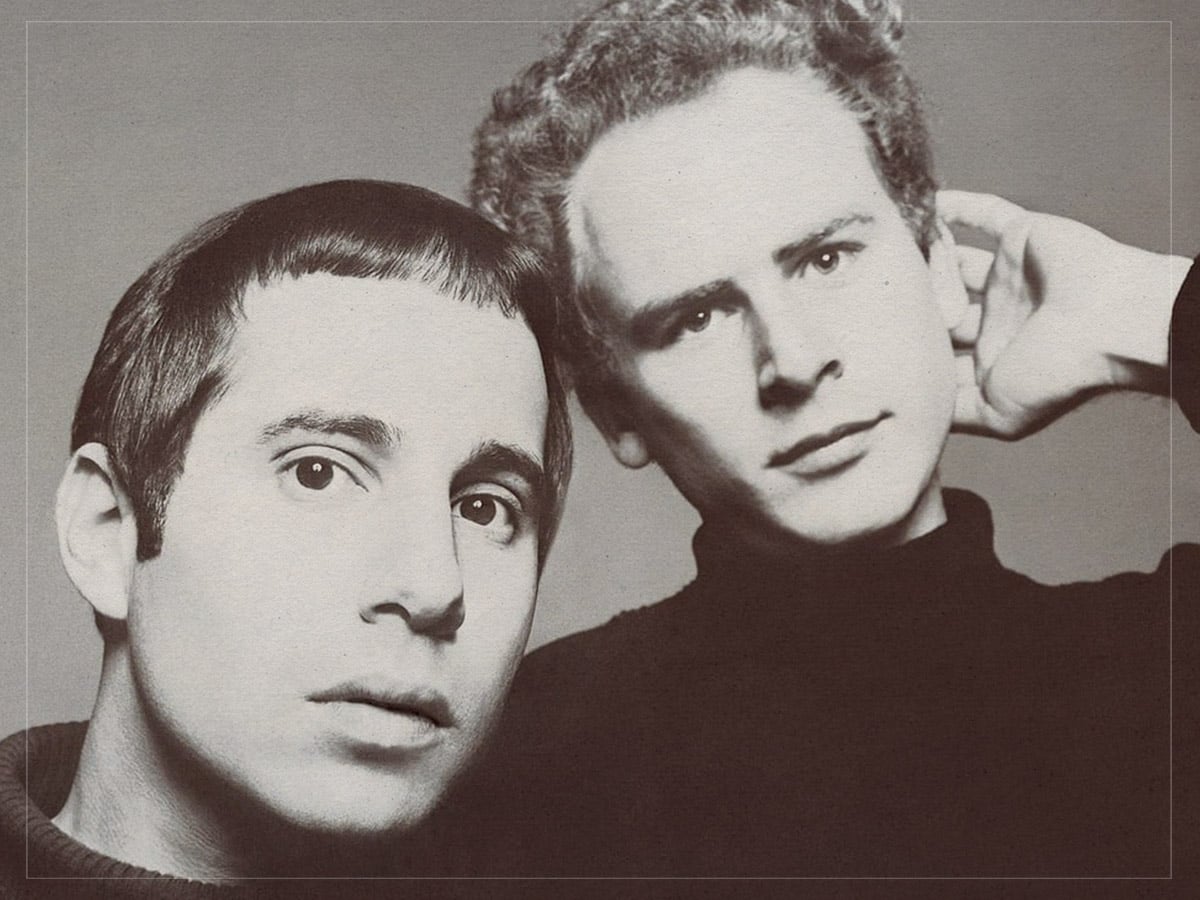
There was always a certain beauty to how Paul Simon complemented Art Garfunkel whenever they sang together.
They weren’t the least bit threatening compared to the rest of the rock and roll world whenever they played their tunes, but it was much easier for people to hone in on the lyrics of many of their tunes whenever they started playing, whether that was their protest interpretation of ‘Scarborough Fair’ or talking about the greater state of the world on ‘The Sound of Silence’. But when Simon first started to branch out on his own, he wanted to be a much different artist than the one he had been stuck with for a few years.
Then again, it’s not like the duo became overt enemies once they left each other. It was clear from Bridge Over Troubled Water that things just weren’t working anymore, and even if they were making tracks on their own for the most part during those recording sessions, they could still complement each other perfectly. But when looking at how both of their careers shaped up, you could see how distant they had been growing.
In fact, I know this sounds crazy, but it’s not all that different from how Outkast ended up falling apart. No, hear me out. Big Boi and Andre 3000 were on two completely different creative pages, and while they were each great in their own field, it was better for them to break apart and start working on their own things. The same could be said for Simon and Garfunkel, but there’s no denying that Simon was going to be pushing things a little bit further.
He had been a songwriting pro ever since the band’s third album, and even when he had started working on new ideas for Bridge Over Troubled Water like ‘Cecilia’, he was testing the waters for what his first solo album would be. Garfunkel did have the perfect harmony to Simon’s voice on a lot of his songs, but whereas his solo career consisted of ballads like ‘All I Know’ and ‘Bright Eyes’, Simon was more concerned with dismantling the rhythm of all of his songs.
After all, it’s hard to really have a good sense of rhythm with only two people singing and an acoustic guitar, so when Simon had a full band behind him, he was going to try everything he could. But even before he landed on the exotic rhythms that he started with on Graceland, he knew that a song like ‘Mother and Child Reunion’ would have never worked if he had decided to bring it into a Simon and Garfunkel.
Both of them were able to be diplomatic about their work, but Simon thought his debut solo single would have been far too weird for the duo to put together, saying, “There was stuff I wanted to do anyway that Artie wouldn’t have done. He wouldn’t have gone to Jamaica to do ‘Mother and Child Reunion’. I know that he wouldn’t have thought it was interesting. Artie and I were over by January 1970. We were really over before the ’70s began.” But it was probably better for them to realise their differences before they moved too far along in the creative process.
The muse doesn’t stop for a songwriter like Simon, and even if he were to have tried to appease Garfunkel, not getting some of his solo efforts would have been the real tragedy. Garfunkel might not have been all that interested in making world music, but being able to introduce new sounds to the pop charts was all that Simon could have hoped for when he started putting together the beginnings of songs like ‘Graceland’ and ‘You Can Call Me Al’.
So while his musical partner may have been a bit hesitant to work on a handful of his tunes, it wasn’t about trying to make songs that would make each other happy. He wanted to think outside the box, and that meant working with music that he didn’t fully understand when he first started one of his tunes.
