

June and Arnold Powell opened the first Springdene care home for the elderly in north London in 1969. Almost 60 years later, their grandson Theodore Powell is the chief executive of the company — the third generation to be running the family business.
“My grandfather was a GP and he saw the care homes at the time, which he said were Dickensian, and he wanted to offer something better,” Powell, 28, said.
Springdene now has three homes in Hampstead, Muswell Hill and Enfield, with a total of 161 rooms. Generations of the same families have lived in its homes, which have survived such challenges as the “winter of discontent” in the late Seventies, the 2008 financial crash, Brexit and the coronavirus pandemic.
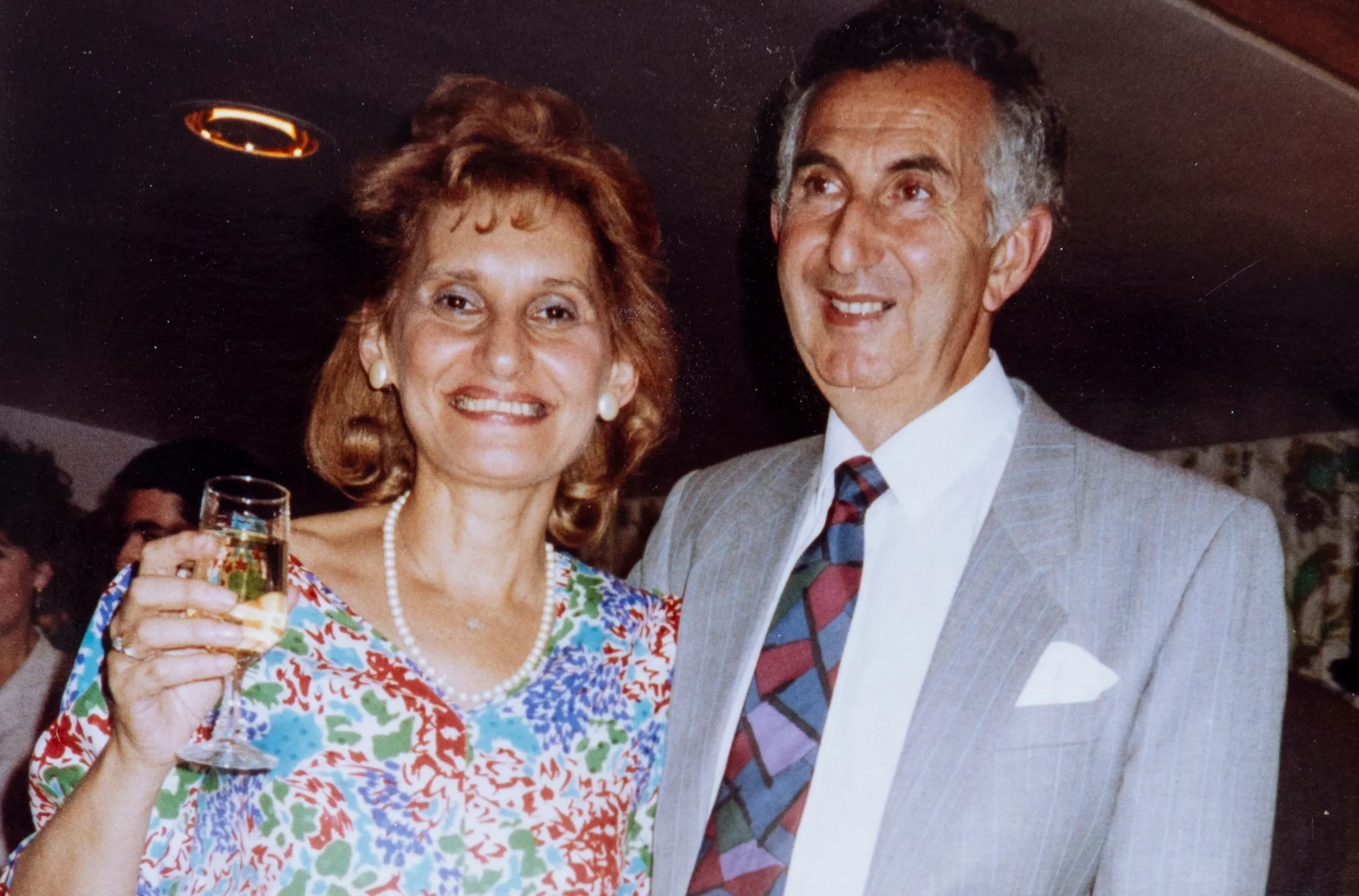 June and Arnold Powell
But its future, as with so many independent care homes, looks uncertain. This year care home fees rose 10 per cent on average, according to the comparison site carehome.co.uk. Running costs have risen across the board, but the real sting has come from higher employment costs.
Last year employer national insurance contributions went up from 13.8 per cent to 15 per cent, and the threshold at which they start making contributions fell from £9,100 to £5,000. Combined with an increase to the minimum wage, it cost independent care firms an additional £2.8 billion last year (£940 million in additional national insurance contributions and £1.85 billion in extra wage costs) according to the Nuffield Trust, a healthcare think tank.
Martin Green, CEO of the charity Care England, said: “In the last 18 months we have seen significant cost increases, many of which have been deliberately placed on the sector by government actions.”
Care homes are passing some of the higher costs on to residents in an attempt to balance the books. Springdene will increase its weekly fees from April, from £1,505 a week to £1,590. This fee includes meals, laundry, 24-hour care and activities, but the rate increases if a resident needs a higher level of care.
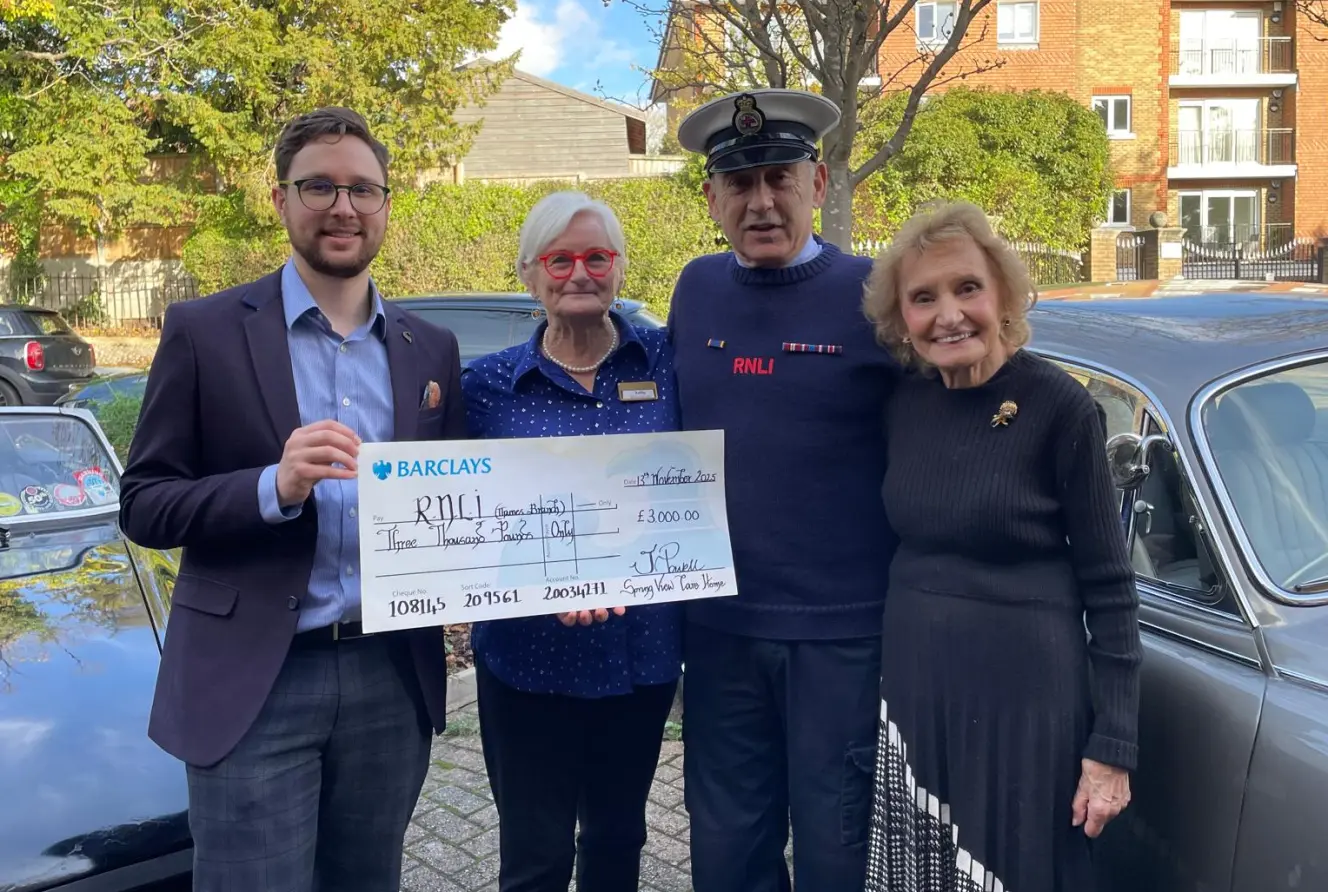 Theodore’s grandmother June, right, is still on the company’s boardSpringdene Nursing & Care Homes
“It feels more difficult than ever and it’s not clear if there is a future for our kind of homes,” Powell said. His grandfather died in 2024, but his grandmother, whom he describes as a “total warrior”, is still on the company’s board. Powell’s mother is head of HR, his father is the medical director and his aunt is in charge of catering.
In February last year the House of Lords added an amendment to the National Insurance Contributions Bill to exempt care homes from the increase. It voted overwhelmingly in favour of protecting the sector, but MPs overturned the amendment the following month.
Powell employs 150 people and his costs went up £250,000 due to the higher national insurance contributions. “It’s an additional cost purely smacked on the bottom line. Many homes would’ve been sunk by that,” he said.
“We try really hard to pay our staff as well as we possibly can, but giving them more of a raise is becoming a real stretch. I think these policies have the right intention but they’re misplaced; it’s not increasing growth because all employers are wary of hiring more people or committing to increasing wages.”
Springdene pays the London living wage of £14.80 an hour, which is about £28,800 a year based on a 37.5-hour week. This has increased about 7 per cent over the past two years, which Powell has offset with a rise of 5.5 per cent in fees for self-funded residents.
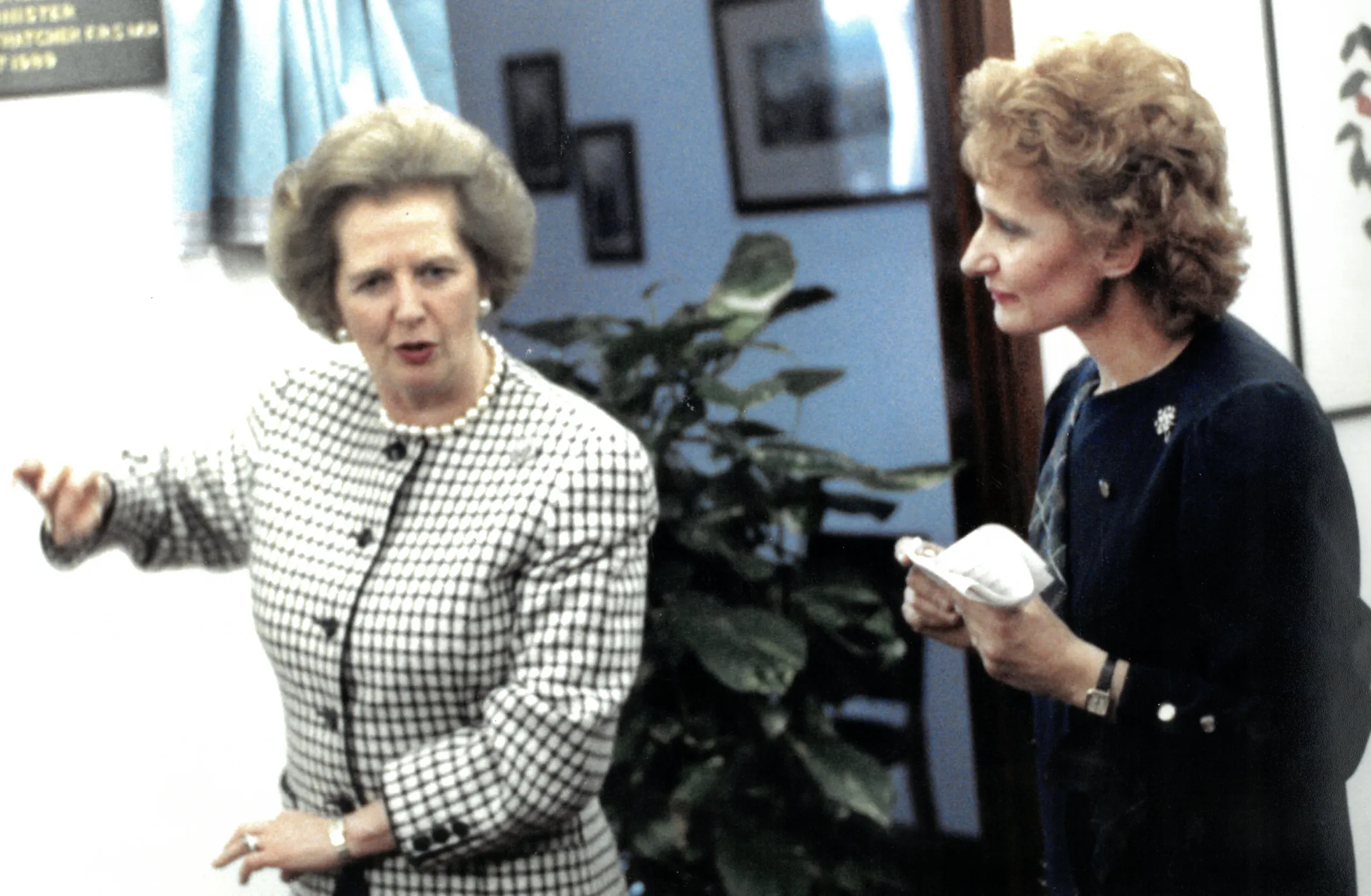 Margaret Thatcher and June at the opening of the company’s Springview home in Enfield in 1986Springdene Nursing & Care Homes
But Springdene is making a loss on some residents whose care is funded by the local authority. While rates for private residents start at £1,590 a week, councils pay between £800 and £1,000 a week, regardless of the level of care required.
The council uses its purchasing power to negotiate lower prices than those paying for their own care, and the amount paid often is not enough to cover the actual cost to the care home. “Local authorities don’t recognise that different residents have different needs. Whether or not someone is in a wheelchair, needing hoisting, needing help with feeding, dementia, they will give us the same amount of money as for someone who is totally fit and well,” Powell said.
“Ten years ago our price difference between self-funding and local authority funding was about 10 to 20 per cent, but the disparity now is huge because our costs keep increasing but the local authorities pay the same as they did a decade ago.”
In most cases, only those with assets worth less than £23,250 qualify for state-funded care in a residential or nursing home, and this includes the value of their main property. Some of Springdene’s residents were self-funded before they ran out of money, but an application to get funding from the local authority can take up to a year. Powell said during this time Springdene continued to support them without payment.
He said: “I’m entirely committed to this business and the ethos my grandparents created. There’s a great need and with the right support there could be a future, but there needs to be a credible plan for how the sector, and people’s care, is going to be funded.”
‘I’ve seen four homes close in the past two years’
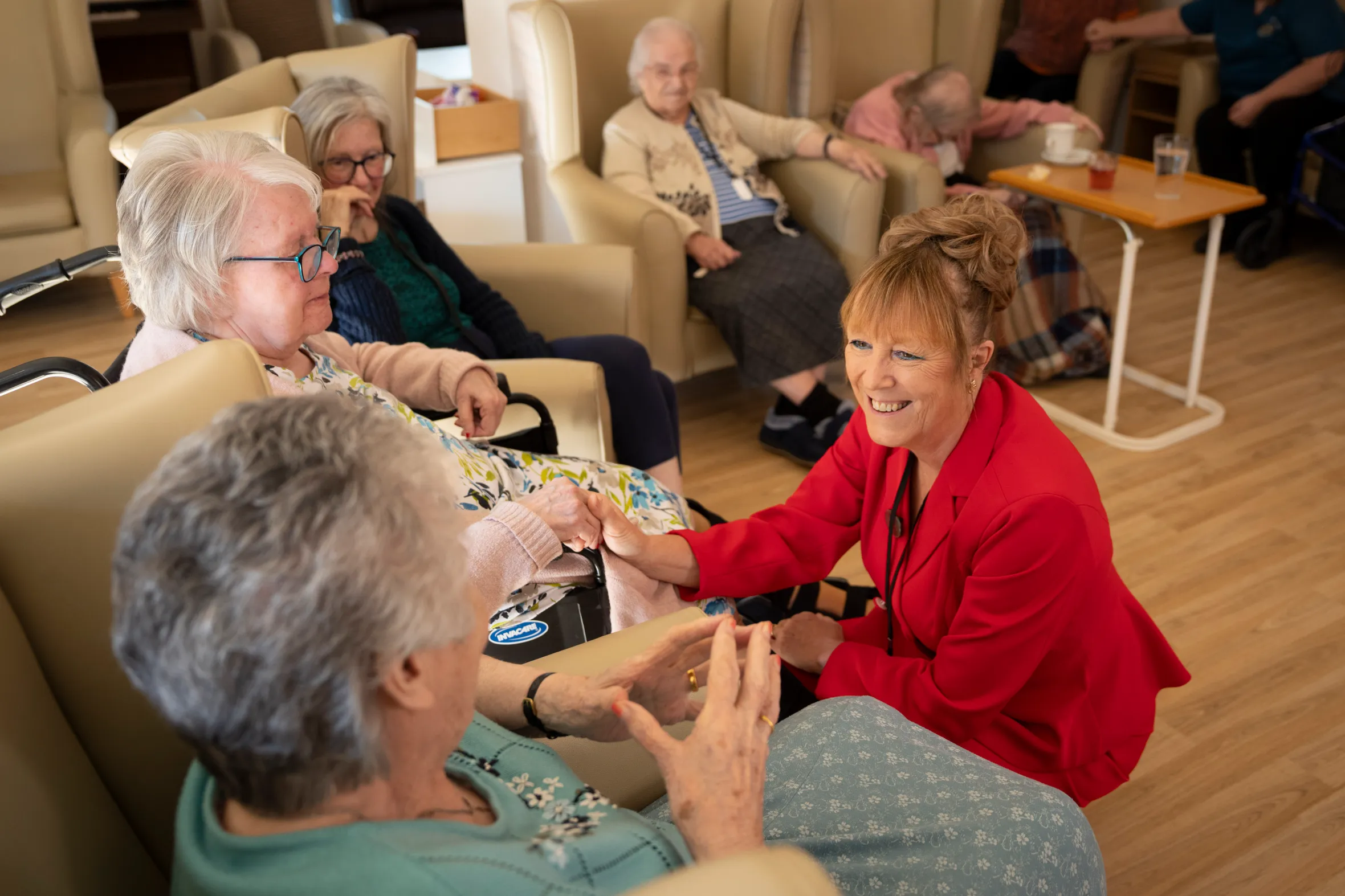 Kim Northwood with residents at the Gables care home in WorcestershireANDREW FOX for the Sunday Times
Kim Northwood’s daughter Lindsey Clark, a GP practice manager, bought The Gables care home in Worcestershire with two of the doctors from her surgery in 2019. Northwood manages the 30-bed home.
In February last year she joined some 3,000 workers from the care sector to demonstrate in Westminster against the rise in national insurance contributions, which cost The Gables £60,000 last year. “We won’t close, but the way things are going, many others will,” Northwood said. “I’ve seen four independent care homes in our area close in the past two years.”
The Gables is breaking even, but its wage bill has gone up 9 per cent over the past three years, while its income is up only 1 per cent. The home charges self-funded residents the same as the local authority pays, which is £900 a week, going up to £950 a week in April.
The average in the West Midlands is £1,173 a week, but Northwood is determined to keep the cost affordable. She said: “Nobody seems to care, politicians are never in this situation so they don’t know. We shouldn’t have to be shouldering this.”
“I’ve been in this sector since 1984. I’ve seen report after report telling us exactly what’s wrong. The problem isn’t a lack of understanding it’s a lack of action.”
How to pay for rising care costs
It is generally advised to budget about £100,000 a year for care costs in the last three years of your life, but a middle-aged person today could face a bill of nearly £1 million by the time they need care. Early financial planning is essential to avoid care costs rapidly depleting your estate.
Those who pay for their own care are often effectively subsidising those who are covered by the local authority. A self-funded resident pays an average of £370 more a week than a council-funded resident.
As it is hard to know how many years of care you may need, an immediate needs annuity can provide peace of mind. This is an insurance policy where an upfront lump sum secures a guaranteed monthly payment for care fees for the rest of your life. The payments are made direct to the care home, so are not liable to income tax, and you can opt for a policy that increases each year as the fees rise.
Money newsletter
The latest personal finance and investment news from our money team.
Sign up with one click
However, the upfront cost is high — typically in the tens of thousands of pounds — and you may get back less than you pay in if your stay is short.
The pension power up newsletter
Sign up to our newsletter series to supercharge your retirement.
Sign up with one click
If someone has serious health complications and needs care, they could be entitled to NHS continuing healthcare. It covers 100 per cent of costs and, unlike funding for standard social care, is not means-tested, so assets are not taken into account when deciding if someone qualifies. But the system is notoriously difficult to navigate and rejection is high, with only about 20 per cent of applicants successful in England.
Many people fail to make arrangements because they cannot imagine themselves needing support. In reality, the move into care is often triggered by sudden events like a fall, a stroke, or a dementia diagnosis rather than a gradual decline. Take a “mid-retirement MoT” to assess how your pension and property could be used to fund care in case a crisis hits.