
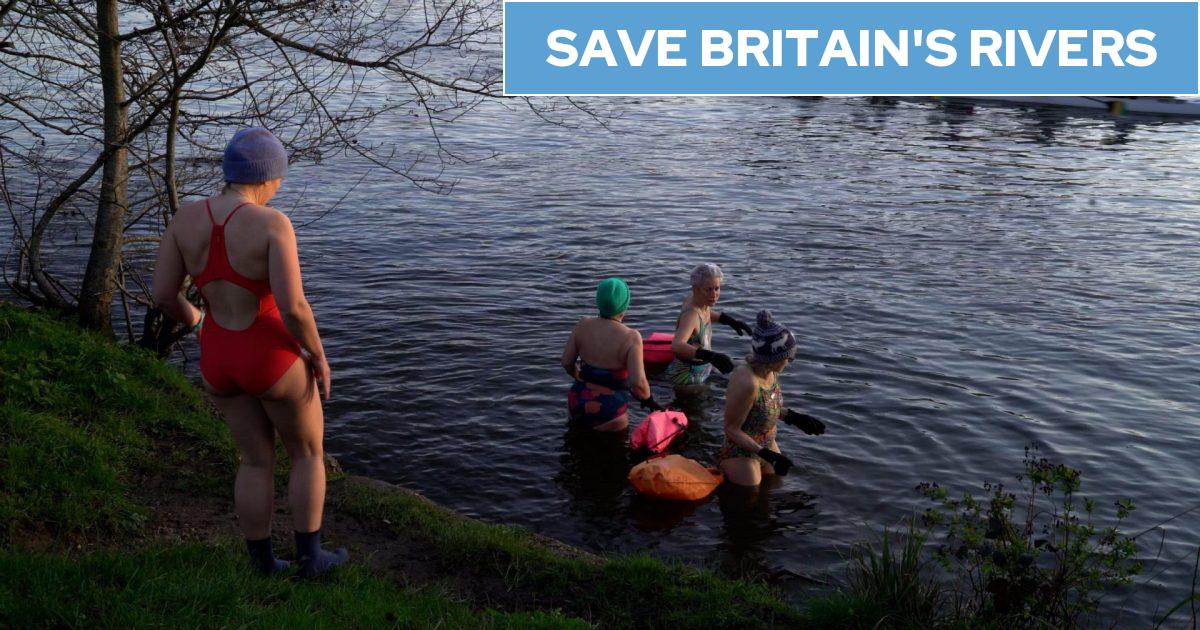
The first official bathing spot on the River Thames in London has dangerous levels of toxic ‘forever chemicals’ and campaigners warn new plans by Thames Water to discharge treated sewage at the site will make the problem worse.
Last month, the Government announced plans to create an official bathing spot on the Thames at Ham in south west London.
People have been swimming at the site for years, but the official designation means the Environment Agency will regularly test at the site and has a duty to improve water quality.
New FeatureIn ShortQuick Stories. Same trusted journalism.
However, campaigners are warning that the water quality at the site is under threat due to plans from Thames Water to abstract river water and replace it with treated sewage during times of drought.
“It’s a very dangerous precedent because if it could happen here and that scheme is allowed to be built it could happen anywhere on any river,” said Ian McNuff, founder of the Save Our Lands and River (SOLAR) campaign, which is fighting Thames Water’s proposals.
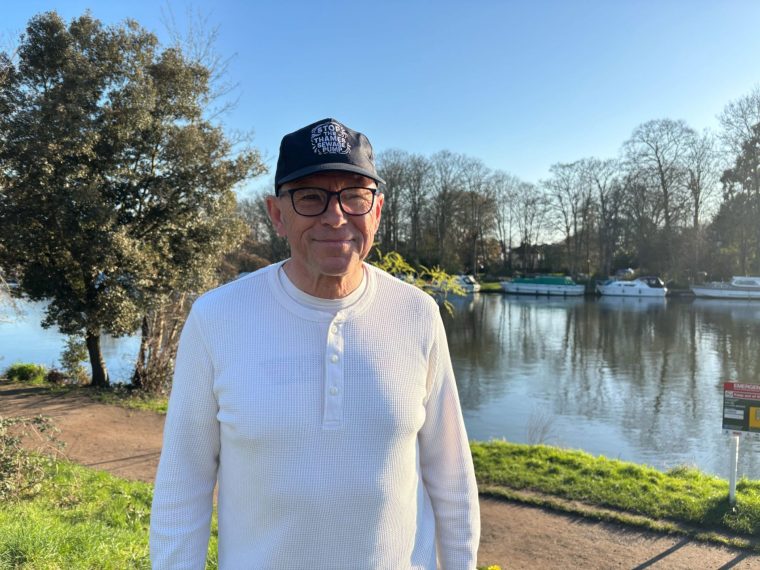 Ian McNuff says Thames Water’s plans set a ‘dangerous precedent’ (Photo: Scarlett Milburn-Smith)
‘Forever chemicals’ found at bathing spot
While Thames Water’s treatment process should remove human waste from the water being discharged into the Thames, it doesn’t remove all of the chemicals that can be toxic to humans and the environment.
There is particular concern over the impact the plans will have on levels of Perfluoroalkyl and Polyfluoroalkyl substances (PFAS) in the river.
PFAS is the name given to a group of chemicals used in everyday products, including clothing, food packaging, non-stick cookware and cleaning sprays.
They’re known as ‘forever chemicals’ as their chemical bonds are so strong it is almost impossible for them to break down.
Concern is growing over their impact these chemicals are having on human health and the environment; studies have linked them to health problems including infertility and cancer when they make their way into the human blood stream.
Since leaving the EU, the UK has been falling behind when it comes to identifying and regulating against PFAS.
Research by the Rivers Trust has previously found levels of PFAS were 11 times higher than safety standards being adopted by the EU at the new bathing spot on the Thames at Ham.
This analysis was based on testing data between 2019 and 2022 and is likely a huge underestimate as the Environment Agency does not regularly test for the full range of PFAS that is regulated by the EU.
Last month the UK Government published its first ever PFAS Strategy, which included plans to expand testing, but the proposals were widely criticised by environmental and health charities for not going far enough.
Campaign groups and water companies have called on the Government to introduce bans on PFAS similar to those being introduced by the EU.
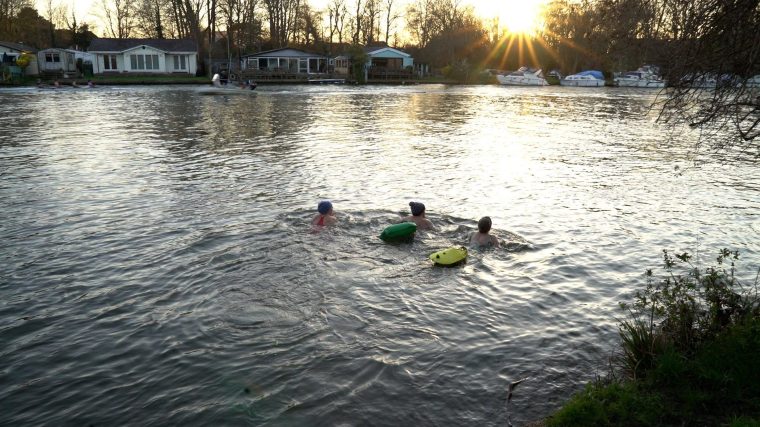 Testing has found levels of PFAS are at least 11 times higher than EU safety standards at the site in Teddington (Photo: Scarlett Milburn-Smith)
How Thames Water’s plans could make things worse
Thames Water is planning a new ‘river abstraction’ scheme at the site of the new bathing spot, which would see it take up 75 million litres of water from the river during periods of dry weather to treat and use as drinking water.
This water will be replaced with treated sewage effluent from a nearby wastewater treatment plant.
The treatment plant is being upgraded to remove a wider range of nutrients from the waste, but this does not include PFAS.
In its planning application for the project, Thames Water acknowledged PFAS were “contaminants of emerging concern” and that “compliance will be very challenging for most of UK new and existing water treatment works” if regulations tighten.
Thames Water said the discharge will happen downstream of the bathing site and is designed so that the water would flow over Teddington Weir and into the tidal Thames.
But locals say people swim along the entire stretch and many are worried about the long-term impact of swimming in polluted water.
“Generally we’re only just learning about these issues and therefore the regulations are starting to tighten against them and it means that anything that now comes near the river has to be cleaned to higher standards to protect health,” McNuff said.
Swimming in PFAS is generally considered lower risk than drinking contaminated water or breathing in polluted air, as the chemicals cannot be absorbed through the skin.
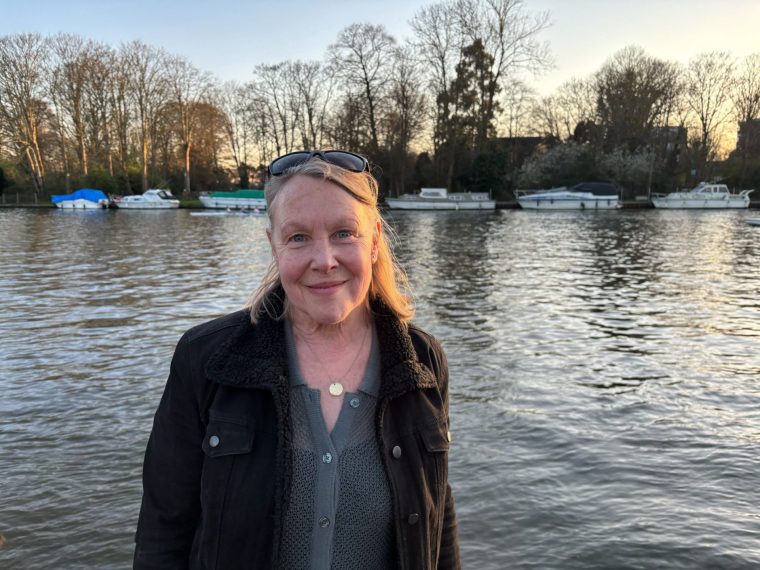 Marlene Lawrence regularly swims in the Thames at Teddington (Photo: Scarlett Milburn-Smith)
However, swimmers are also worried about the impact of PFAS on the wider ecology of the river, as the toxic chemicals are known to kill wildlife.
“The river is teeming with fish and wonderful plants and fauna and chemicals and plastics are not going to be good for these fish that thrive in the river,” said Marlene Lawrence, the founder of local swimming group Teddington Bluetits.
“People come here because they love the fact that it’s such a natural thing to do, to be at eye level with all the wildlife that’s around and the glistening sun on your back. And it’s free and it’s our river, our London river, and we should use it.”
A Thames Water spokesperson said: “Our proposed Teddington Direct River Abstraction project is nationally significant and would keep the taps flowing for millions of Londoners, supplying up to 75 million litres of water each day during times of drought.
“We’d like to reassure river users that the project would not deteriorate water quality and would meet water quality standards set by the Environment Agency.”